Mould in air conditioner units rarely announces itself. It starts as a faint musty smell in one room, usually in the first minute after start-up. Most Gold Coast homeowners assume the filters need a wash. Often they do. But a filter clean only handles the surface you can reach, and mould prefers the parts you cannot see. On a routine two-head service in Burleigh Heads recently, our technician found exactly that split: one unit needed nothing more than its scheduled clean, the other needed a full hydro clean. Here is how to tell which situation you are in.
Table of contents
- A real job: mould in air conditioner heads , two different answers
- Why the lounge unit and not the bedroom?
- Filter clean vs hydro clean: what actually happens
- Five signs of mould in air conditioner units
- Why a musty air conditioner is worth taking seriously
- In commercial buildings, this is a compliance issue
- How often does mould in air conditioner heads need a hydro clean?
- What we do not recommend
- Frequently asked questions
- Book an inspection
A real job: mould in air conditioner heads, two different answers
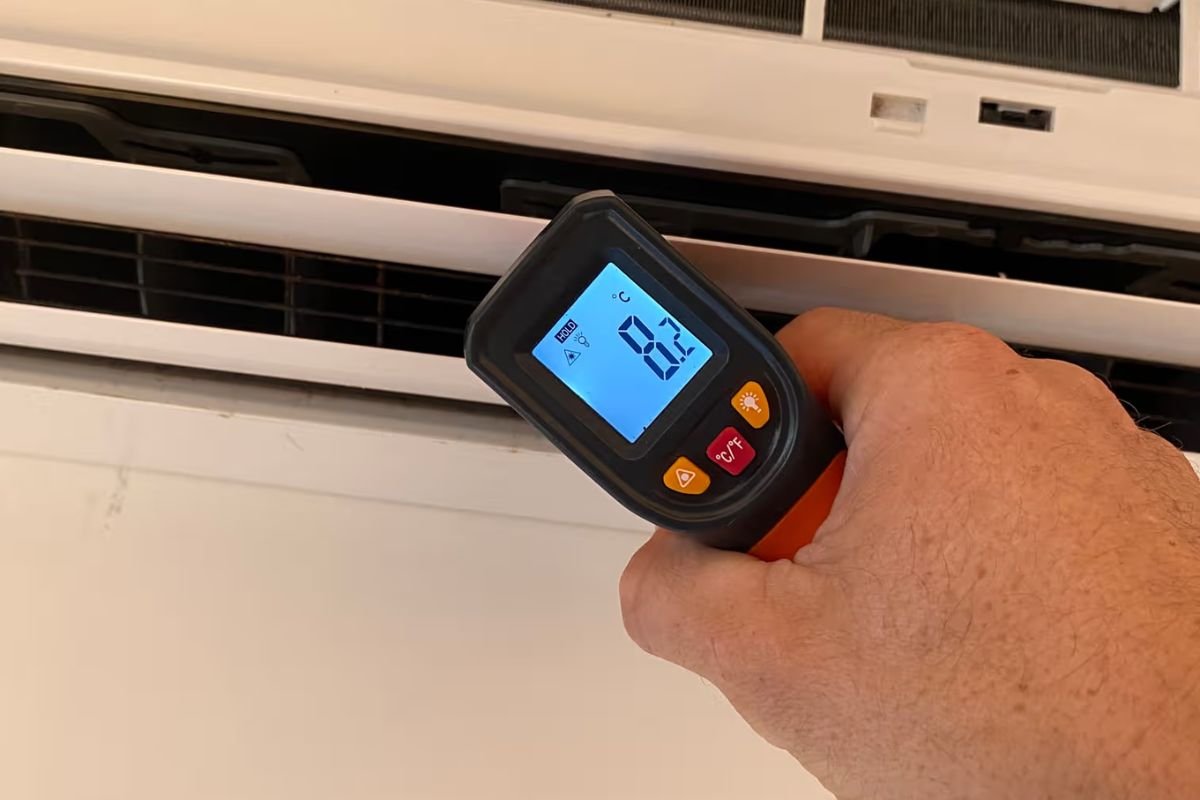
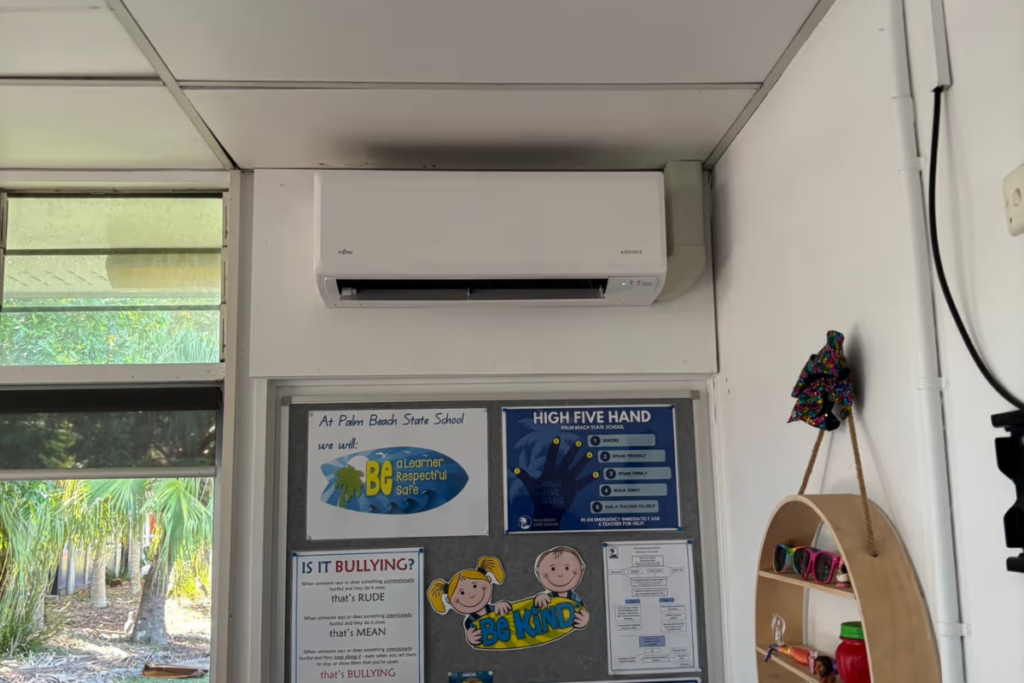
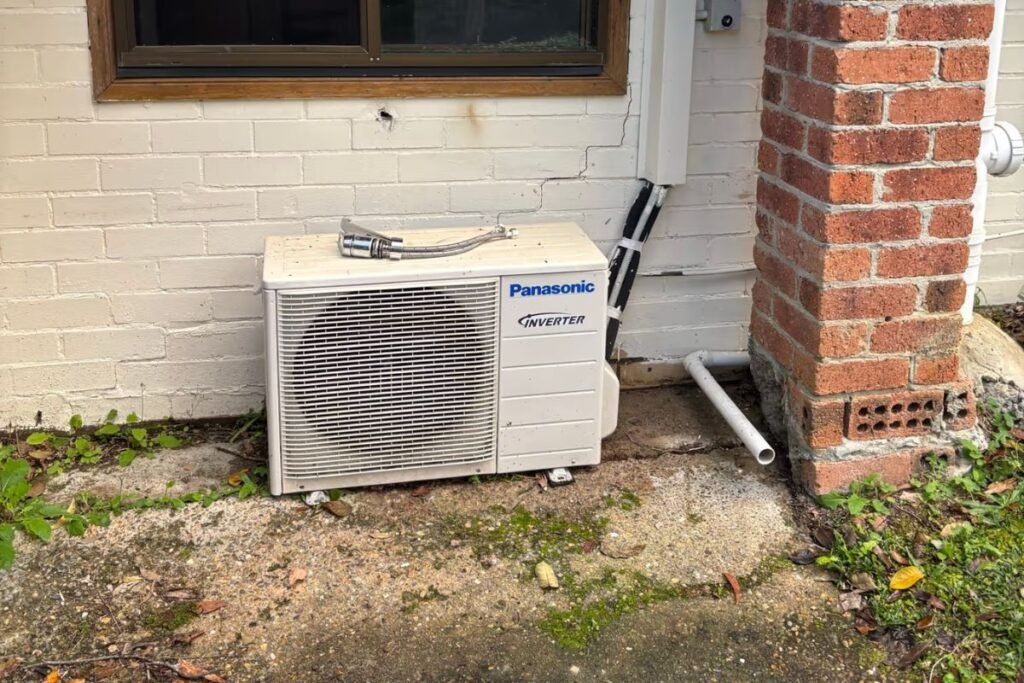
Our Gold Coast air conditioning technician attended a scheduled maintenance visit on a two-head split system. The job covered the standard checklist:
- Clean filters on both indoor units
- Check air-off temperature
- Check the outdoor unit (ODU)
- Check drain flow
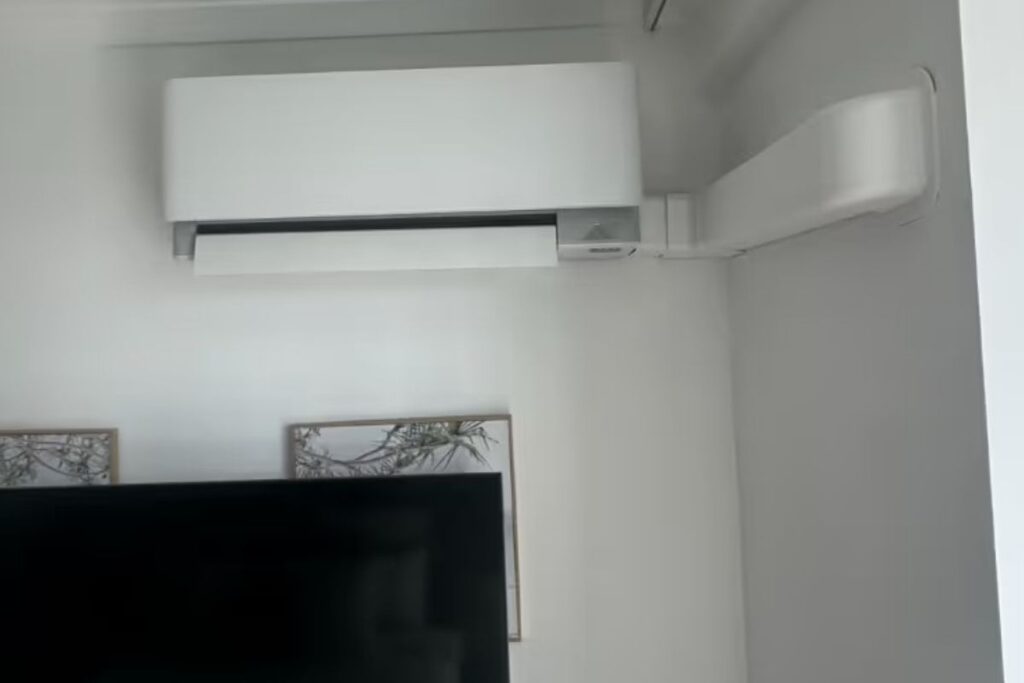
The bedroom unit came back clean. Filters washed, air-off temperature within range, drain flowing freely, nothing further required.
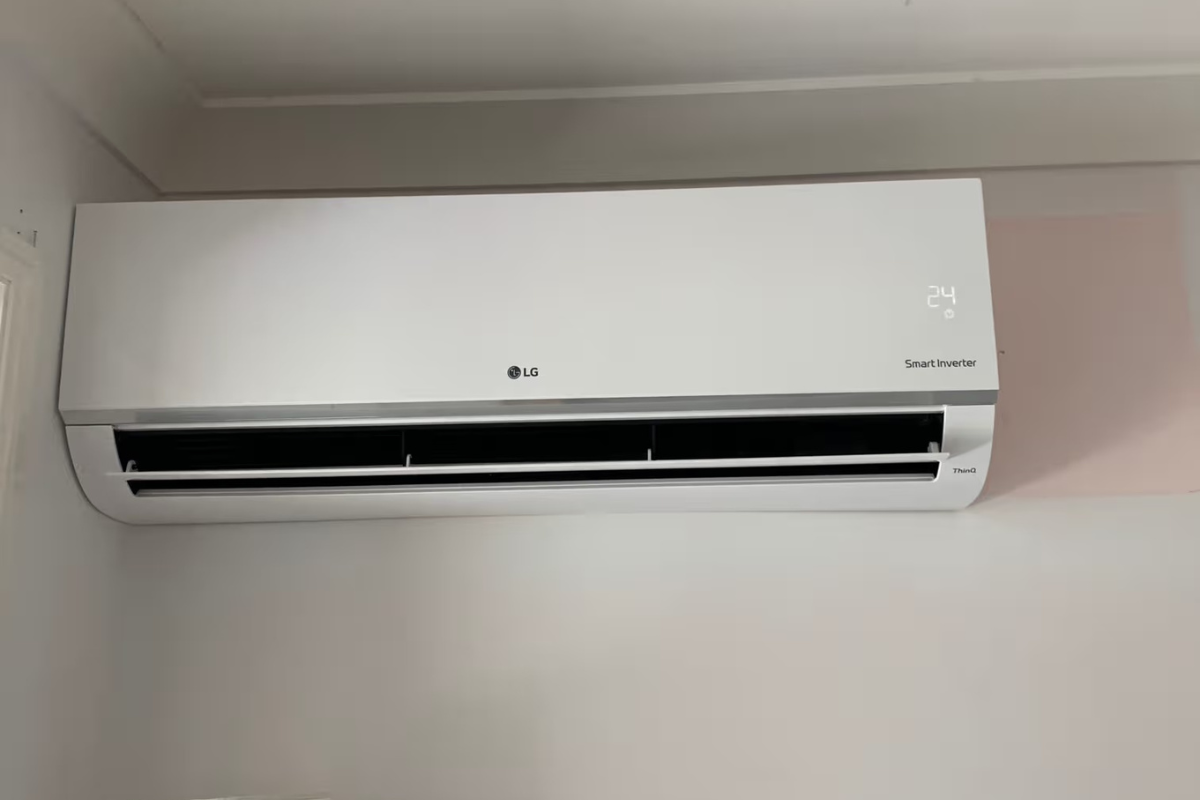
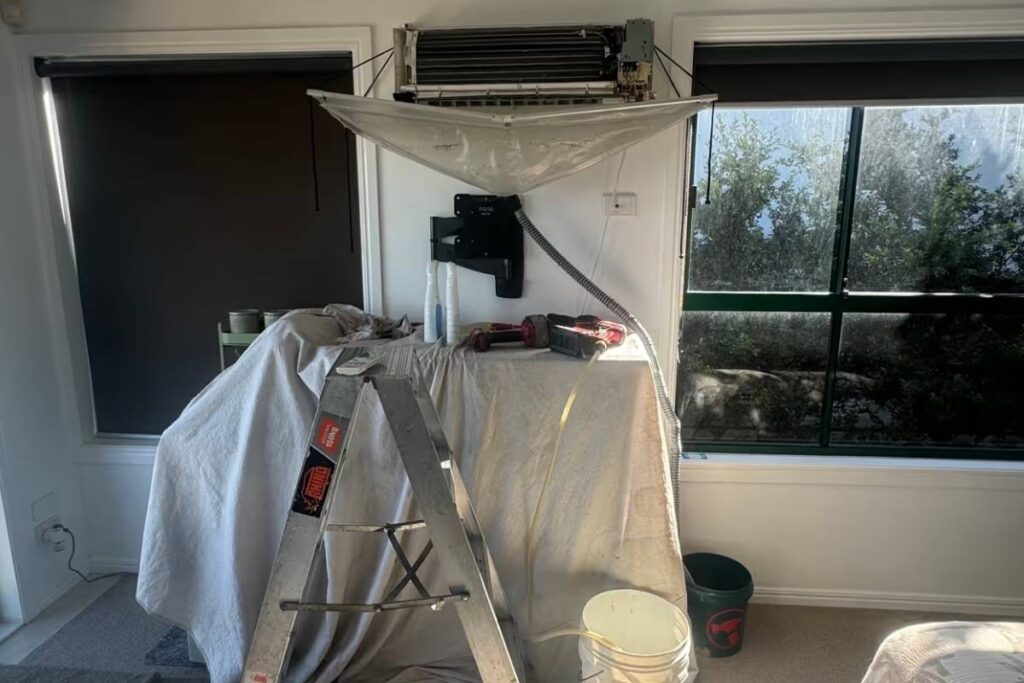
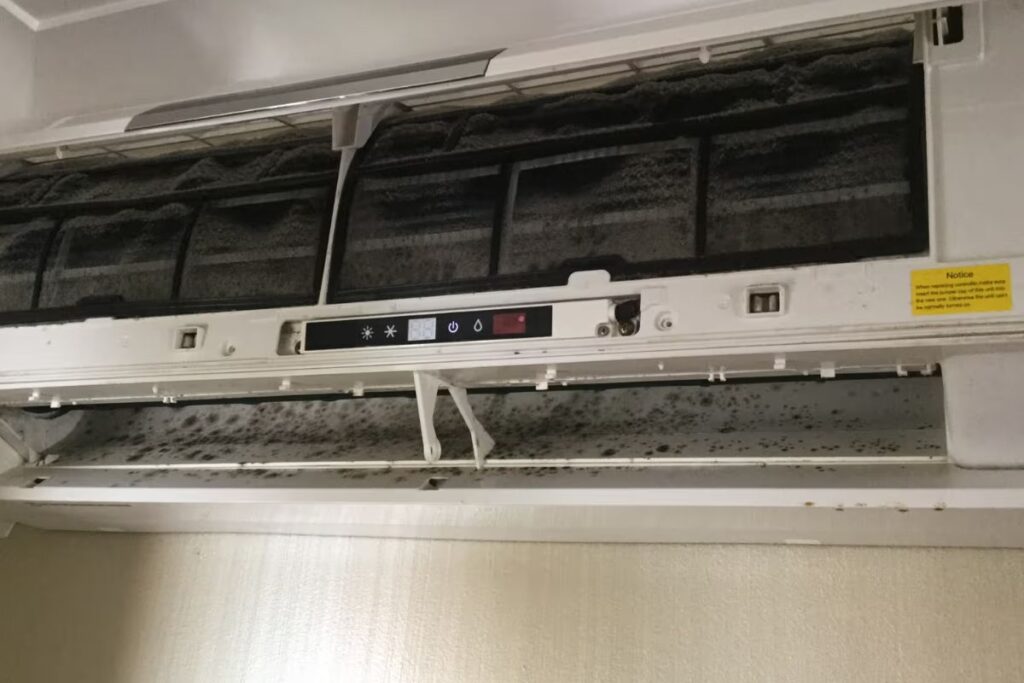
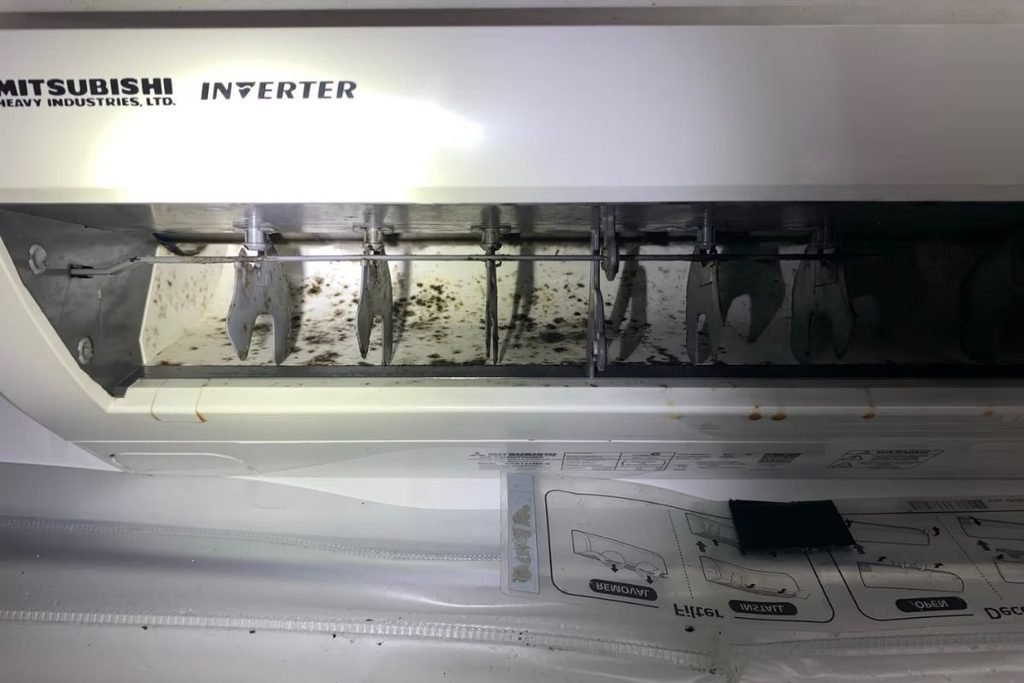
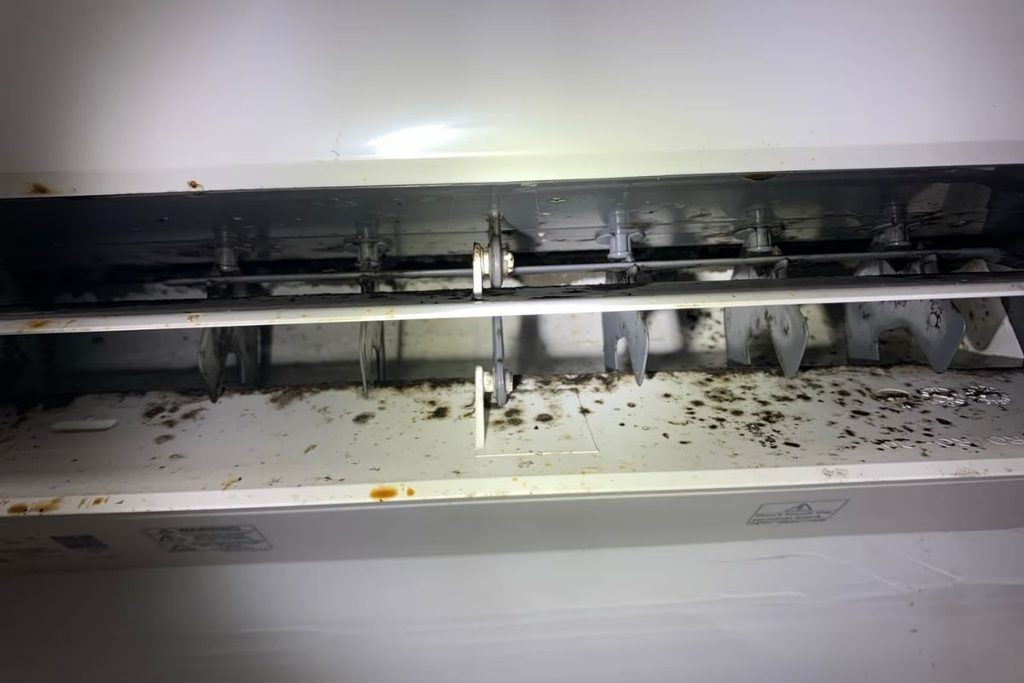
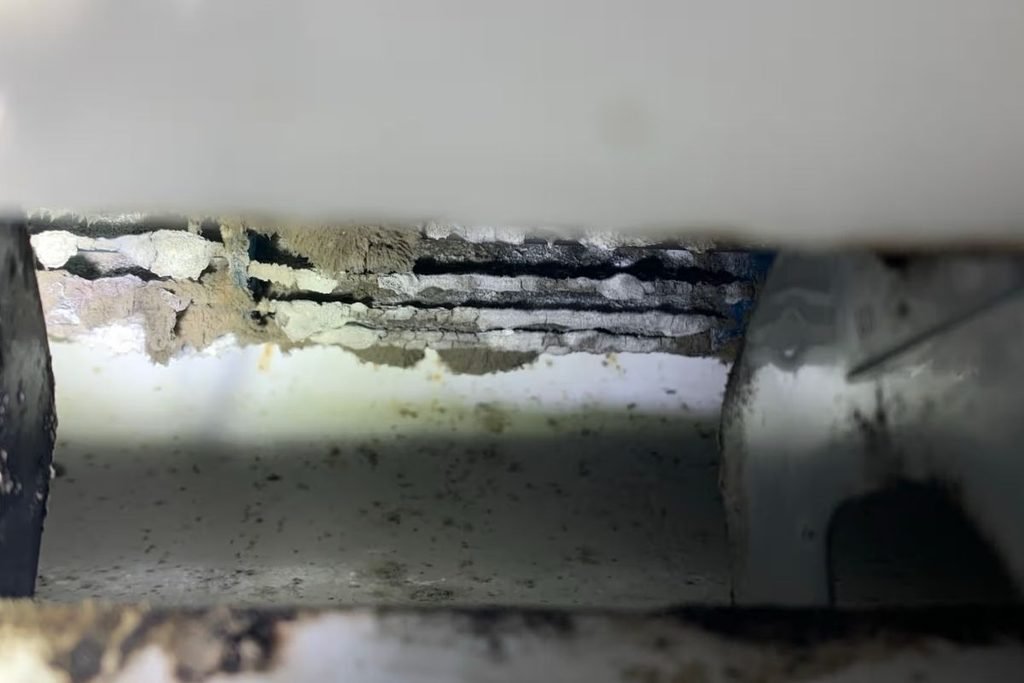
The lounge unit told a different story. Mould was visible inside the unit, past the filters, in the section a routine service does not reach. Our technician flagged it for a hydro clean and left the bedroom head alone.
That distinction matters. Two identical heads, installed on the same day, in the same house, running off the same outdoor unit — and only one of them needed the deeper work. We do not quote a hydro clean on both simply because the technician is already on site. If a unit is clean, we tell you it is clean.
Why the lounge unit and not the bedroom?
Mould needs three things: moisture, still air, and something organic to feed on. Living areas supply all three more generously than bedrooms do.
The lounge runs longer hours, so its coil spends more time cold and wet with condensate. It sits closer to the kitchen, so cooking oils drift into the airstream and settle as a fine film on the barrel fan. It also collects more dust from foot traffic, pets and open doors. That film plus that moisture is a growing surface.
On the Gold Coast, the climate does the rest. Summer humidity regularly sits above 70%. Coastal salt air adds another layer to internal components. Consequently, a system that would stay clean for years in a dry inland climate can develop visible mould here within a couple of seasons.
Filter clean vs hydro clean: what actually happens
These two services get confused constantly, so here is the plain version.
A filter clean (part of routine maintenance)
Your technician removes the front panel, slides out the mesh filters, washes and dries them, then checks air-off temperature, drain flow and the outdoor unit. It takes roughly 20 to 30 minutes per head.
This is preventative work. It keeps airflow strong, keeps running costs down, and stops dust reaching the coil in the first place. Most homes need it once a year, and heavy users need it twice.
What it does not do is clean the barrel fan, the evaporator coil fins, or the drain tray. Those sit behind the filters. A cloth cannot reach them, and a vacuum cannot lift growth that has bonded to aluminium.
A hydro clean (deep clean)
A hydro clean strips the unit back. Our technician bags and seals the indoor head, applies a treatment to the coil and barrel fan, then pressure-flushes the internals with water. The runoff – usually black – drains into the collection bag rather than down your wall.
The drain line gets cleared at the same time, because a partly blocked drain is often what created the moisture problem in the first place.
A hydro clean removes the mould itself, not just the smell. That is the whole point. Deodorising sprays mask odour for a fortnight and leave the growth in place.
Five signs of mould in air conditioner units
1. The air conditioner smells musty on start-up. The smell is strongest in the first 30 to 60 seconds, then fades as airflow dilutes it. This is the single most reliable indicator.
2. Black or dark green speckling around the barrel fan. Shine a torch through the outlet louvres with the unit off. The barrel fan is the long cylinder inside. Speckling on the blades means growth, not dust.
3. The smell returns days after a filter clean. Clean filters fix a dusty smell permanently. If the odour comes back within a week, the source sits deeper.
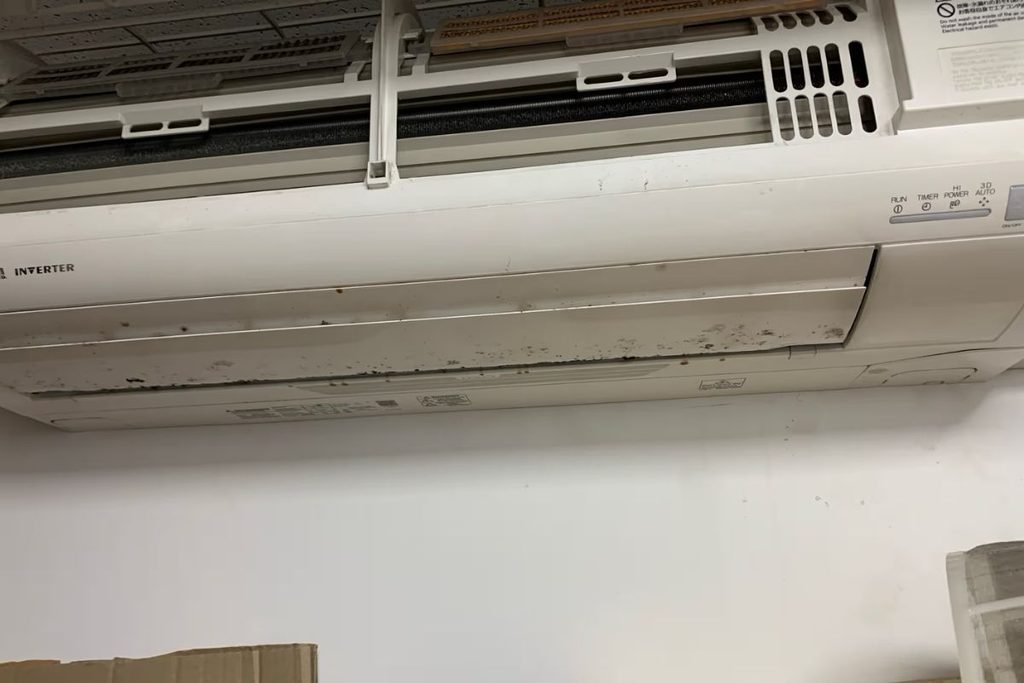
4. Fine dark specks on surfaces below the unit. The fan flicks spores and debris out with the airflow. A dusting on the sofa arm or windowsill directly under the head is worth investigating.
5. Someone in the household reacts when the system runs. Sneezing, a scratchy throat or itchy eyes that settle when the unit is off, and return when it is on, point to something in the airstream.
One sign on its own may mean very little. Three or more together usually means a hydro clean is due.
Why a musty air conditioner is worth taking seriously
Mould is not just an odour problem. According to enHealth’s national guidance on the potential health effects of mould, exposure to damp and mould indoors is associated with respiratory symptoms, worsened asthma and allergic reactions. Queensland Health makes the same point in its household mould advice: removing the growth and fixing the moisture source both matter, and doing only one of them fails.
Mould in air conditioner units makes this more pressing than a patch of mould on a bathroom ceiling. A bathroom patch sits still. An indoor head takes air from the room, passes it directly across the affected surfaces, and pushes it back out at speed – several times an hour, every hour it runs.
Children, older people and anyone with asthma tend to notice first. However, a healthy adult can live with a mouldy system for a full summer and put the symptoms down to hay fever.
This is general information, not medical advice. If symptoms persist, speak to your GP.
In commercial buildings, this is a compliance issue
Homeowners have a choice. Building owners and managers have obligations.
AS/NZS 3666, the Australian and New Zealand standard covering microbial control in air-handling and water systems, sets out operation and maintenance requirements for building air-handling systems. Documented cleaning schedules, drain condition and coil hygiene all sit within its scope.
For hotels, medical suites, offices and retail tenancies, a musty smell is not a minor complaint. It is a sign the maintenance record needs attention. Our commercial team works to these requirements and provides written service records for every visit.
How often does mould in air conditioner heads need a hydro clean?
There is no fixed interval, and any company quoting one without inspecting your units is guessing.
As a working guide for Gold Coast homes:
- Every 2 to 3 years for a typical living-area unit in regular use
- Every 12 to 18 months for units near the kitchen, in coastal homes, or in households with pets
- Rarely, if ever for bedroom units in light use with a good annual service history — like the bedroom head in the job above
The most effective way to delay a hydro clean is a consistent annual service. Clean filters keep the coil clean. A clear drain keeps the tray dry. Our maintenance plans start at $149 per year for Tier 1 Essential, with Tier 2 Comfort at $229 and Tier 3 Total Protect at $329.
What we do not recommend
Supermarket aircon “cleaning” foams. These are designed for the coil face only. Sprayed into a wall-mounted head by an untrained hand, the excess runs into the electrics or pools in the tray, where it becomes food for the next round of growth.
Pulling the barrel fan out yourself. It is a balanced component. Refitting it slightly out of true creates vibration, noise and premature bearing wear.
A hydro clean on every head, every year, by default. Some units simply do not need it. Paying for one that does not is money that would be better spent on the annual service that prevents the problem.
Frequently asked questions
Does a hydro clean remove mould in air conditioner units permanently?
- It removes the cause, so yes – provided the drain issue behind it gets fixed at the same time. If moisture keeps pooling, growth returns.
Can you hydro clean a ducted system?
- The indoor fan coil unit can be cleaned. Ductwork requires separate duct cleaning, which is a different service. We will tell you which one you need after inspection.
How long does a hydro clean take?
- Around 60 to 90 minutes per indoor head, including bagging, treatment, flushing and reassembly.
Will my unit be out of action?
- Only during the clean. It runs normally once the internals have dried, usually within the hour.
My unit is 12 years old and heavily affected. Is a clean worth it?
- Sometimes not. We give you the honest comparison against replacement cost rather than cleaning a unit that is near end of life.
Book an inspection
DEEPCHILL – Air conditioning Gold Coast has serviced Gold Coast homes and businesses since 1986 – 40 years of local experience, and Fujitsu/GENERAL National Dealer of the Year in 2024 and 2025.
If your air conditioner smells musty, book an inspection and we will tell you which of the two situations you are in. Sometimes the answer is a filter clean. Sometimes it is an aircon hydro clean. We will not sell you the second one when you need the first.