By 11am, the meeting room feels like a greenhouse and three mini fans are running across the office. By 5pm, the same staff are pulling on jackets and someone has a heater going under their desk. If this sounds like your workplace, you’re not alone. Spring temperature swings are one of the most common complaints we hear from Gold Coast business owners and property managers at this time of year. At DEEPCHILL, we’ve been working on Gold Coast air conditioning systems since 1986. In this guide, we explain why it happens, and what you can do about it.
The office “thermostat war” (a familiar scene)
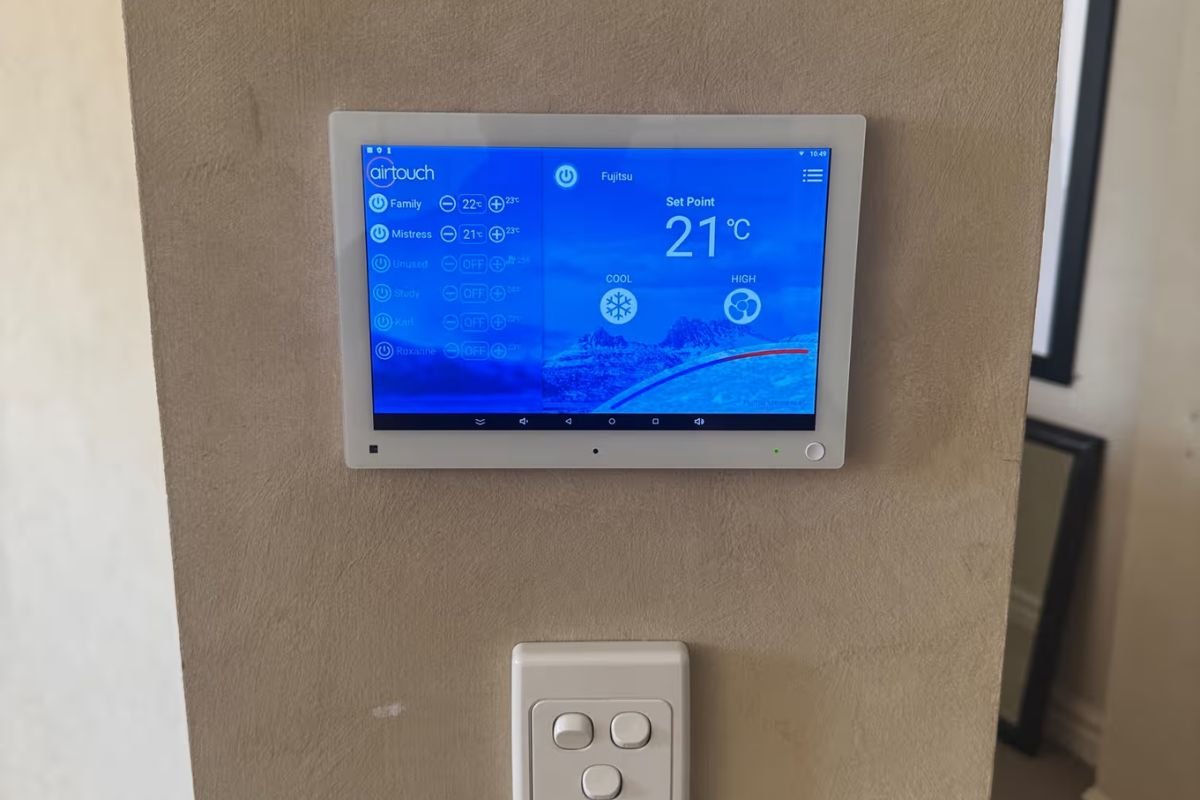
Every office has one. Around late morning, the person by the window says it’s boiling. Someone quietly turns the thermostat down to 18°C. Then, by the end of the day, the office feels freezing, and someone else turns it back up to 26°C.
Meanwhile, nobody is comfortable, and the system is working harder than ever.
Here’s the important part. In most cases, this isn’t about fussy staff. It’s a sign that your office air conditioning isn’t set up for the way Gold Coast spring weather behaves. Fortunately, most of the causes are fixable.
Why spring makes it worse
In summer, the job is simple. Your system cools all day. In winter, it mostly heats. Spring, however, asks it to do different jobs within a single working day.
Most Gold Coast offices run from around 8:30am to 5pm. When staff arrive, the office feels fine. But by mid-morning, it heats up fast. People, computers, lights and kitchen appliances all give off warmth. Add sun through east and north-facing windows, and a busy floor can feel uncomfortable well before lunch.
So the thermostat gets turned down, and the system cools hard through the middle of the day.
Then the afternoon changes. The sun moves off the windows, the sea breeze picks up, and outdoor temperatures start to fall. Queensland doesn’t use daylight saving, so in spring the sun sets around 6pm. By 4 or 5pm, the office no longer needs much cooling. But the system is still blasting cold air at the setting someone chose at lunchtime. As a result, staff who were sweating at 11am are reaching for jackets by home time.
Most commercial systems were set up during summer, when everything simply needed cooling. Spring exposes every weakness in that setup.
Common causes: Zoning, settings, dirty coils and ageing systems
1. Poor zoning
A “zone” is simply an area your air conditioning controls as one space. Many offices have one thermostat controlling a whole floor. If that thermostat sits in a shaded corner office, the sunny meeting rooms never get enough cooling during the day. Likewise, one zone can’t cool a hot boardroom and ease off in a cooler reception area at the same time.
2. The thermostat is in the wrong spot
We often find thermostats next to a printer, above a kitchenette, in direct sunlight, or behind a door. The system then reacts to that one spot, not to where your staff actually sit.
3. Settings still on “summer mode”
Many commercial systems run on a timer or a building management system. That’s simply a central computer that tells the air conditioning when to start, stop and what temperature to hold. If nobody has updated it for spring, the system may keep cooling at full strength all afternoon, long after the office has cooled down.
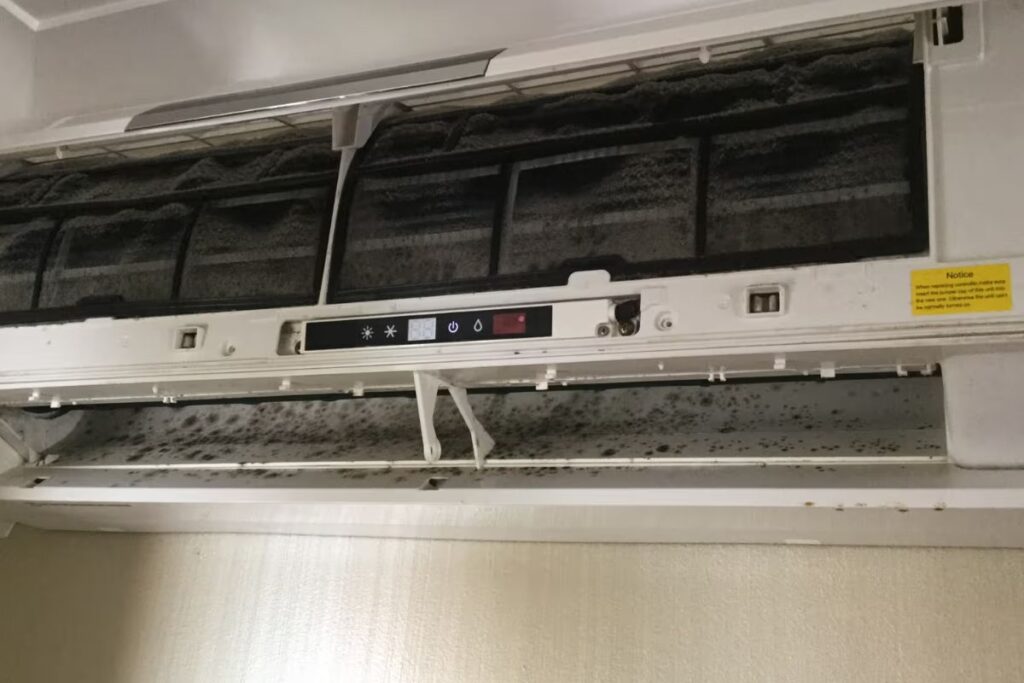
4. Dirty filters and coils
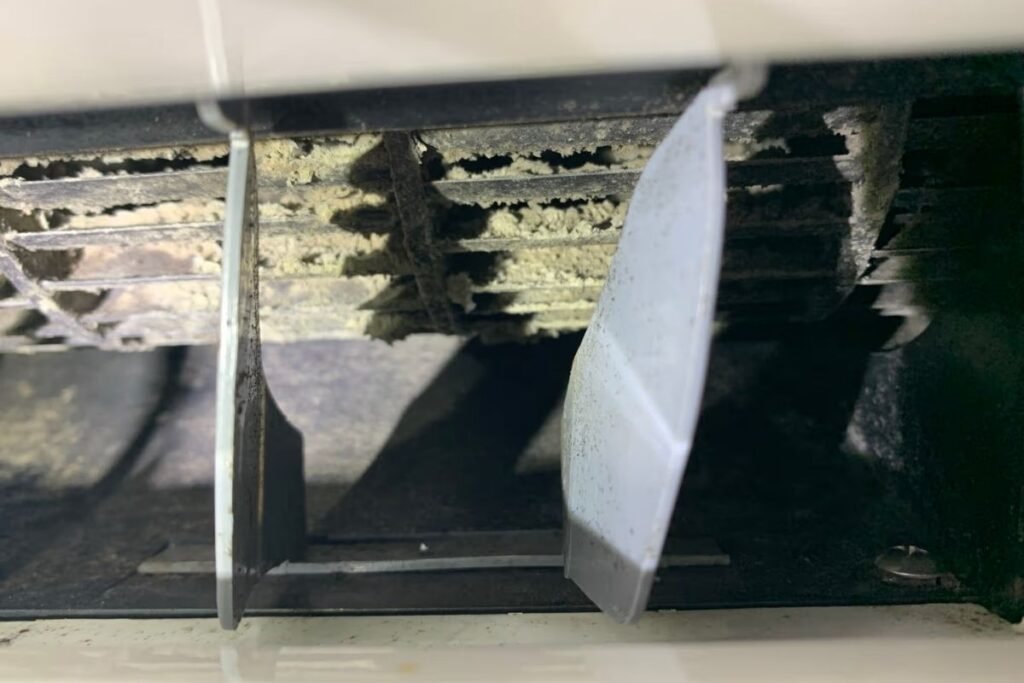
The coil is the part inside your unit that the air passes over to be heated or cooled. Over time, it collects dust and grime. A dirty coil and clogged filters mean less air comes out, so the system struggles to keep up during the hottest part of the day. On the Gold Coast, salty, humid air speeds this up, especially for offices near the coast.
5. Air not reaching the right rooms
Air travels through ducts to vents across the office. Small flaps inside the ducts, called dampers, control how much air goes where. When these stick, break, or were never adjusted properly, some rooms get too much air and others barely get any.
6. An ageing system
Most commercial systems last around 15 to 20 years with good maintenance. After that, they lose capacity, break down more often and cost more to run. An older system might cope on a mild day but struggle when the office is full and the sun is beating on the windows.
The cost: Staff comfort, productivity and power bills
Temperature problems are easy to dismiss as a minor annoyance. However, they affect your business in real ways.
Staff comfort and wellbeing. Safe Work Australia guidance suggests a comfortable indoor range of around 20 to 26°C for most office work, depending on the season and clothing. When staff spend the morning too hot and the afternoon too cold, complaints rise and morale drops.
Productivity. It’s hard to focus when you’re uncomfortable. Staff move desks, avoid meeting rooms, take extra breaks, or keep adjusting thermostats and fans. The last hour of the day is often the least productive already, and a cold office makes it worse.
Power bills. This is the one most owners don’t see coming. A system cooling hard in the late afternoon, when the office is already cool, is wasting money. Add personal heaters and desk fans, and you’re paying for several appliances to cancel each other out. Dirty coils also force the system to run longer for the same result.
If you’re a property manager, there’s another cost: tenant complaints. Ongoing comfort issues are a common source of friction between landlords and tenants, and they can come up at lease renewal.
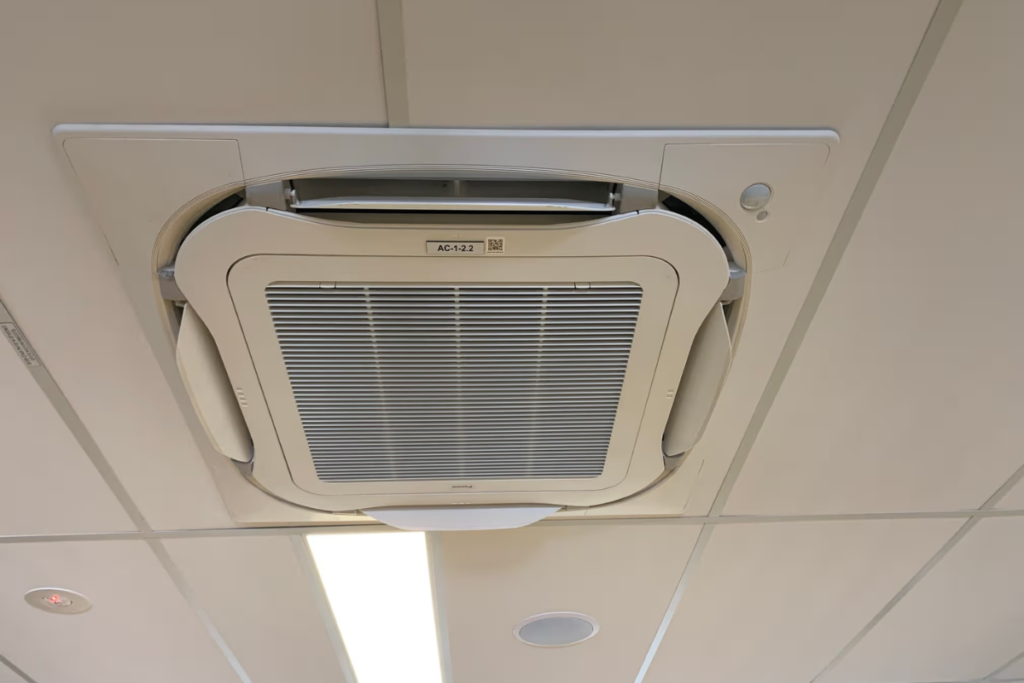
Quick fixes vs bigger fixes
Quick fixes you can try this week
- Update the schedule. Start cooling around 8am, before the office heats up. Then ease off from about 3:30pm, as the afternoon cools down.
- Set a sensible temperature. Around 22 to 24°C works well for most offices in spring. Avoid big swings.
- Lock or limit the thermostat. Fewer hands on the controls means fewer extremes.
- Use blinds. Close them on sunny windows during the late morning and midday.
- Move desks away from vents. Nobody wants cold air blowing on their neck all afternoon.
- Remove personal heaters. They confuse nearby thermostats and add to your power bill.
Bigger fixes that need a technician
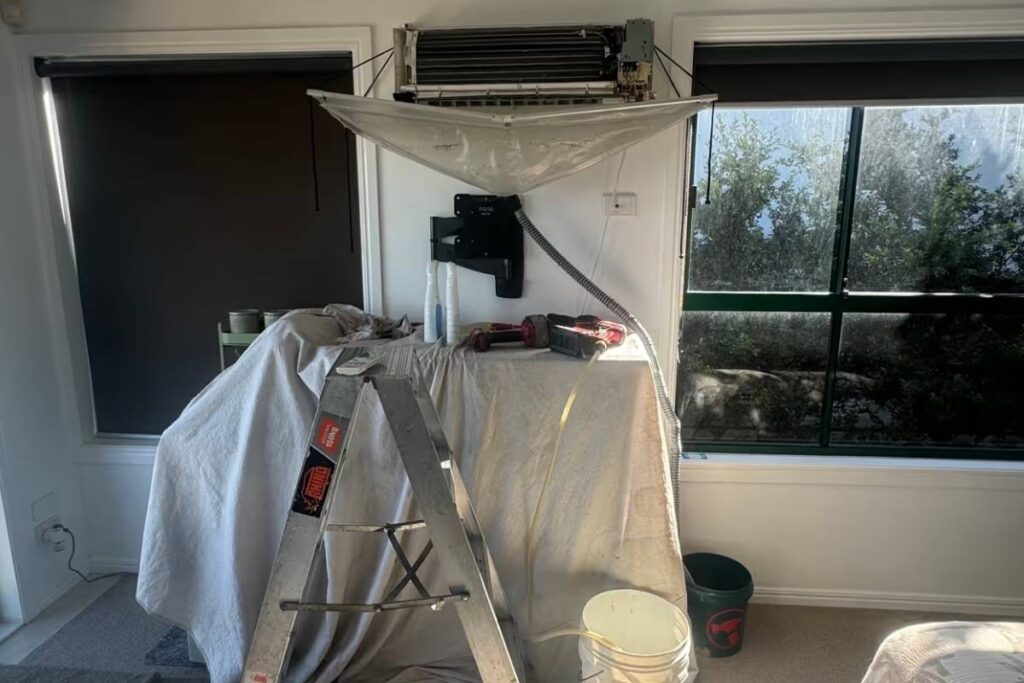
- A full clean of coils, filters and drains to restore airflow and efficiency
- Moving or adding thermostats so the system reads the right part of the office
- Re-balancing airflow by adjusting dampers so each area gets the right amount of air
- Adding zones, or a separate split system for a hot meeting room, boardroom or server room
- Updating controls so schedules match your actual business hours
- Replacing an ageing system when repairs no longer make financial sense
A good HVAC contractor will tell you which fixes will make a real difference, and which aren’t worth the money.
Why a pre-summer commercial check matters
If your office is struggling to stay cool on a 26°C spring morning, it will struggle much more on a humid 34°C day in January. Spring is the warning sign. Summer is when small problems turn into breakdowns.
Timing matters too. December and January are the busiest months for every commercial air conditioning service on the Gold Coast. Booking in October or November means your system is checked, cleaned and adjusted before the heat arrives, and before technicians are booked out.
A pre-summer commercial check also gives you a clear record of your system’s condition. That’s useful for budgeting, for planning upgrades, and for showing tenants or insurers that the system is properly maintained.
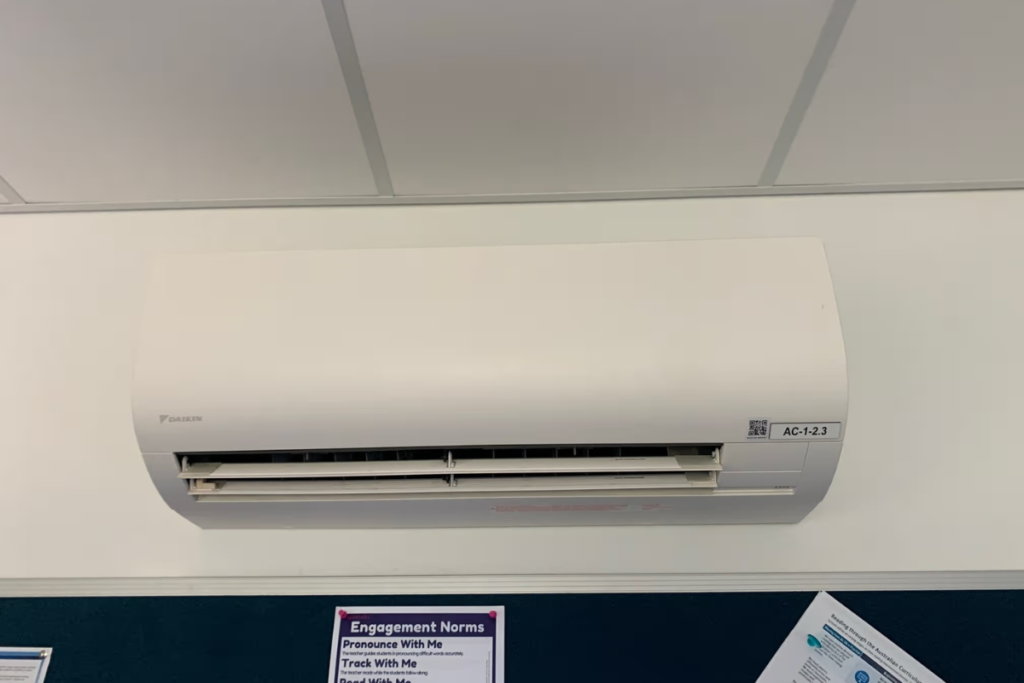
Book a commercial maintenance check
DEEPCHILL has been working on Gold Coast air conditioning for 40 years. Our team looks after offices, medical practices, retail spaces and hospitality venues across the coast. We’re also proud to be Fujitsu and GENERAL National Dealer of the Year for 2024 and 2025.
We’ll explain what we find in plain language, not technical jargon. Then we’ll recommend a commercial HVAC maintenance Gold Coast plan that suits your building, your team and your budget.
👉 Book a commercial maintenance check before the summer rush.