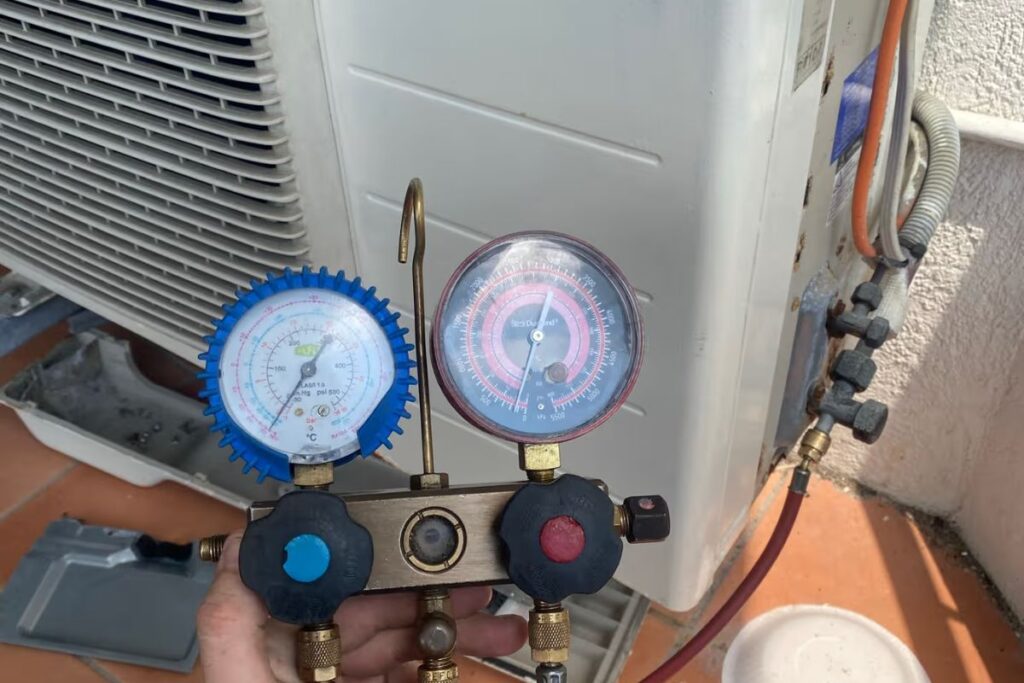
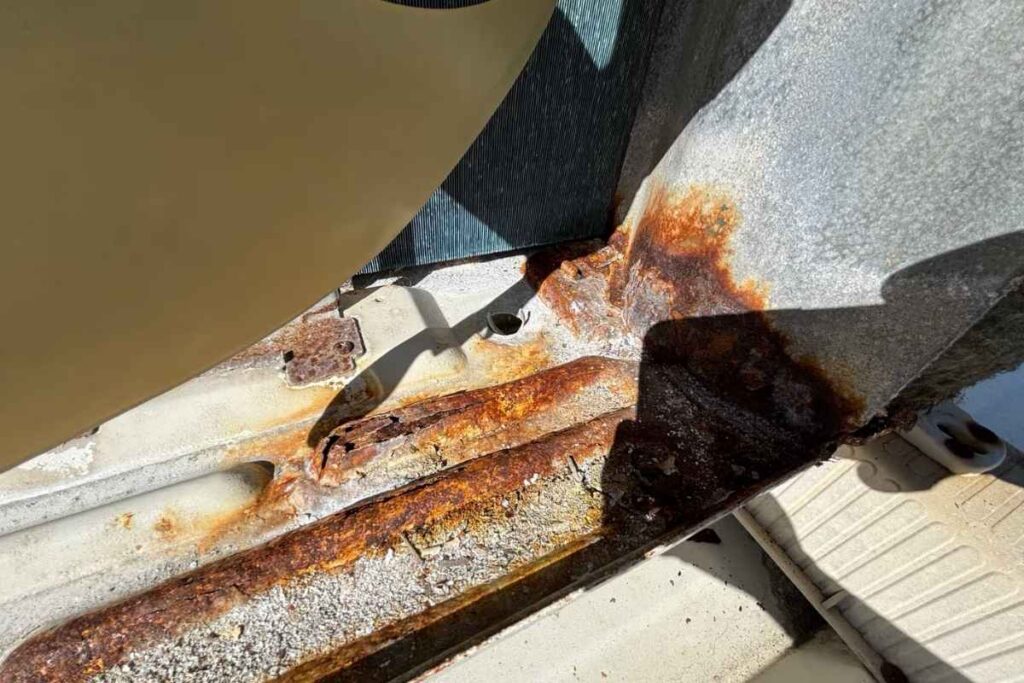
When severe thunderstorms sweep through Queensland, lightning strikes can sometimes do more than just light up the sky – they can damage electrical systems, including your air conditioner. For Gold Coast homeowners, where storms are common during spring and summer, understanding what happens when your air conditioner is struck by lightning can help you decide what to do next and how to protect your system in the future.
Table of contents
Why lightning strikes air conditioners
Most lightning-related damage happens because:
- The property lacks proper surge protection or a lightning rod.
- Homeowners turn off the AC via remote but leave it plugged into live power.
- Old or exposed wiring on the roof becomes a conductor for lightning energy.
How badly can lightning damage your air conditioner?
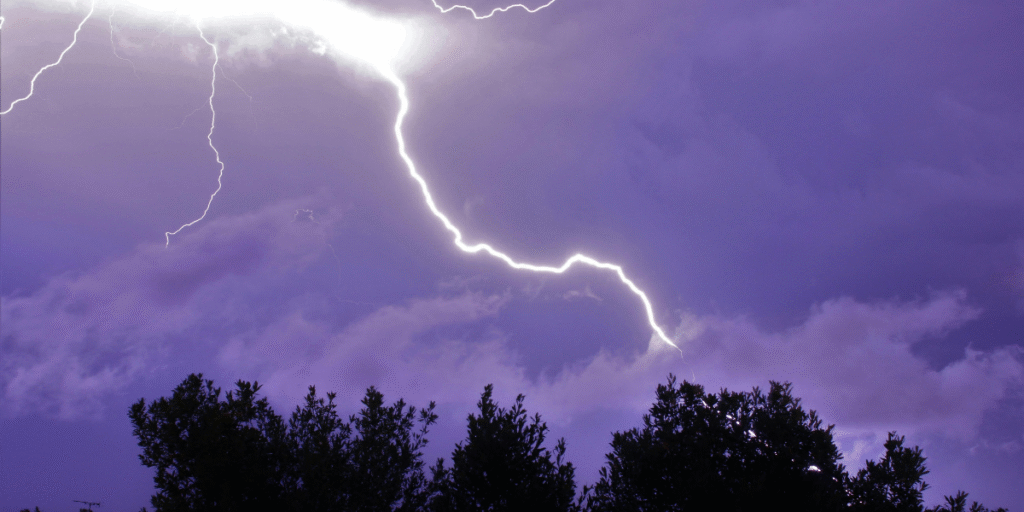
A lightning strike releases a surge of electricity that can exceed 30,000 amps – far beyond what any home appliance can handle. When lightning hits power lines or nearby buildings, the electrical surge can travel through your home’s wiring and reach your air conditioner.
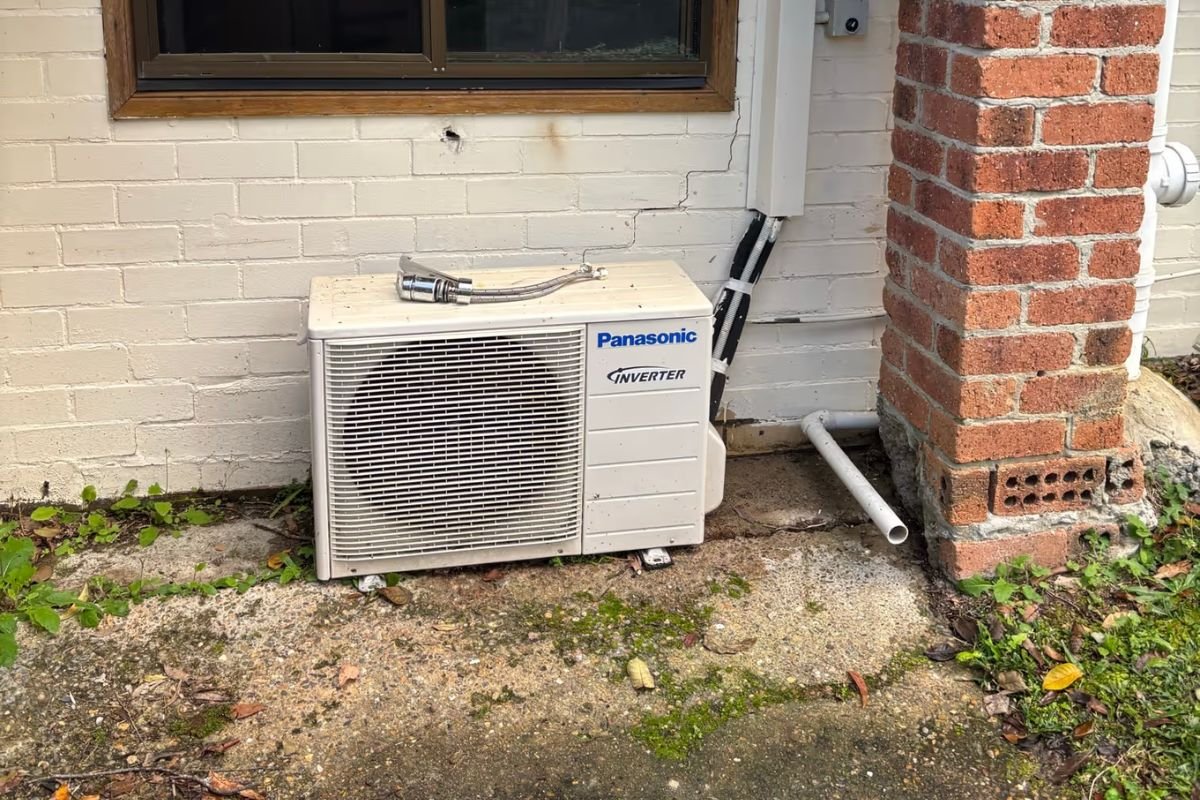
Even if the outdoor unit isn’t directly struck, the voltage spike can still cause internal damage, especially to:
- Main circuit board (PCB): often burns or shorts out after a surge.
- Fuse or capacitor: may blow immediately.
- Compressor or fan motor: can stop running or lose function due to overload.
⚠️ Warning sign: after a storm, if your air conditioner doesn’t start, has a burnt smell, or its power cable looks damaged, unplug it immediately and contact an expert.

Can an air conditioner struck by lightning be repaired?
The answer depends on how severe the damage is:
- Minor damage: If only fuses or capacitors are burnt, a technician can replace them and test the board.
- Moderate damage: If the printed circuit board (PCB) is partially burnt, replacement may restore function – but at a higher cost.
- Severe damage: If the compressor or control board is completely fried, repair might not be worth it, as parts replacement could cost nearly as much as a new unit.
An experienced air conditioning repair service Gold Coast can inspect the system, measure voltage continuity, and determine whether repair or replacement is the better option.
How to repair an air conditioner after a lightning strike
If you suspect your AC was affected:
- Unplug the system immediately. Never attempt to restart or reset the unit after a storm.
- Inspect the power line and outdoor unit. Look for visible burns or melted insulation.
- Check the circuit breaker and fuse. A tripped breaker might protect the rest of your system.
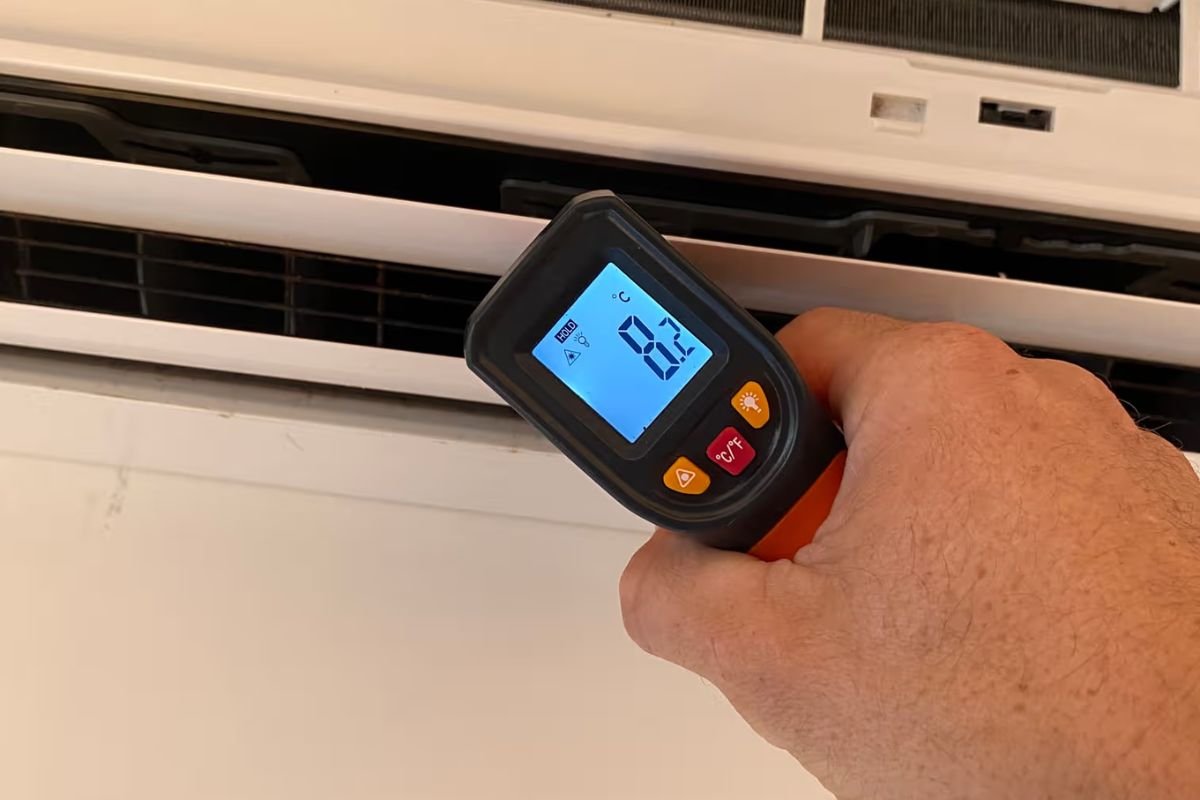
- Call a qualified technician. Professionals can test the PCB, capacitor, and compressor with safe diagnostic tools.
At DEEPCHILL, our licensed technicians use specialised surge-testing equipment to assess damage safely and restore your system’s operation whenever possible.
How to protect your air conditioner from lightning damage
You can’t stop the storm, but you can reduce the risk:
- Unplug the air conditioner during storms. Use remote controls to turn off or cut the power completely.
- Install surge protectors or voltage stabilisers. These can absorb sudden electrical spikes.
- Schedule regular electrical inspections. DEEPCHILL offers safety checks for wiring, outdoor units, and circuit boards.
- Use a lightning protection system such as a rod or earthing system if you live in high-risk coastal or elevated areas.
While an air conditioner struck by lightning can sometimes be repaired, severe damage often requires replacement and it won’t be covered under manufacturer warranty.
To stay safe, unplug your system during storms and invest in surge protection.
For fast, expert help after storm damage, contact DEEPCHILL – your trusted air conditioning repair service Gold Coast.