Thunderstorms are common across the Gold Coast during spring and summer, and while most homeowners rush to shut their windows, few think about their air conditioners. Knowing how to turn off your AC during thunderstorms isn’t just about saving energy – it’s about protecting your home and keeping your family safe. When lightning strikes or power surges occur, your air conditioner can suffer serious damage. Let’s explore why turning it off properly matters, and how to do it the right way.
Table of contents
Why you should turn off your AC during thunderstorms
There are two main reasons experts recommend shutting down your air conditioner completely when a storm is approaching: lightning-induced power surges and voltage instability.
1. Risk of lightning surges
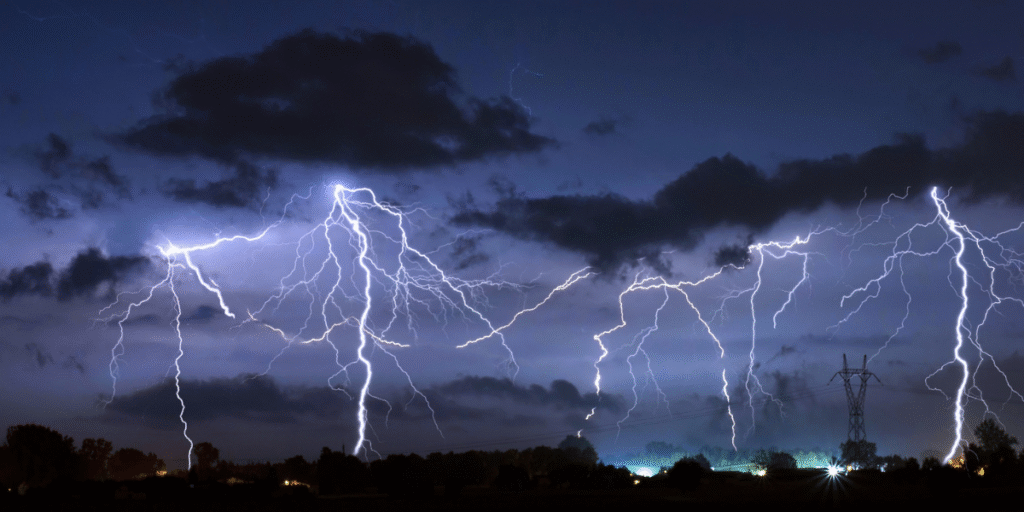
A lightning strike doesn’t need to hit your house directly to cause damage. If it hits nearby power lines, the resulting electrical surge can travel through your home’s wiring and reach your AC system.
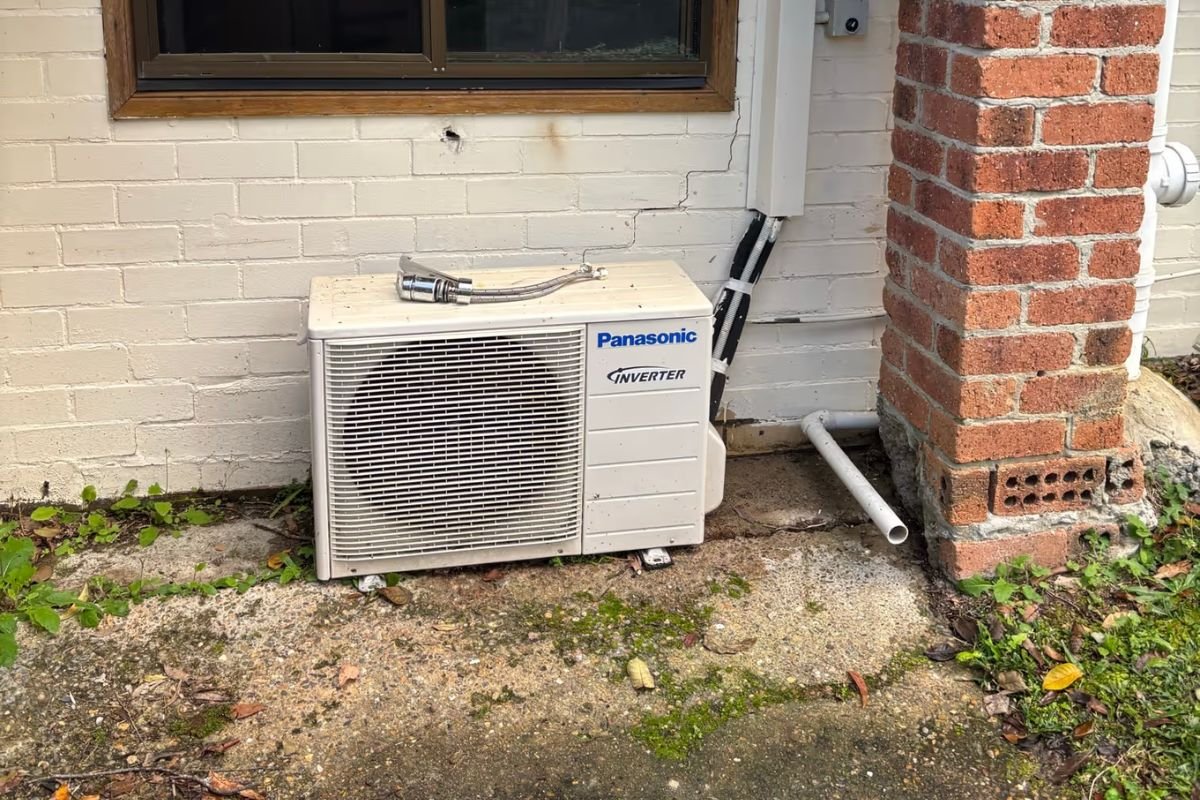
Air conditioners, especially inverter and ducted systems, rely on complex electronic circuit boards. A single surge can burn or short these components, leading to costly repairs or complete system failure.
2. Voltage fluctuations and power restarts
During thunderstorms, the local power grid often experiences drops or spikes in voltage. When power goes out and returns suddenly, your air conditioner may restart instantly – putting stress on the compressor and sensitive components.
This sudden electrical load can reduce the unit’s lifespan or even cause short circuits. That’s why DEEPCHILL – air conditioning Gold Coast technicians always recommend cutting off the power supply entirely until the weather stabilises.
How to turn off your AC safely during storms
If dark clouds start forming and thunder rumbles in the distance, follow these steps to ensure your AC and home stay protected:
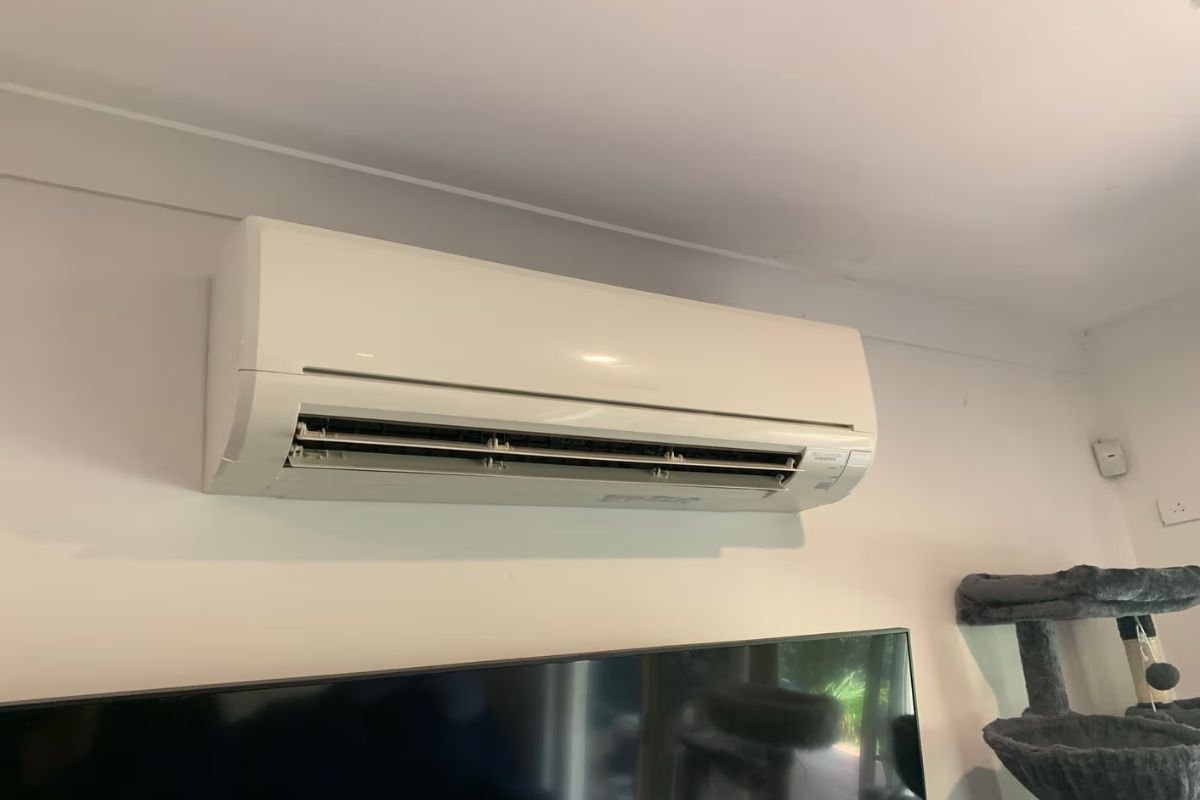
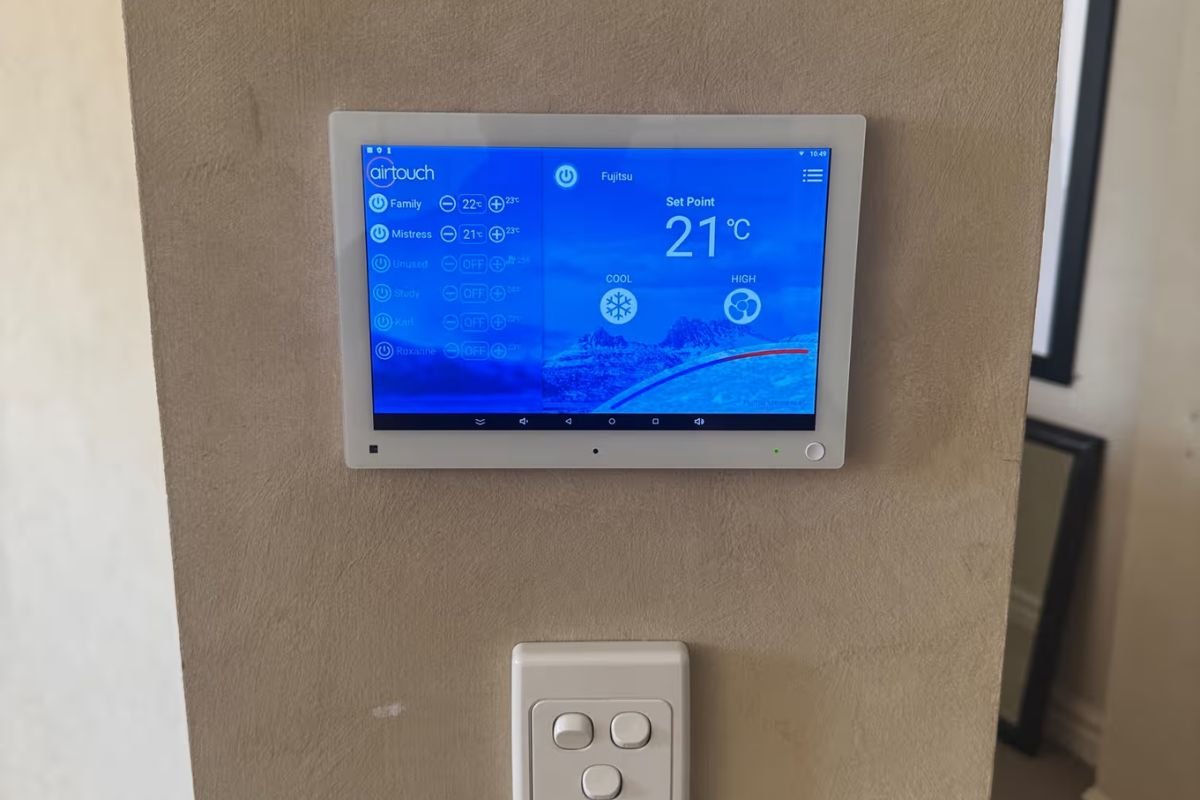
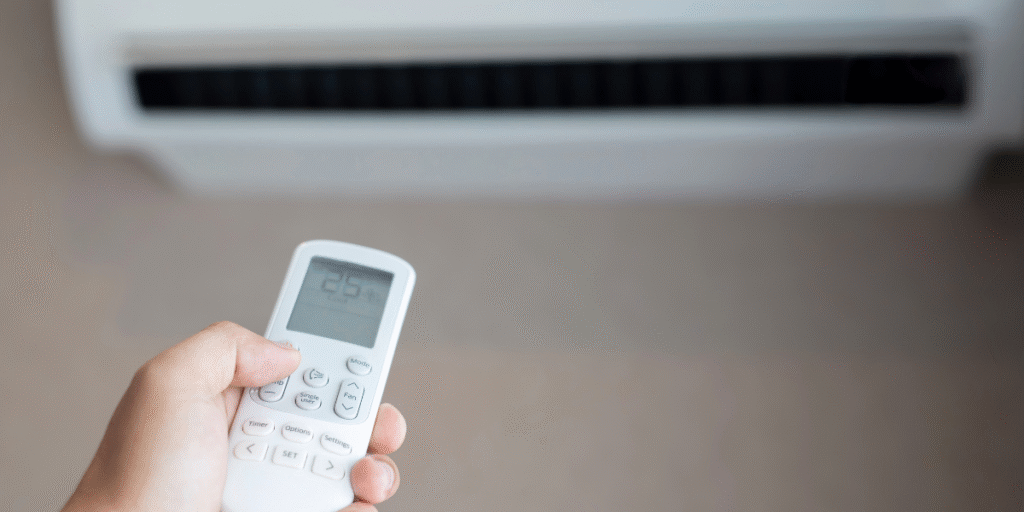
- Use the remote control to turn off the AC. This stops the cooling process and safely shuts down the system.
- Unplug the power cord (if applicable). For smaller or portable systems, unplugging completely prevents electricity from reaching the unit.
- Switch off the circuit breaker (Aptomat). This is the most effective way to isolate your air conditioner from electrical surges. If your AC has a dedicated breaker, turn it off. Otherwise, you can switch off the main breaker for the home during severe storms.
- Wait until the weather clears. Only restart your air conditioner once lightning and thunder have completely passed and the power supply is stable.
Expert advice from DEEPCHILL
According to DEEPCHILL’s air conditioning technicians, one of the most common post-storm issues on the Gold Coast is AC systems failing to start after a power surge. Prevention is always better and cheaper than repair.
To stay safe and avoid unexpected repair costs:
- Install surge protectors or voltage regulators for your air conditioning system.
- Schedule regular inspections, especially before the storm season.
- Avoid operating your AC when thunder and lightning are still nearby.
Knowing how to turn off your AC during thunderstorms can save you from expensive damage and unnecessary risks. When storms roll through the Gold Coast, take a few moments to unplug and power down your system completely.
Protect your investment, your home, and your peace of mind – because safety should always come first.