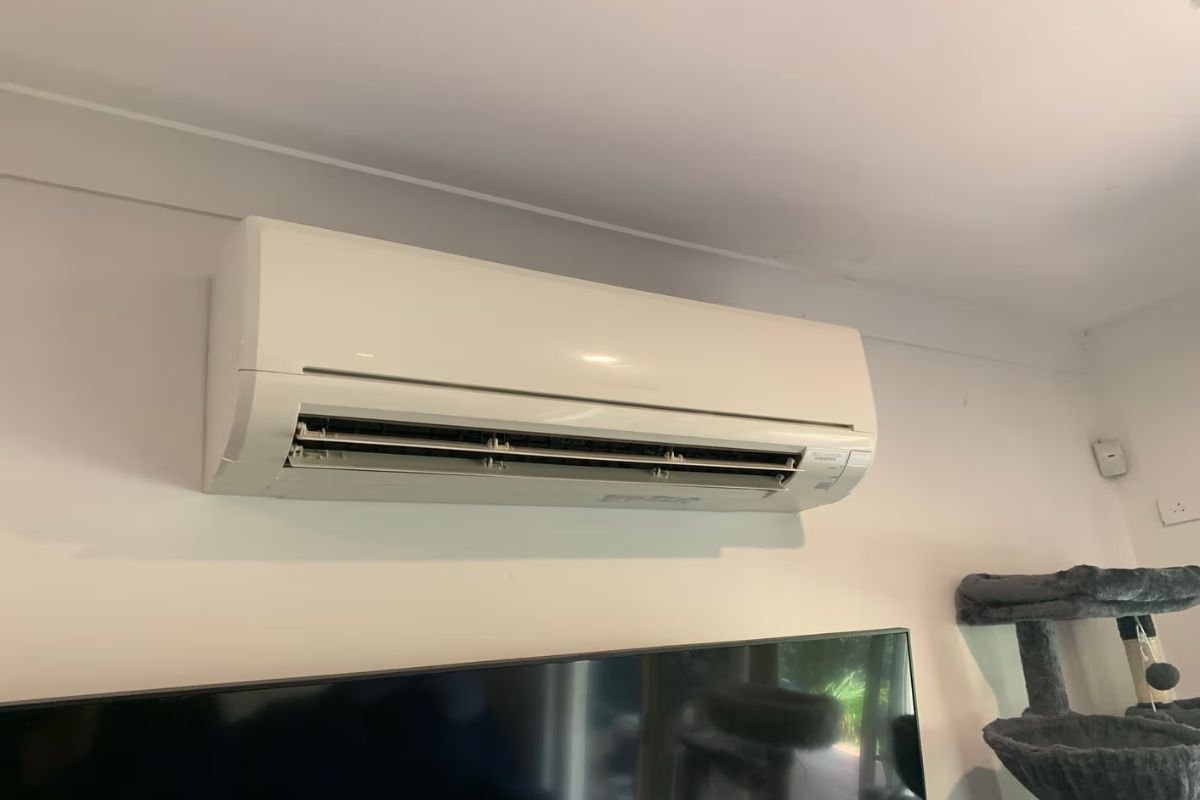
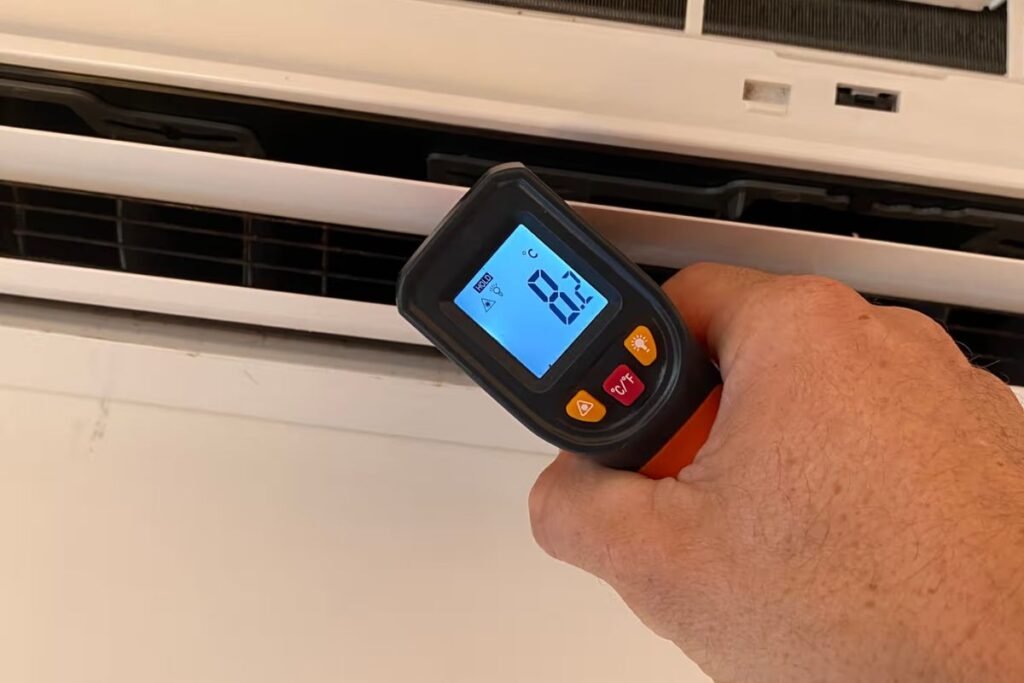
Living on the Gold Coast, where summer season warmth hits hard and fast, your air conditioner isn’t just a luxury – it’s a need. But whilst low refrigerant levels creep into the system, things can go south . Whether it’s refrigerant leaks, reduced AC efficiency, or uncommon noises, these problems are more than simply nuisances – they’re signs and symptoms your system is probably suffering. Staying in advance of these signs of low refrigerant with regular HVAC maintenance can save you from bigger troubles down the road.
Why Refrigerant Matters More Than You Think
Refrigerant is the lifeblood of your air conditioner. It absorbs warmth from inside your house and releases it outdoors, maintaining your area cool and relaxed. When refrigerant ranges drop, your AC loses its ability to do its task. In Gold Coast’s humid climate, meaning greater than pain – it could be a health hazard, especially for households with younger kids or elderly members.
4 Telltale Signs Of Low Refrigerant Levels
Recognising the signs of low refrigerant early can save you stress, money, and a sweaty night or two. Keep an eye (and ear) out for:
- Reduced cooling efficiency – Your AC’s working harder but cooling less.
- Higher energy bills – You’re paying more, but feeling less comfort.
- Ice formation – If you notice ice on your evaporator coils, that’s a red flag.
- Unusual noises – Hissing or bubbling sounds often mean refrigerant leaks.
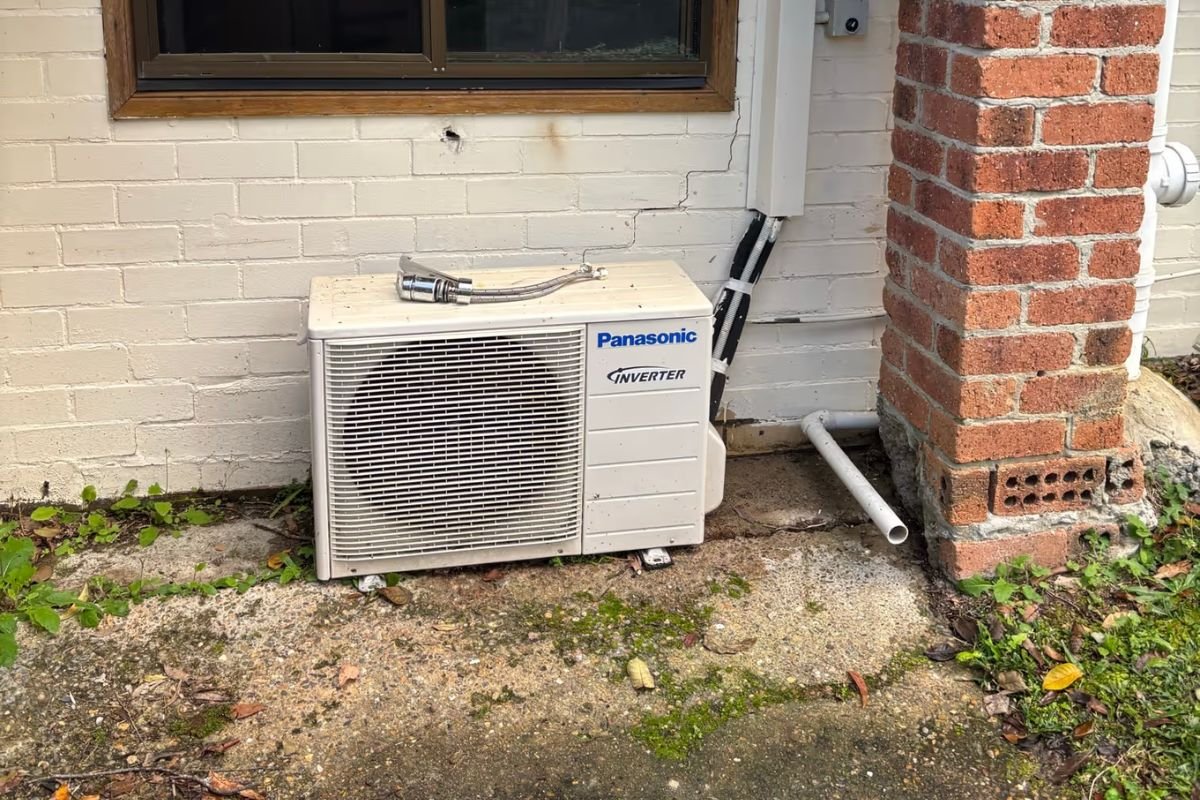
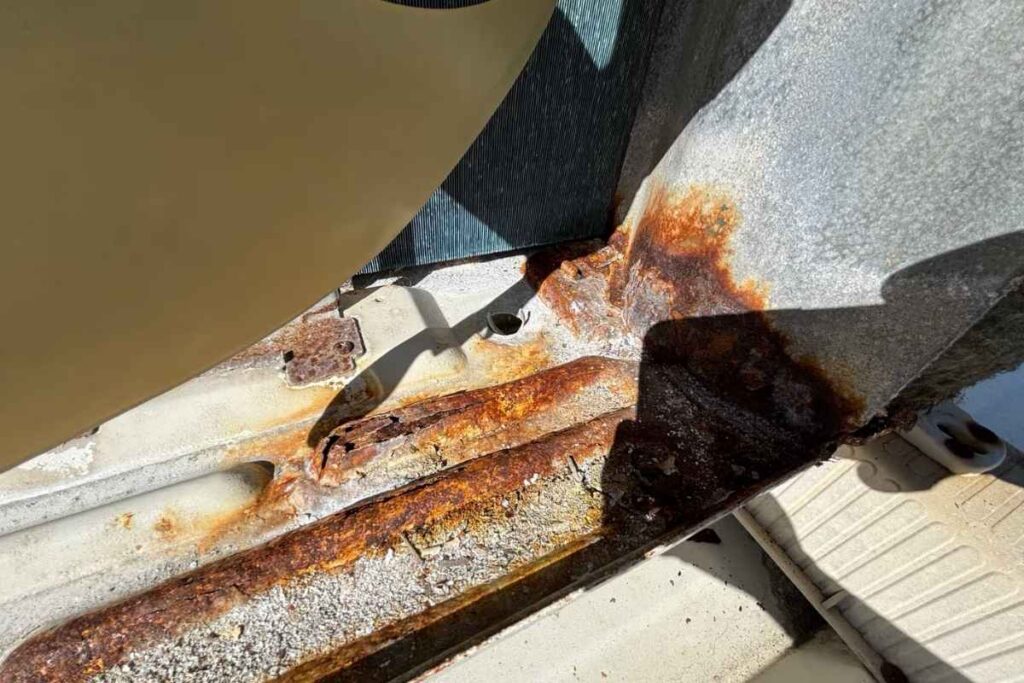
Locals on the Gold Coast often report their units “working fine last season,” only to discover these subtle issues once the heat kicks in again. The salt air and moisture here can be tough on outdoor units – something seasonal maintenance can help combat.
What Causes Low Refrigerant Levels?
Understanding the root causes helps you act faster. The main culprits include:
- Refrigerant leaks – Often caused by corrosion or loose connections, especially common in coastal areas like ours.
- Improper installation – If your AC wasn’t set up correctly, it might not have had the right charge to begin with.
Remember, refrigerant doesn’t “run out” like petrol – it circulates in a closed loop. So if levels are low, it’s likely due to a leak that needs professional attention.
The Domino Effect: Consequences Of Ignoring It
Leaving low refrigerant levels unchecked can lead to:
- Decreased cooling performance – Especially noticeable during peak summer.
- Increased indoor humidity – Less moisture gets removed, making rooms feel sticky.
- Compressor damage – The heart of your AC can overheat and fail – an expensive fix most homeowners dread.
And when humidity rises on the Gold Coast, mould growth becomes a real concern. That’s not just bad for your home – it can impact your health.
What You Can Do: Solutions & Prevention
Gold Coast homeowners can take these steps to stay cool, efficient, and stress-free:
- Schedule professional inspections – Experts can detect leaks and recharge refrigerants properly.
- Keep up with regular HVAC maintenance – Just like your car, your AC needs care.
- Respond to warning signs early – Don’t ignore strange sounds or weak airflow.
A trusted local provider like DEEPCHILL can help spot these problems before they ruin your summer plans. With experienced technicians who understand the coastal climate, you’re in good hands.
(Read more about maintenance tasks that you can or can’t handle here!)
Conclusion: Keep Cool By Listening To What Your AC Is Telling You
Your air conditioner doesn’t just break down overnight – it whispers first. Those signs of low refrigerant like weak airflow or rising humidity are its way of saying, “Hey, something’s off.” If you notice reduced AC efficiency or hear strange noises, don’t wait. These are often linked to refrigerant leaks or deeper issues caused by low refrigerant levels.
In Gold Coast’s salt-laced air and steamy summers, ignoring small issues today could mean a major fix tomorrow. That’s where regular HVAC maintenance comes in – think of it like a wellness plan for your AC.
So here’s the twist: maybe staying cool isn’t just about temperature. Maybe it’s about attention. Be the kind of homeowner who notices the quiet clues – and your system will thank you with smooth, chill summers for years to come.