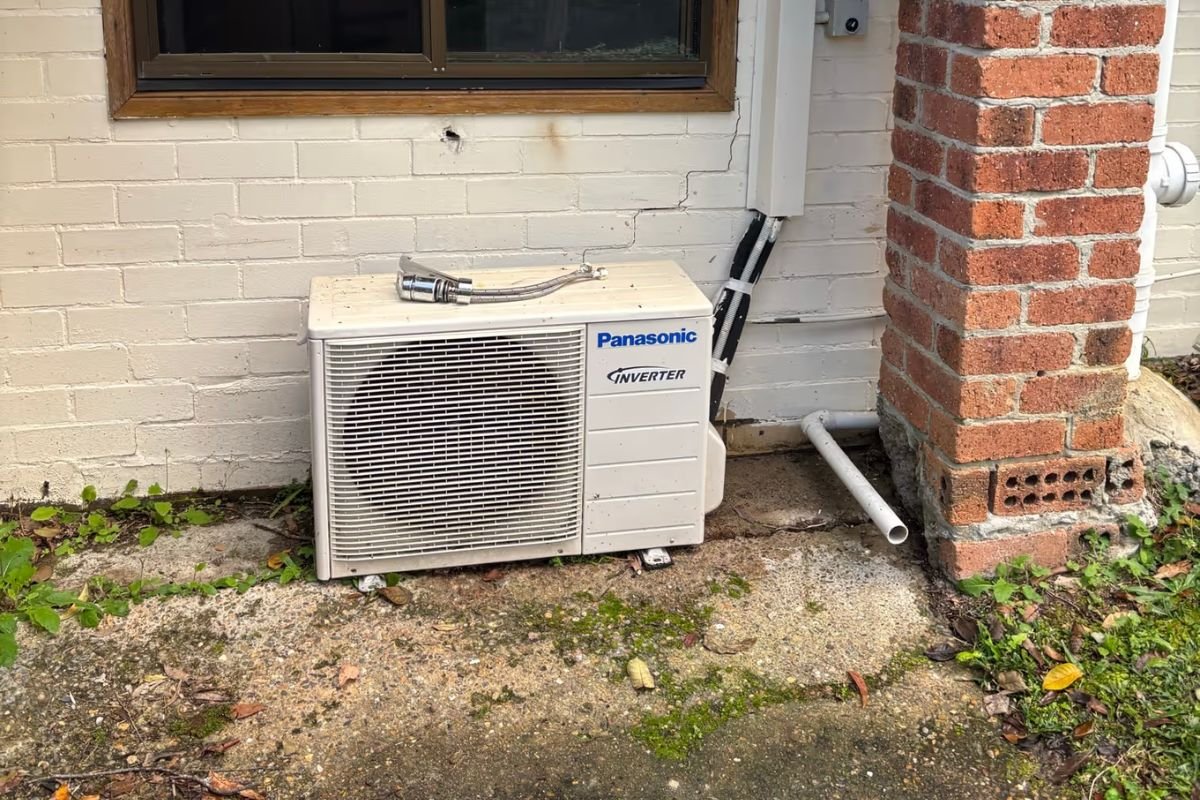
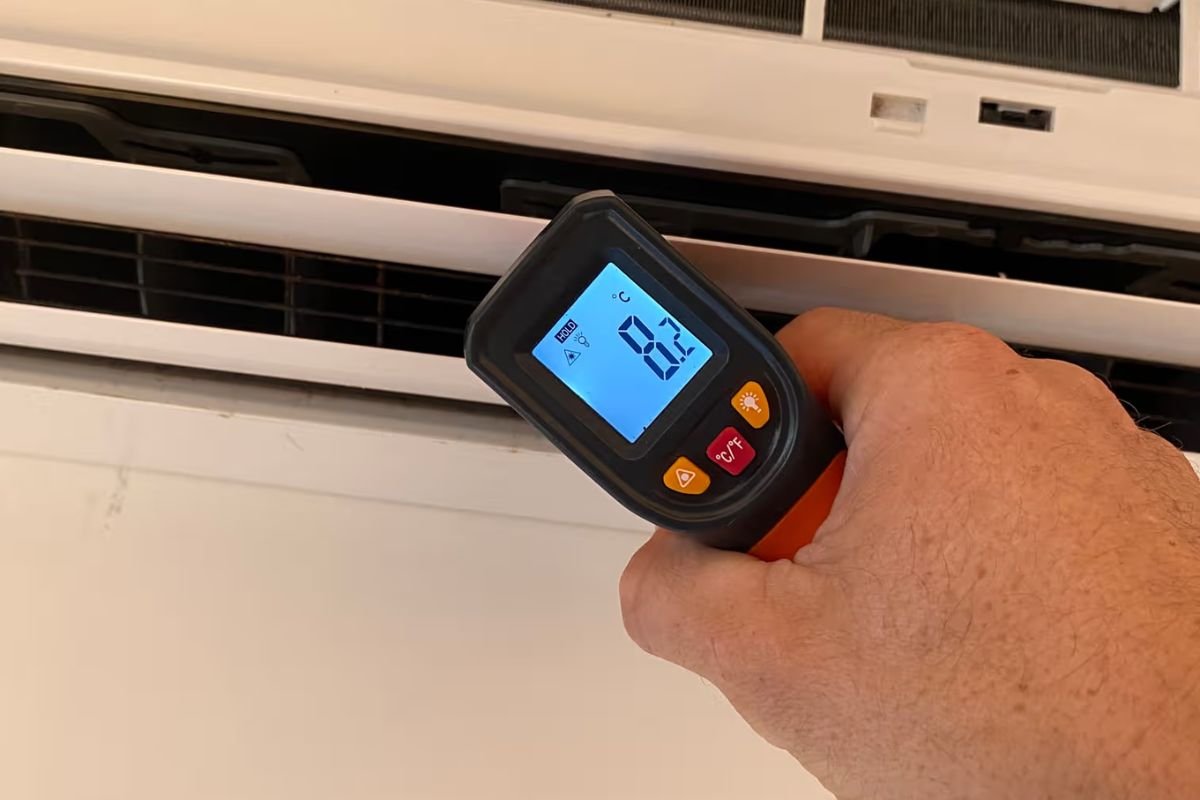
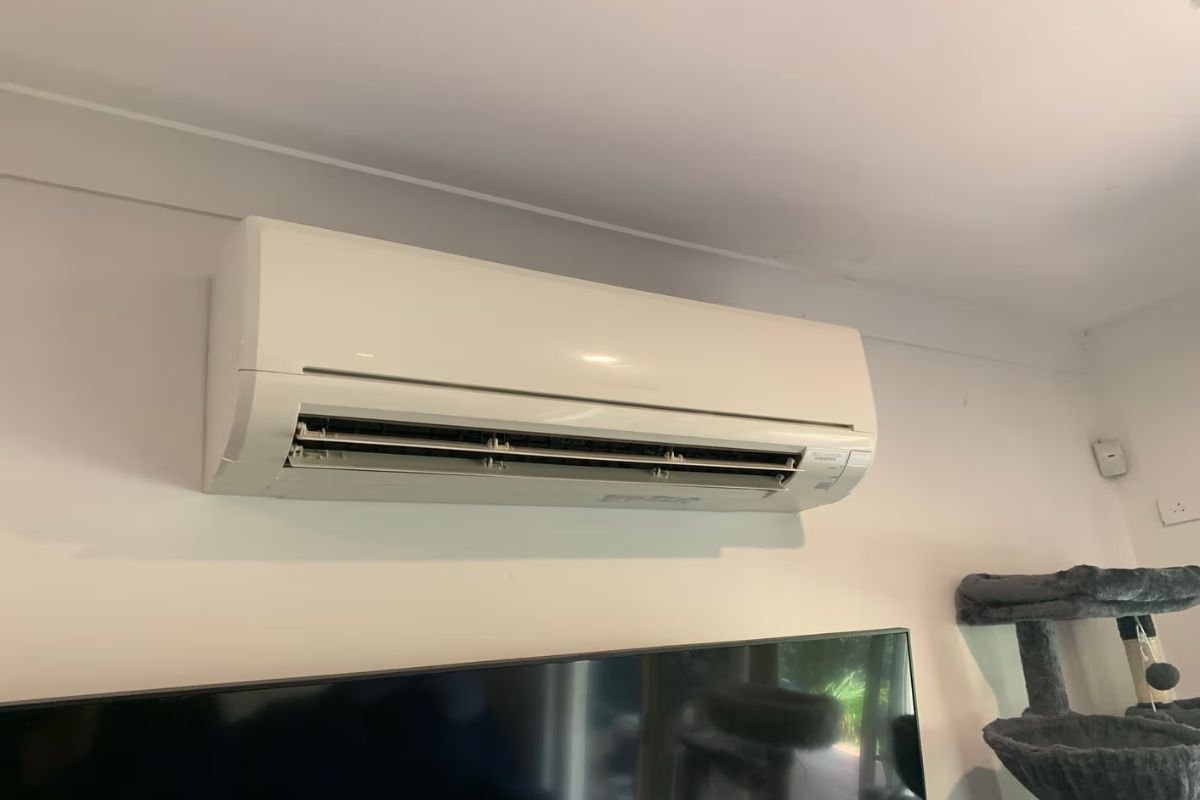
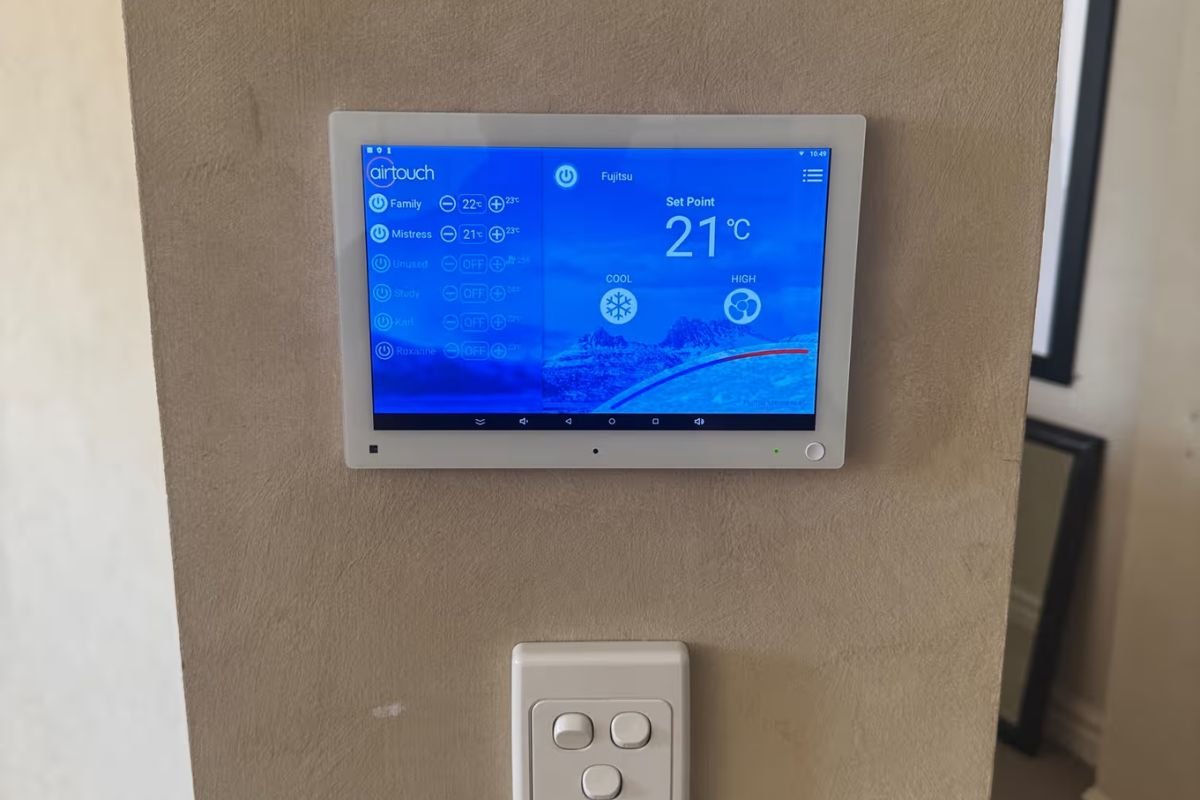
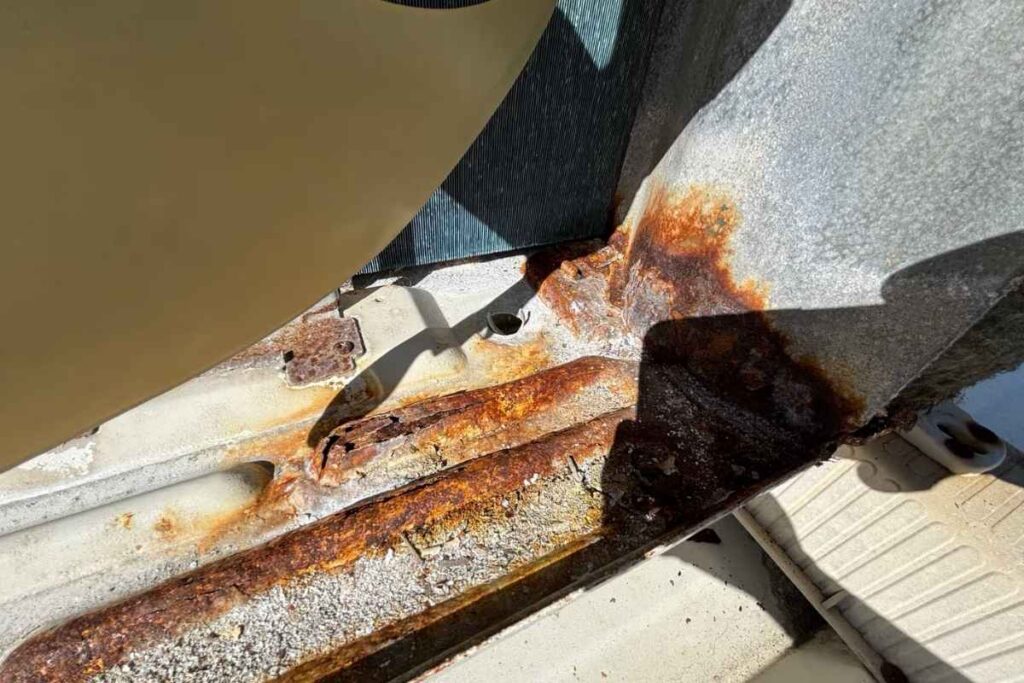
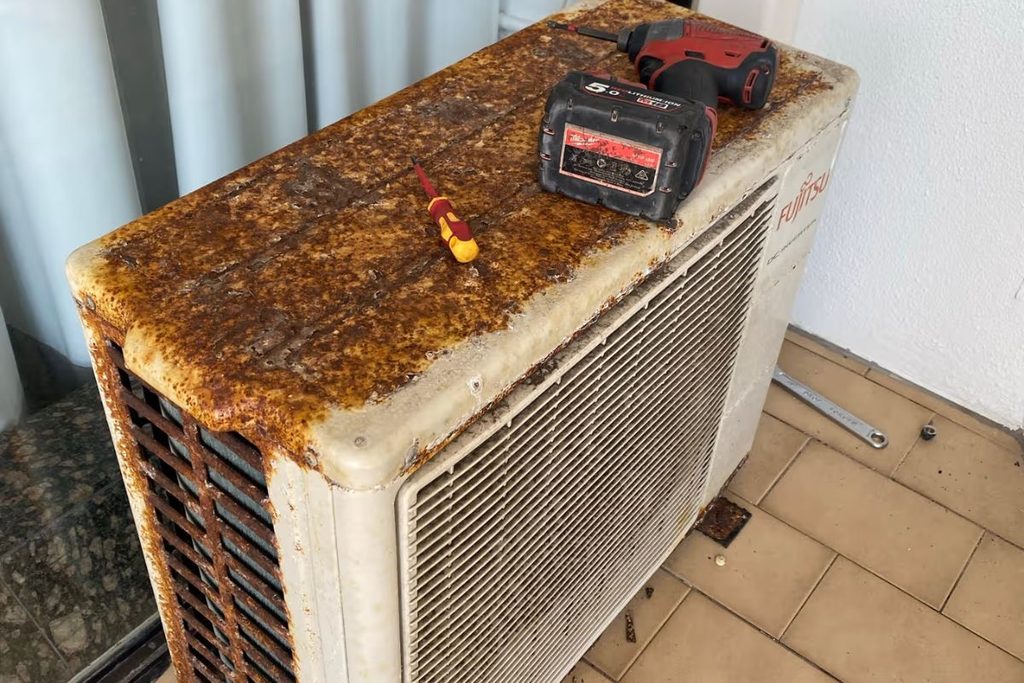
Salt air and air conditioning on the Gold Coast are a bad combination – and it shows up in a way most homeowners never see coming. If your aircon isn’t cooling the way it should, don’t assume it just needs a “gas top-up”. An air conditioner is a sealed system – the refrigerant is meant to circulate forever. So if it’s low on gas, it hasn’t been used up; it has leaked out. And on the coast, one of the most common causes is the same salt air that rusts your outdoor unit.
Table of contents
How salt air corrodes your copper even though it “doesn’t rust”
Copper doesn’t rust like steel, but it corrodes. In salty, humid coastal air two problems attack your refrigerant lines:
- Surface corrosion on exposed copper and at the flare joints where the pipe meets the outdoor unit.
- Formicary (“ant-nest”) corrosion – tiny tunnels that eat through the copper wall from the inside, creating pinholes you can’t see. It thrives in exactly the warm, moist, salty conditions we get near the beach.
One pinhole is all it takes for refrigerant to escape slowly, until the system can’t cool.
Signs your Gold Coast aircon is leaking gas (not just dirty)
- It runs all day but the room never really gets cold
- Ice or frost on the indoor unit or the copper lines
- Hissing or bubbling near the pipework
- Cooling that’s fine in a small room but hopeless on a hot day
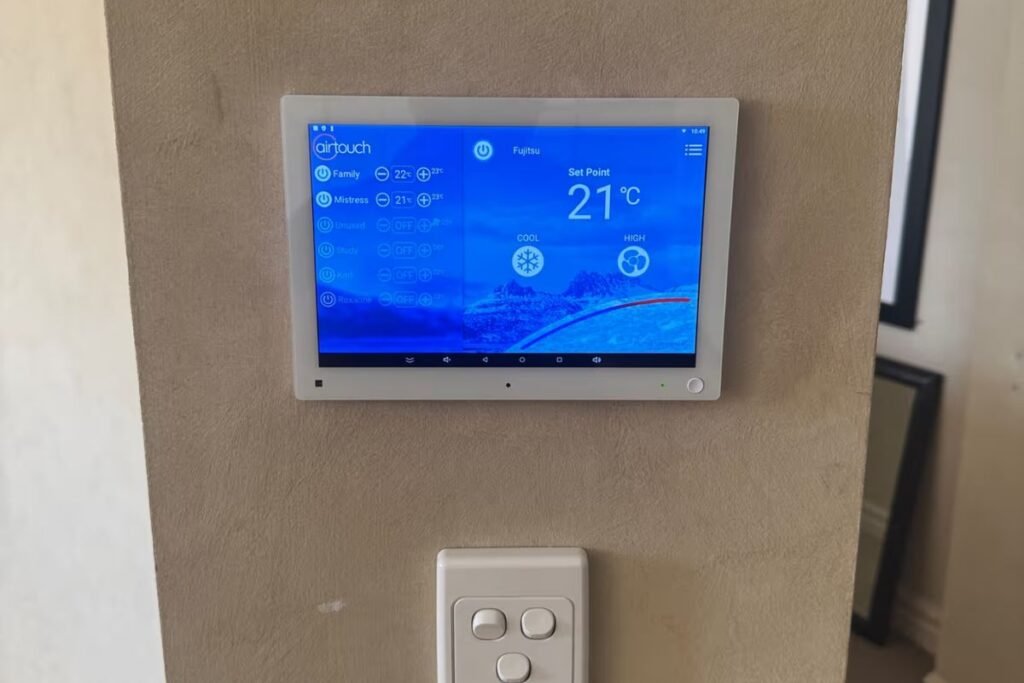
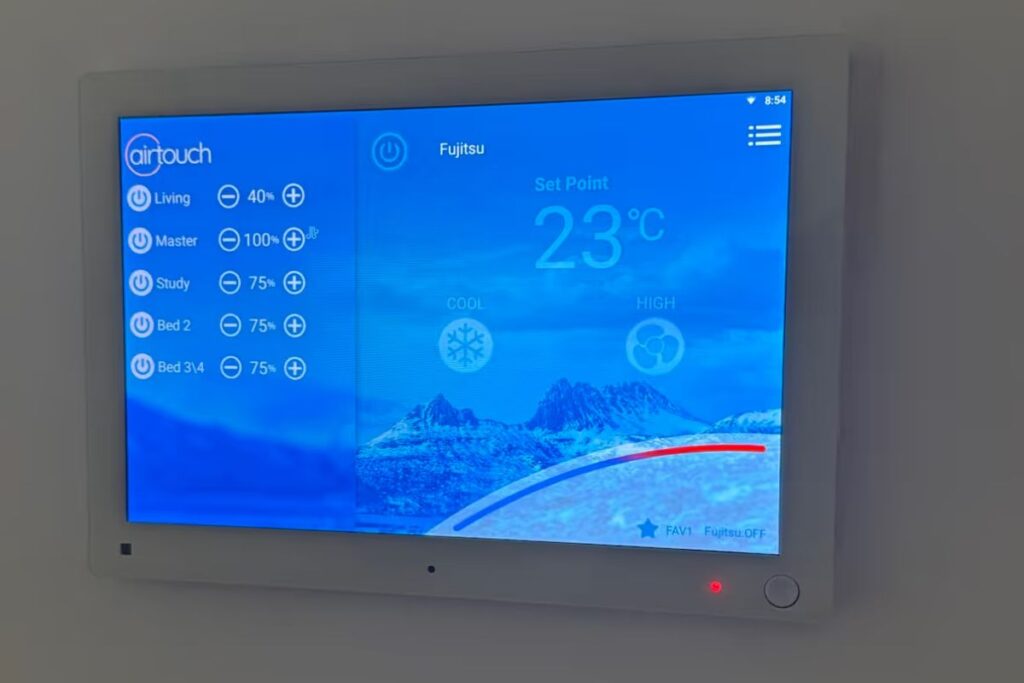
- An error code on the controller (many systems throw a low-pressure or “E0”-type fault when refrigerant drops)
- Power bills creeping up while comfort drops
Why “just recharge the gas” is a trap
An air conditioning gas recharge on a leaking system is like pumping up a tyre with a nail in it – it works for a while, then you’re back to square one, having paid for gas that’s now vented to the atmosphere (wasteful, and for many refrigerants environmentally harmful and regulated). The right approach is to find and fix the leak first, then recharge to the correct amount. A proper coastal repair includes leak detection – often an electronic sniffer or UV dye – so the cause is fixed, not the symptom.
Left alone, a leak kills the compressor
The compressor is the heart of the system and the most expensive part. It relies on refrigerant to stay cool and lubricated. Run it low for long enough and it overheats and burns out – at which point you’re often replacing the whole system. A pinhole caught in spring is a cheap air conditioning repair Gold Coast homeowners barely notice; the same leak ignored until January can become a brand-new aircon.
How to protect your refrigerant lines on the coast
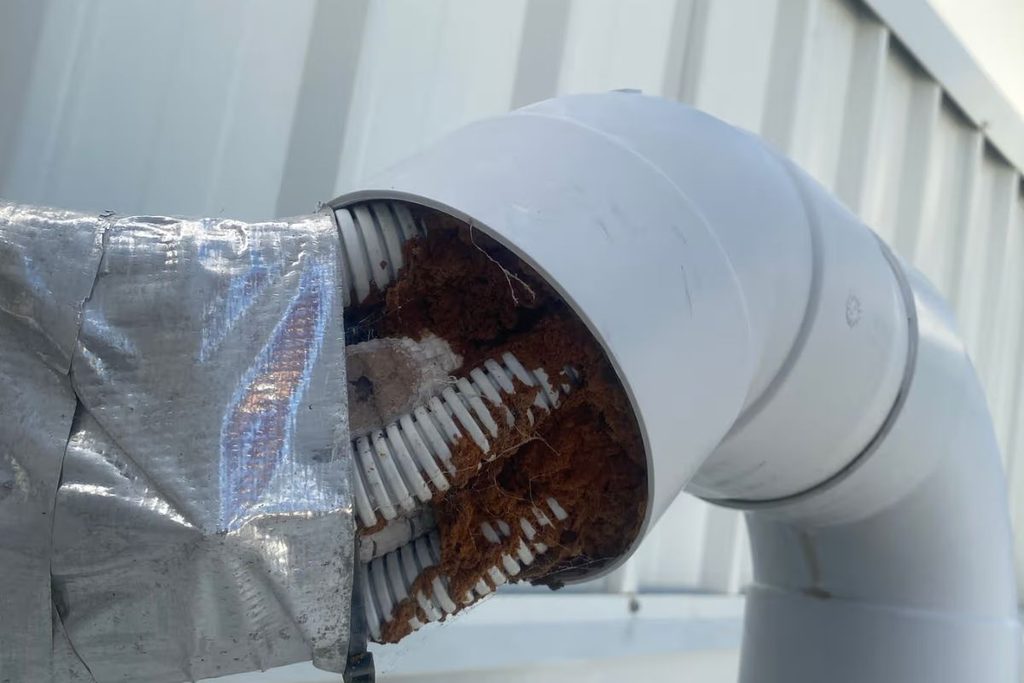
- Keep the line-set insulation intact – the black foam lagging shields the copper from salt, sun and moisture. Replace it if it’s cracked or missing.
- Have flare joints checked during your annual service.
- Don’t ignore reduced cooling – the earlier a leak is found, the more of your system you save.
- Book a pre-summer service so leaks are caught before the compressor is pushed hard.
Book with DEEPCHILL – family-owned on the Gold Coast since 1986, GENERAL National Dealer of the Year 2024 & 2025. Call 07 5526 0199 or request a free quote online.
FAQ
How do I know if my aircon is low on refrigerant or just needs a clean?
- Both cause weak cooling. A technician measures system pressures – low pressure points to a leak, poor airflow points to a dirty coil. On the coast it’s often both.
Is a gas top-up a permanent fix?
- No. If gas is low, it has leaked. Recharging without repairing the leak just delays the problem and wastes refrigerant.
Can salt air really cause a leak inside the pipes?
- Yes – formicary (“ant-nest”) corrosion can pierce copper from within, and coastal conditions make it more likely.