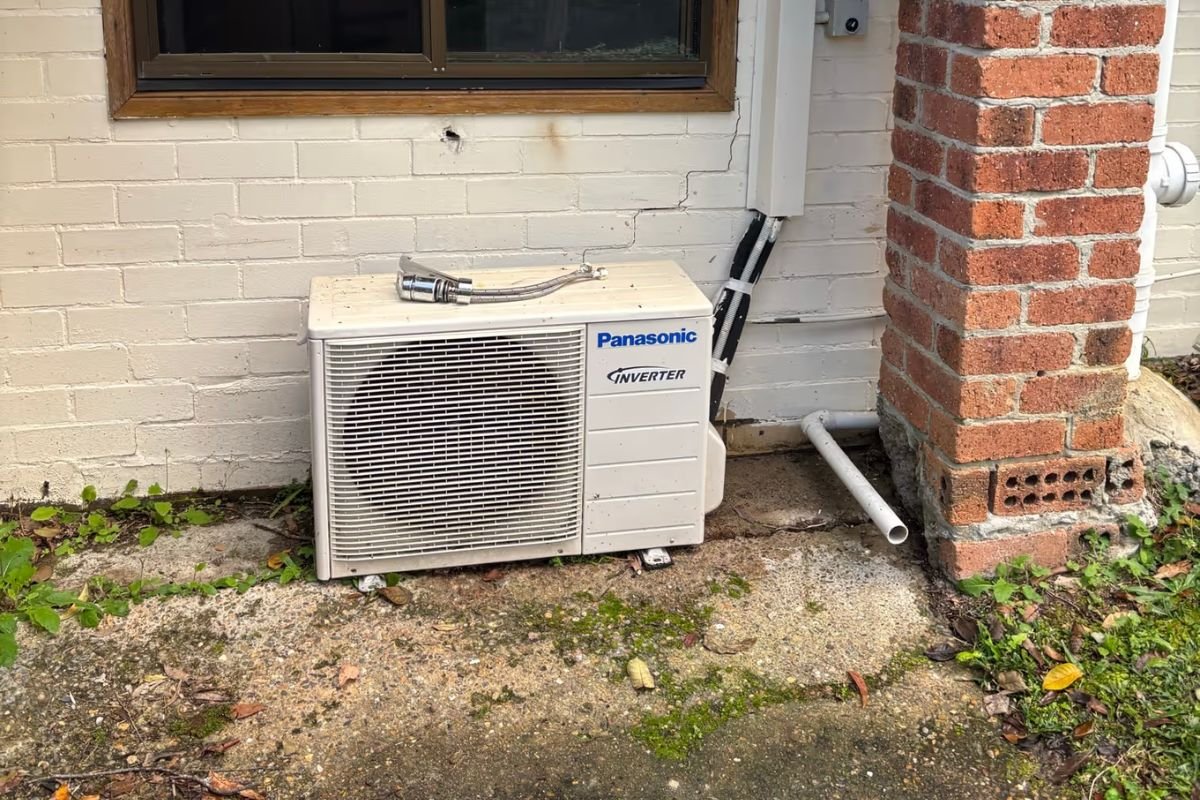
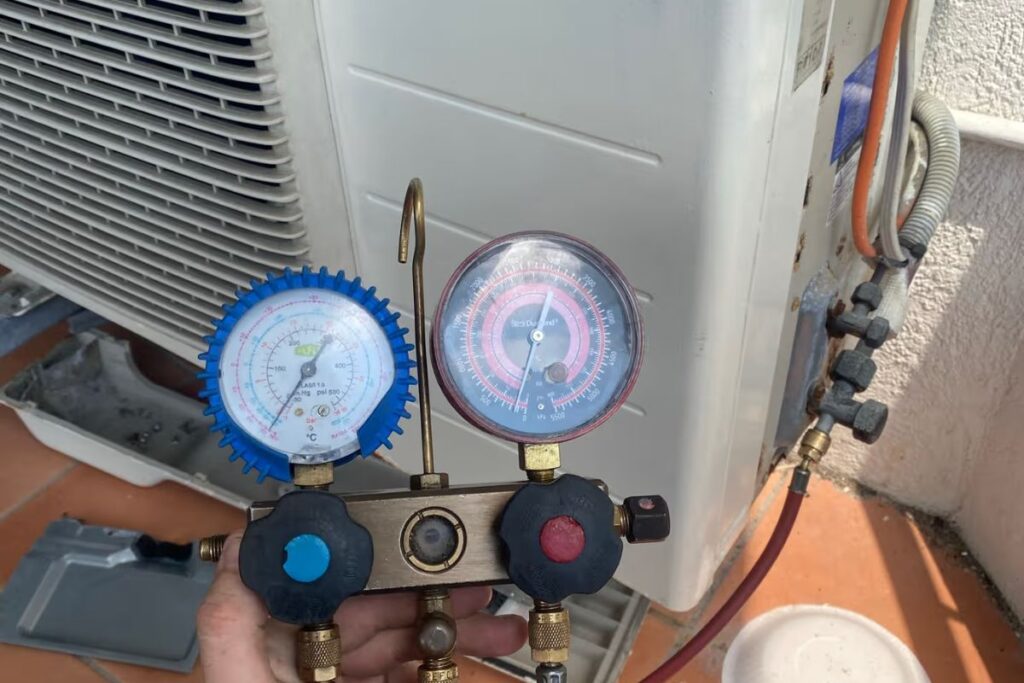
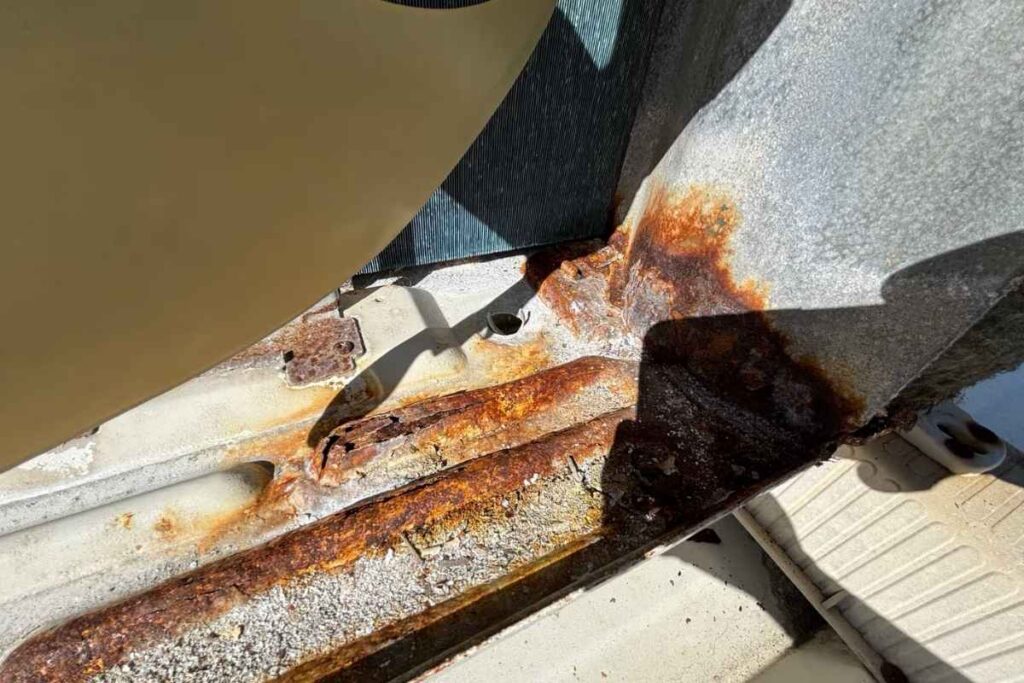
Your Gold Coast air conditioning outdoor unit sits quietly against the wall, doing its job. To geckos or a colony of ants, it looks like prime real estate. It’s warm, dry and sheltered, with plenty of tucked-away nooks. On the Gold Coast, the subtropical climate keeps pests active almost all year. That makes the outdoor unit one of the most common – and most overlooked – causes of aircon breakdowns. Here’s why pests love your system, the damage they do, and how to keep them out.
Table of contents
Why your outdoor unit is a magnet for pests
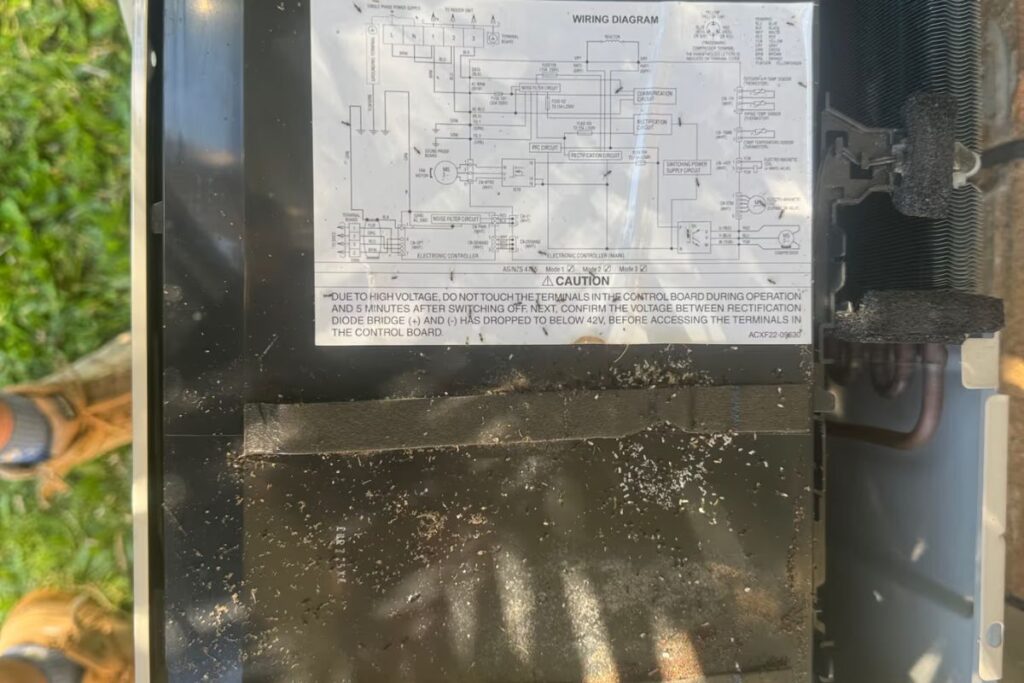
Everything a small creature wants is inside that box. The electronics give off gentle warmth. The casing keeps out rain and predators. The dark, still interior is perfect for nesting. Geckos squeeze through tiny gaps chasing insects and heat. Ants march in to build colonies. Add spiders, cockroaches and the odd rodent, and your condenser becomes a busy little ecosystem. Usually you don’t notice until something stops working.
Units near garden beds, mulch, tall grass or shrubs are the most exposed. The vegetation gives pests a direct bridge into the cabinet.
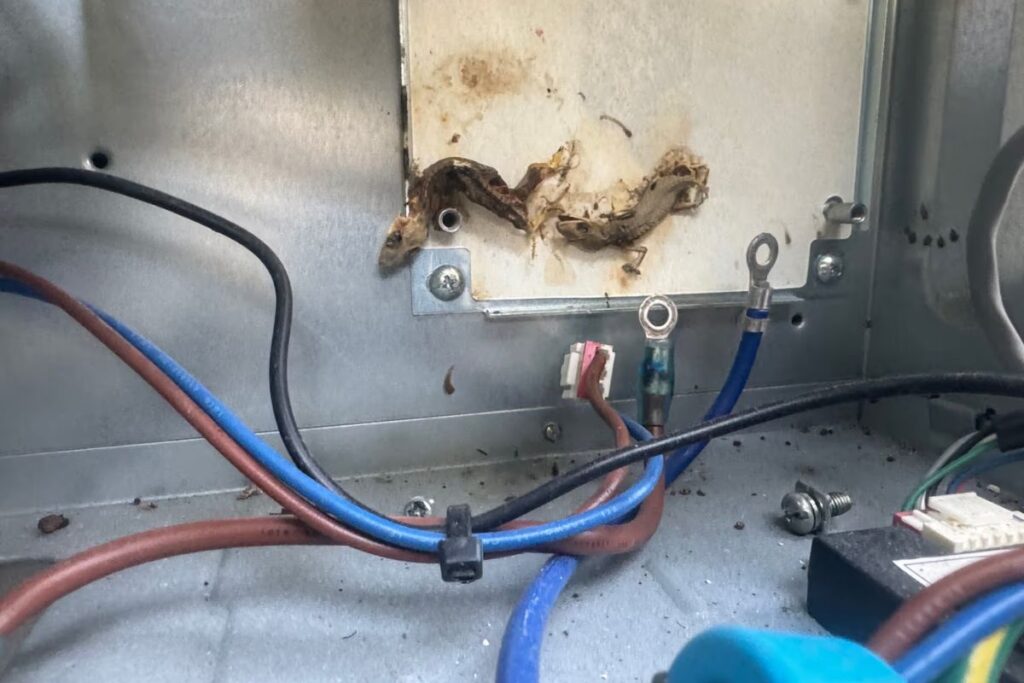
Geckos: small lizard, big electrical problem
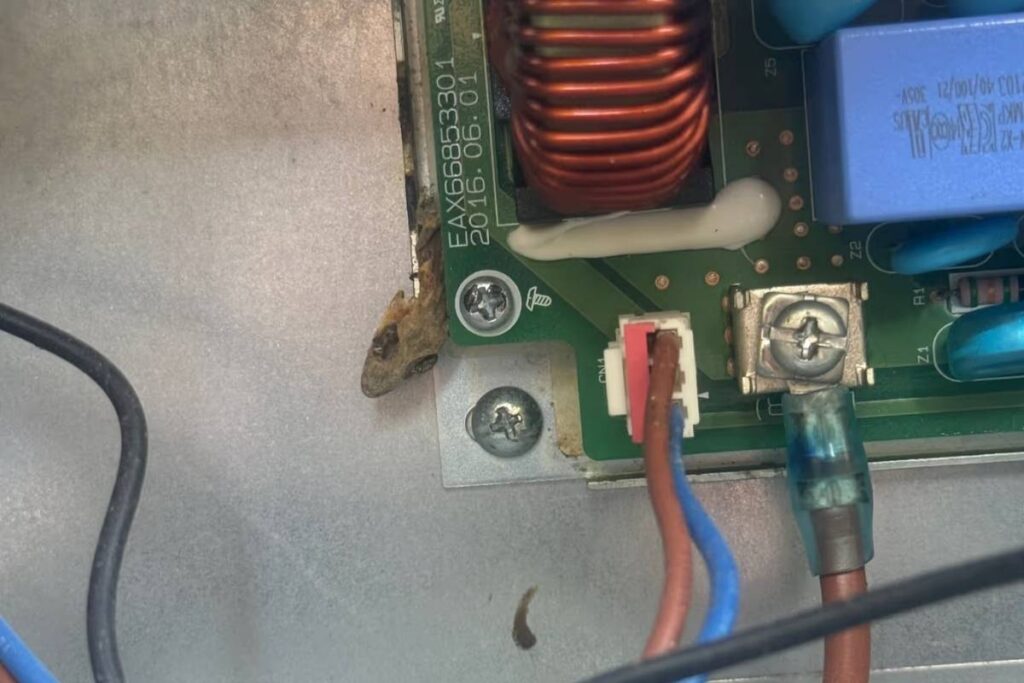
Geckos are the classic culprit. It’s not their fault – they’re just chasing warmth. The problem is where they end up. A gecko can crawl onto the circuit board (PCB) and bridge two terminals with its body. That causes a short circuit. It trips your system and often fries the control board. The issue is so well known in Queensland that gecko damage has even sparked warranty disputes.
We’ve covered the warning signs in a separate guide. If your system keeps cutting out, read the signs your air conditioner has a gecko problem. Here, the key point is the damage. And ants do it too.
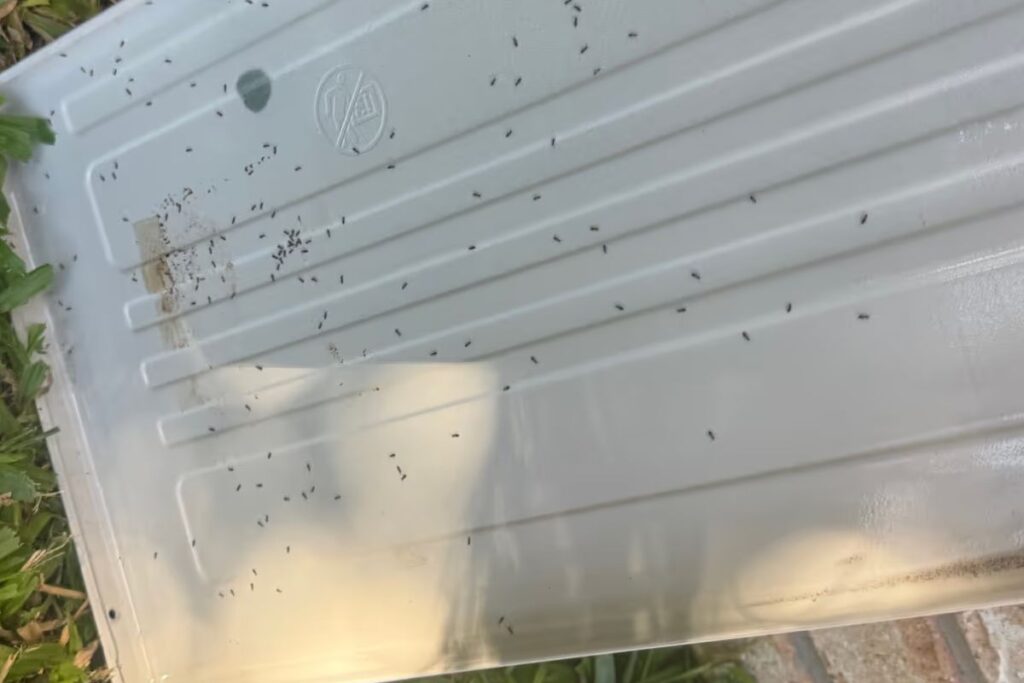
Ants: the corrosion and short-circuit specialists
Ants are arguably worse than geckos. They don’t visit – they move in. Several species common to South-East Queensland are drawn to the electrical current itself. They nest right inside contactors and on the circuit board. A few things then happen at once. Their bodies bridge contacts and cause short circuits. The colony and its debris corrode and clog the board. Their formic acid speeds up rusting of terminals and connections. Clear one nest, and another colony often moves straight back in.
The real damage pests cause
Whatever the pest, the harm falls into three buckets.
Corrosion. Droppings, dead insects, debris and acid eat away at boards, terminals and connections. It’s the slow killer that shortens your system’s life.
Short circuits and board failure. A body across two terminals is all it takes. The control board is one of the priciest parts. So a $2 gecko can become a several-hundred-dollar repair.
Blocked airflow. Nests, leaves and debris clog the cabinet and coil. That restricts airflow and forces the unit to run hotter. Your power bill climbs, and the compressor takes the strain.
“Why does my aircon keep tripping?”
Is your Gold Coast air conditioning system tripping the breaker or shutting itself down? Pests are one of the first things a technician checks. A short from a gecko or an ant nest trips the system as a safety response. You might also notice a faint burning or musty smell. If that’s your main symptom, here’s what a burning smell from your air conditioner can mean. Don’t just keep resetting it. Persistent tripping needs a proper look before the board is ruined.
What you can do to keep pests out
You can make your outdoor unit far less inviting. A few simple habits help.
Keep at least a metre of clear space around the unit. Trim back any plants, shrubs or grass that touch or overhang it. This removes the bridge pests use to get in. Clear leaves, mulch and debris from the base. Don’t store pots or clutter beside it. Check the unit every few months. Pay extra attention in the warmer, wetter months, when pests are most active.
One important caution. Don’t open the electrical cabinet yourself. Don’t spray insecticides or repellents onto the internal parts. Sprays around live electronics can cause their own faults. The cabinet should only be opened by a licensed technician. Safe, effective pest control inside the unit is done during a professional service.
Why an annual service is your best defence
The best way to stop pests wrecking your aircon is a yearly service. A technician opens the unit and clears out nests, droppings and debris. They check the board and terminals for corrosion or early damage. They also apply safe pest deterrents in the right spots. This catches an infestation while it’s cheap to fix – not after the board has failed.
DEEPCHILL’s air conditioning maintenance includes gecko and vermin treatment for this reason. If a pest has already caused a fault, our air conditioning repair team can sort it. We look after residential and commercial air conditioning across the Gold Coast. It works for one split system at home or a whole bank of commercial units. We keep the pests out and the cool air flowing.
Frequently asked questions
Can pests really damage my air conditioner?
- Yes. Geckos and ants are a leading cause of outdoor-unit faults. They short-circuit and corrode the control board and block airflow. That often leads to expensive repairs.
Why is my aircon tripping the power?
- A common cause is a pest bridging terminals on the circuit board. That trips the system as a safety cut-out. Repeated tripping should be inspected before the board is damaged.
How do I keep geckos and ants out of my outdoor unit?
- Keep a metre of clear space around it. Trim back nearby plants and remove leaves and debris. Don’t spray insecticide inside the unit yourself. Have deterrents applied during a professional annual service.
How often should I service my air conditioner?
- At least once a year. A yearly service clears out pests and debris. It also catches corrosion or board damage early. That’s far cheaper than a breakdown.