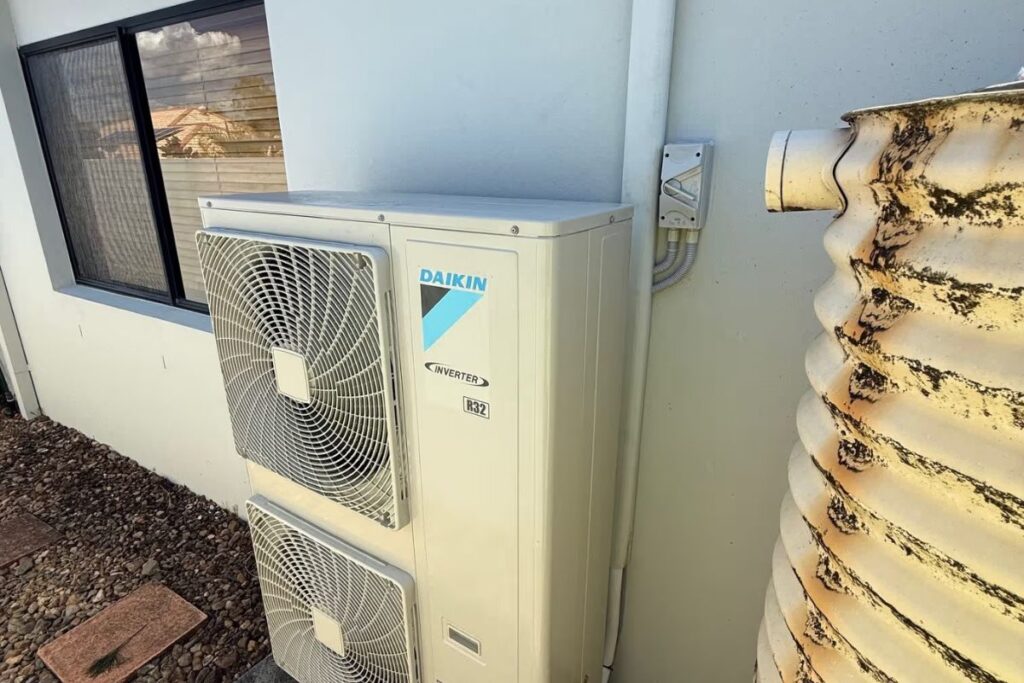
What temperature should you set for the whole house in winter? While Gold Coast winters are relatively mild, finding the perfect balance between cozy indoor comfort and affordable energy bills can be a challenge. According to DEEPCHILL – Air conditioning maintenance in Gold Coast, setting your residential air conditioning Gold Coast system between 18°C and 21°C is the magic range to keep your home warm without causing your electricity bill to skyrocket.
Table of contents
- Why 18°C to 21°C is the ultimate winter “comfort zone”
- The science behind the savings: Small changes, big discounts
- What different winter temperature settings actually feel like
- Does every room need the same temperature?
- Why reverse cycle air conditioning rules Gold Coast winters
- Why air conditioning maintenance matters before winter sets in
Why 18°C to 21°C is the ultimate winter “comfort zone”
When answering what temperature should you set your heating to, the 18°C to 21°C range is widely considered the sweet spot for Australian homes.
On the Gold Coast, our winters are relatively mild compared to the southern states. You don’t need your home to feel like a sauna; you just need to take the chill out of the air. Keeping your thermostat within this range ensures:
- Optimal comfort: Your living spaces stay warm enough for t-shirts or light jumpers.
- Lower system strain: Your air conditioner won’t have to work overtime, reducing wear and tear.
- Healthier air: Higher settings can dry out the indoor air, leading to itchy skin and irritated sinuses.
What happens if you go higher? Setting your system constantly above 22°C creates uneven heating zones, excessively dry rooms, and a noticeable spike in your power bill.
The science behind the savings: Small changes, big discounts
You don’t need to freeze to save money. In fact, understanding the science behind the savings comes down to just one or two degrees.
Data shows that raising your thermostat by just 1°C can increase heating energy consumption by up to 10%.
By choosing a smart temperature for the whole house – like 20°C instead of 24°C – you could save hundreds of dollars over the chilly season. However, actual savings will always depend on your home’s insulation, ceiling height, and the efficiency of your air conditioning Gold Coast system.
What different winter temperature settings actually feel like
To help you choose the best setup for your household, here is a quick breakdown of how different settings perform in reality:
24°C and above (The energy drainer)
It feels instantly warm and cozy on a freezing morning, but it’s highly inefficient. It dries out indoor air quickly and forces your system to run at maximum capacity.
22°C to 23°C (The cozy compromise)
Comfortable, but still relatively expensive to maintain all day. This setting is best reserved for households with newborns, elderly family members, or those recovering from illness.
20°C to 21°C (The golden standard)
This is the ideal temperature for the whole house during the day. It delivers a perfect balance: the rooms feel naturally warm, and your electricity meter won’t spin out of control.
18°C to 19°C (The eco-friendly sleep zone)
Slightly cooler but perfect if you are wearing winter loungewear or snuggling under a blanket. This is also the healthiest range for sleeping areas.
Below 18°C (The chilly range)
While budget-friendly, most people find this uncomfortably cold mornings and evenings. It can also increase condensation and moisture buildup in coastal Gold Coast homes.
Does every room need the same temperature?
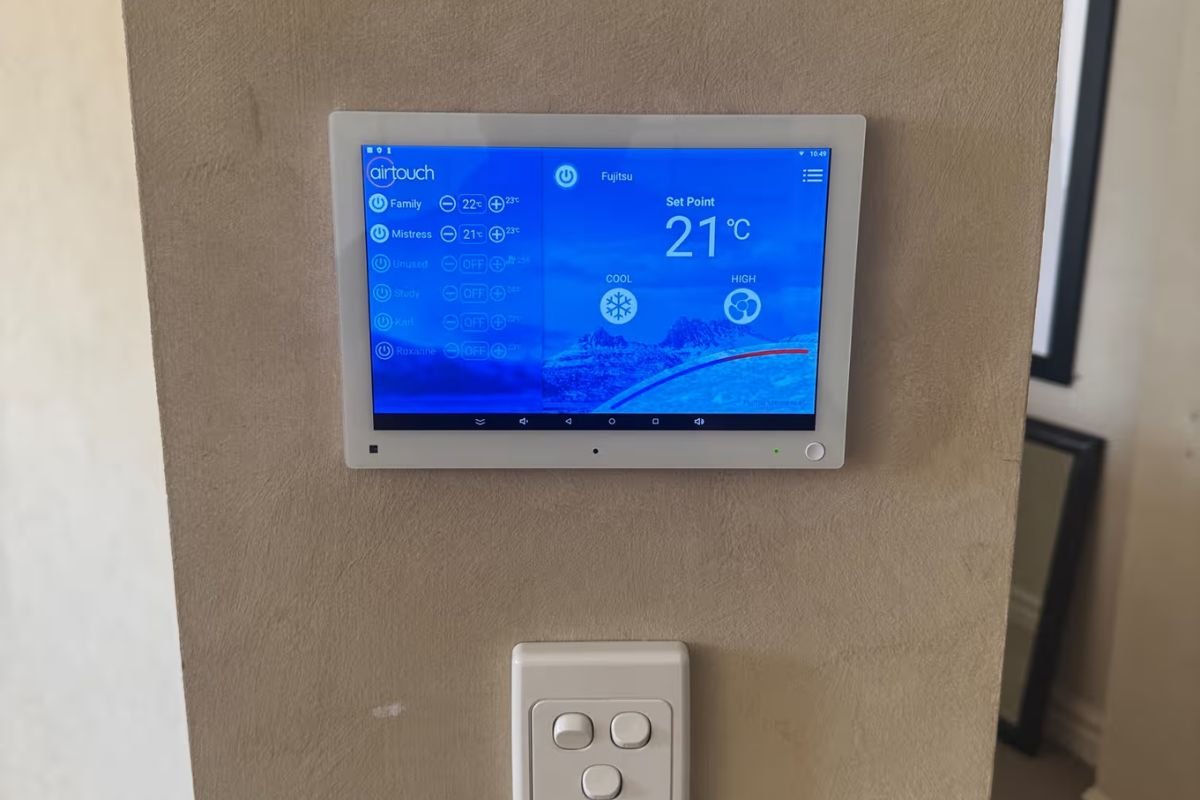
Not necessarily. Modern reverse cycle air conditioners – especially ducted systems – allow for zoning, meaning you can tailor the climate to how you actually use your home.
- Living areas (20°C – 21°C): Where the family gathers in the evening.
- Bedrooms (18°C – 19°C): The human body sleeps better in a slightly cooler environment.
- Bathrooms: May require temporary, localized warmth during early mornings.
By utilizing zoning, you only heat the spaces you occupy, driving your running costs down even further.
Why reverse cycle air conditioning rules Gold Coast winters
Most modern homes on the coast rely on reverse cycle systems for winter warming. Unlike portable space heaters that generate raw heat (and consume massive amounts of power), a reverse cycle system absorbs ambient heat from the outside air and moves it indoors.
This heat-transfer process makes them incredibly energy efficient. However, to get the absolute most out of your system, it needs to be in peak condition. This is why local families rely on professional DEEPCHILL services for seasonal check-ups and regular system care.
Why air conditioning maintenance matters before winter sets in
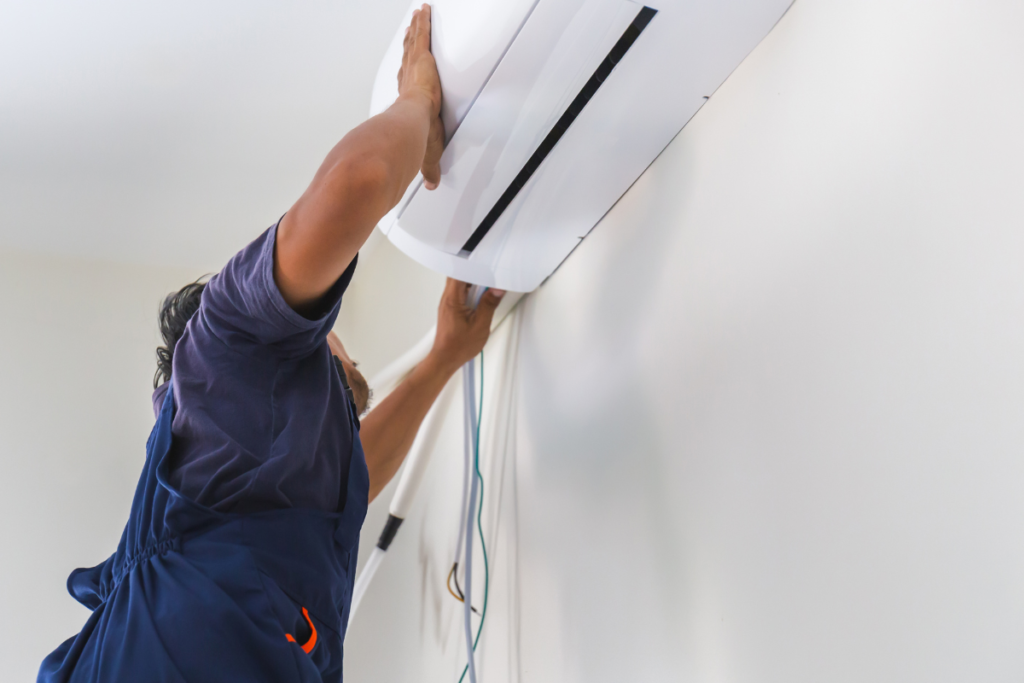
If your system has a clogged filter or a worn component, it will struggle to reach the temperature for the whole house that you’ve selected. It will run longer, consume more electricity, and heat your home unevenly.
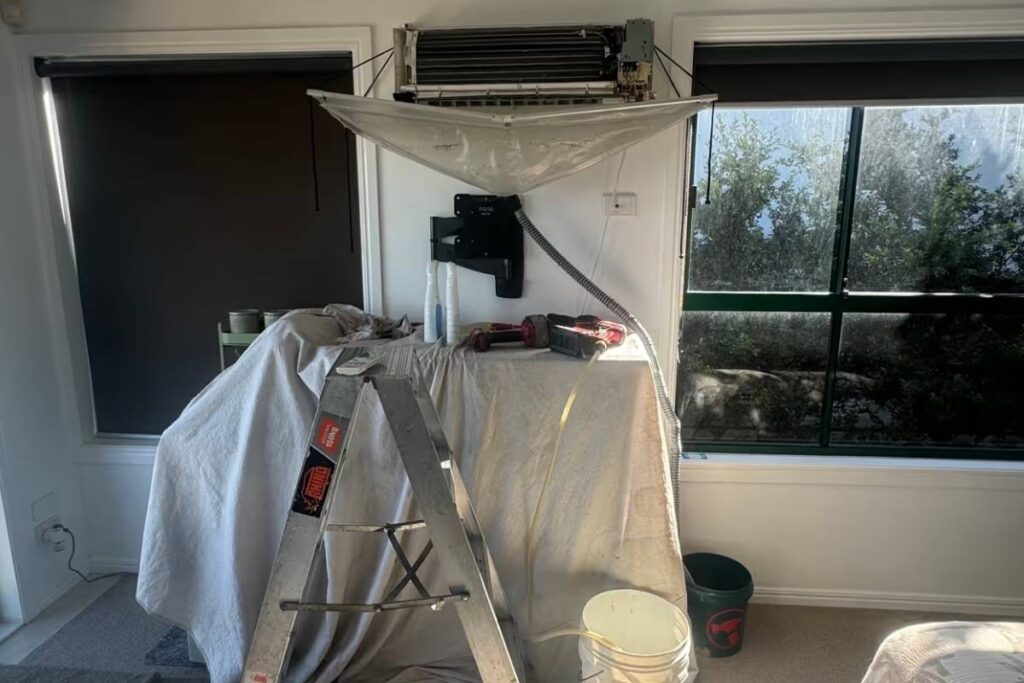
Booking a professional air conditioning maintenance Gold Coast service ensures your system is ready for the seasonal shift. A standard winter service includes:
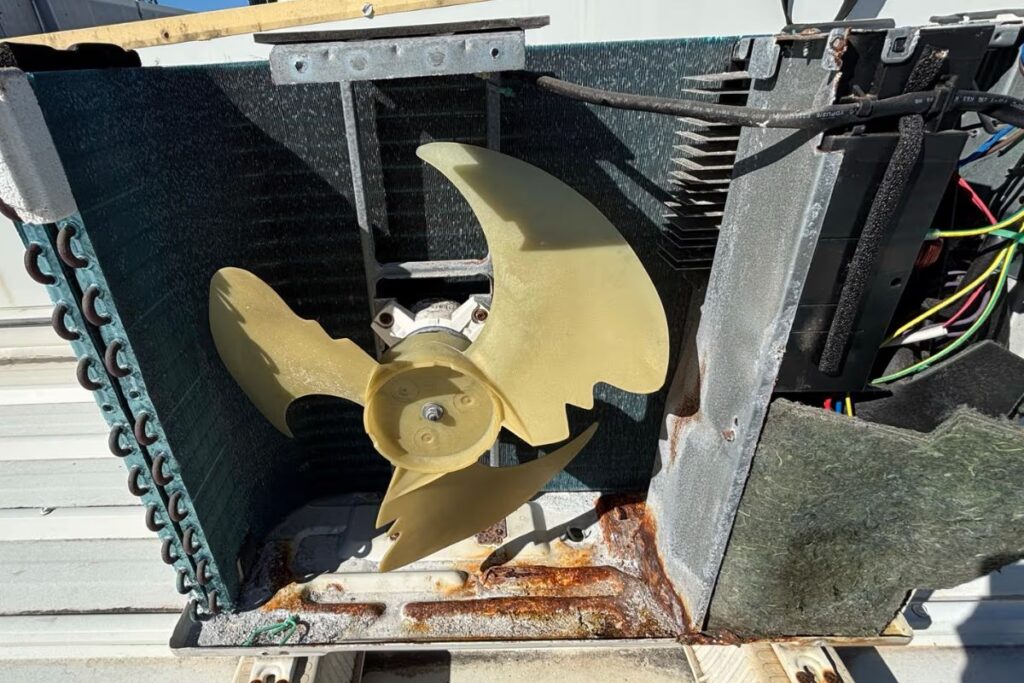
- Deep cleaning filters and coils to improve airflow and air quality.
- Checking electrical connections and thermostat accuracy.
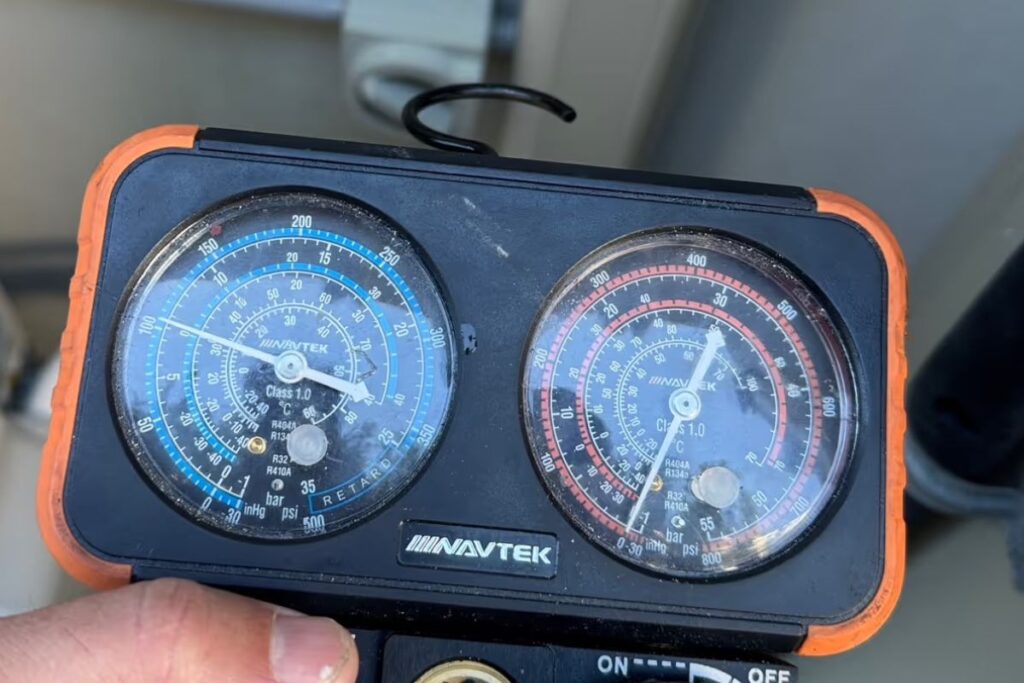
- Inspecting refrigerant levels to ensure efficient heat transfer.
- Identifying minor wear and tear before it turns into an expensive breakdown.
For coastal properties, regular AC maintenance in Gold Coast is the single best way to protect your investment, maintain your manufacturer’s warranty, and keep electricity costs low.