Home > Q&A > Air Conditioning Near The Beach: What To Know Before You Buy
Air Conditioning Near The Beach: What To Know Before You Buy
August 30, 2026
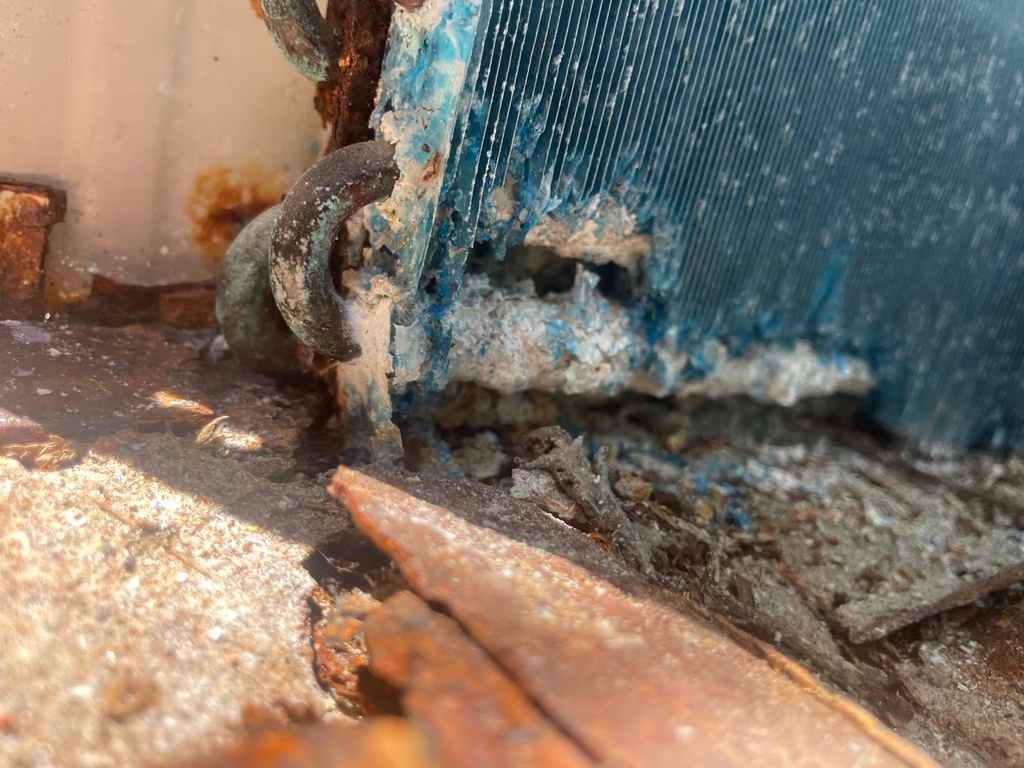
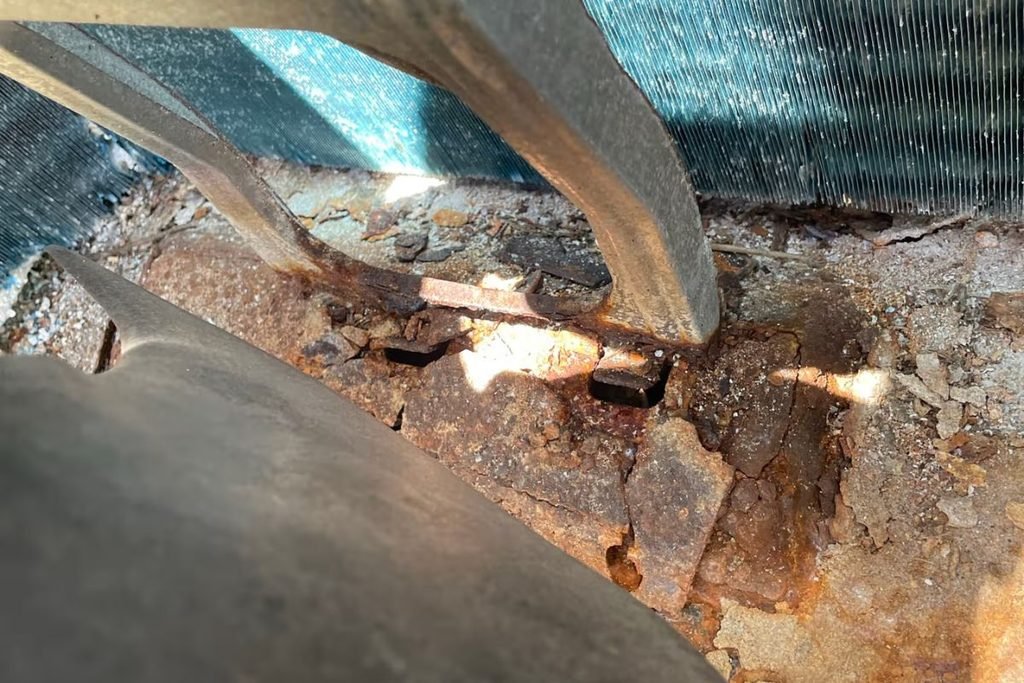
Air conditioning near the beach on the Gold Coast faces one thing inland homes don’t: relentless salt. If you’re replacing a corroded old unit or fitting out a new coastal home, the biggest factor in how long it lasts isn’t the badge on the box – it’s how well the system is built and installed to survive that salt. Get it right and you’ll gain years of life for a small amount extra up front. Here’s what actually matters near the beach.
What air conditioning near the beach really needs: a corrosion-resistant coil
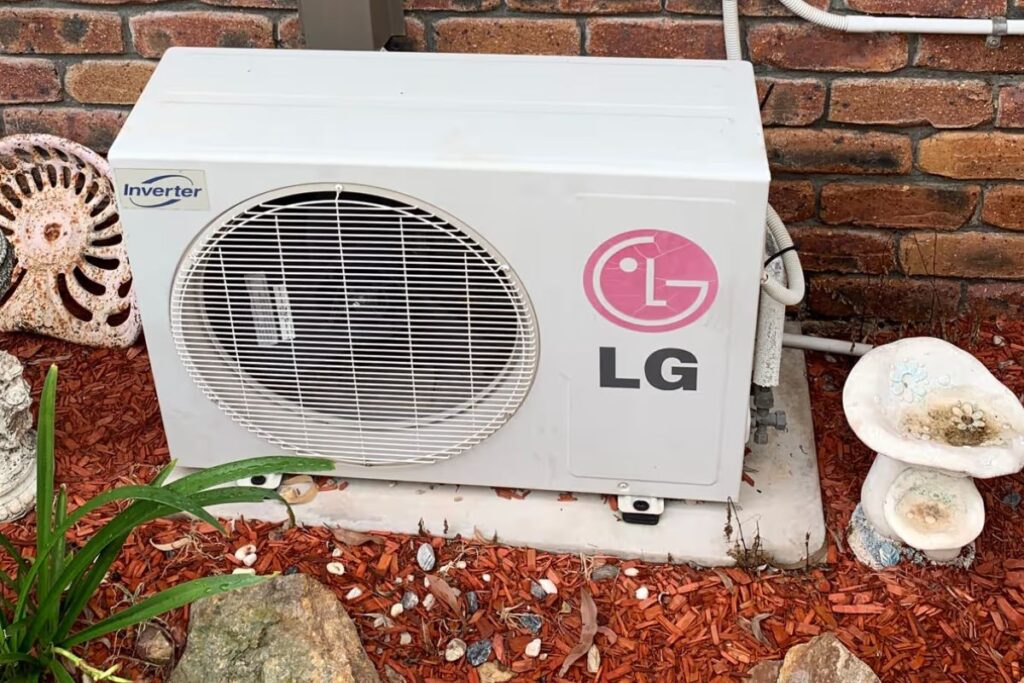
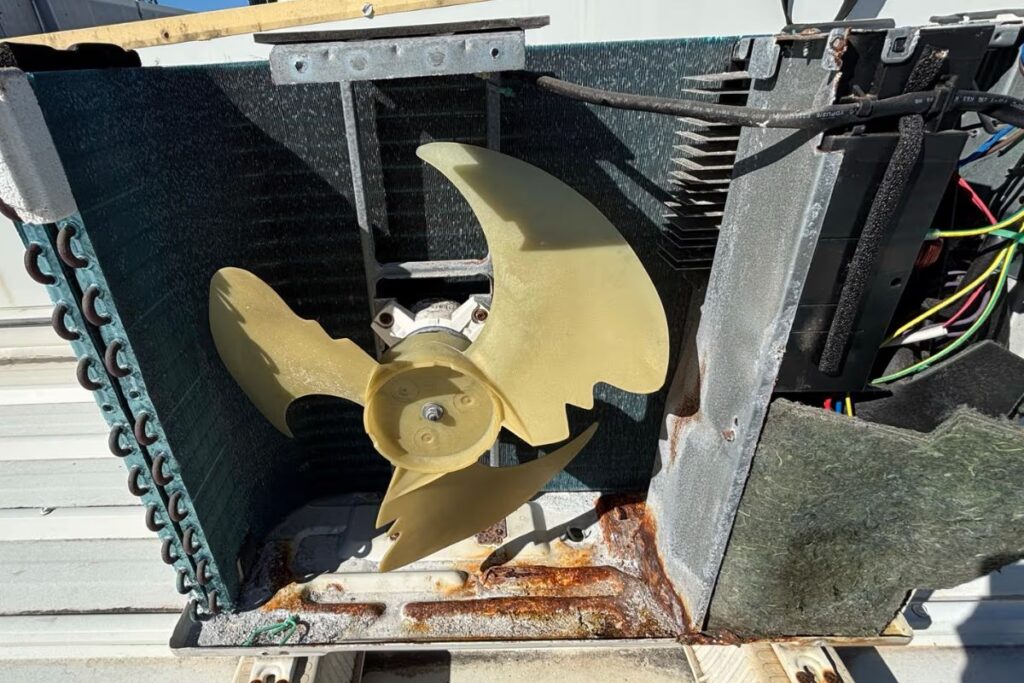
This is the big one. The outdoor coil is what salt attacks first, so a factory anti-corrosion coated coil – often marketed as “blue fin” or “gold fin” – is worth prioritising. The coating puts a barrier between salt and metal, slowing corrosion far more than a bare coil. Ask specifically: does this model have a coastal / anti-corrosion coated coil? Not every model in a range does.
Check the cabinet and hardware
Salt attacks fasteners and panels too. Better coastal units use corrosion-resistant cabinet treatments and hardware – worth asking about, especially for exposed roof mounts.
Size the system correctly
Too small and it runs flat-out and wears fast; too big and it cycles inefficiently and controls humidity poorly (humidity matters a lot on the coast). Correct sizing – based on room size, aspect, insulation and glazing – keeps a new air conditioner comfortable, efficient and long-lived. This is where professional design beats a hardware-store guess.
Reverse-cycle is the coastal all-rounder
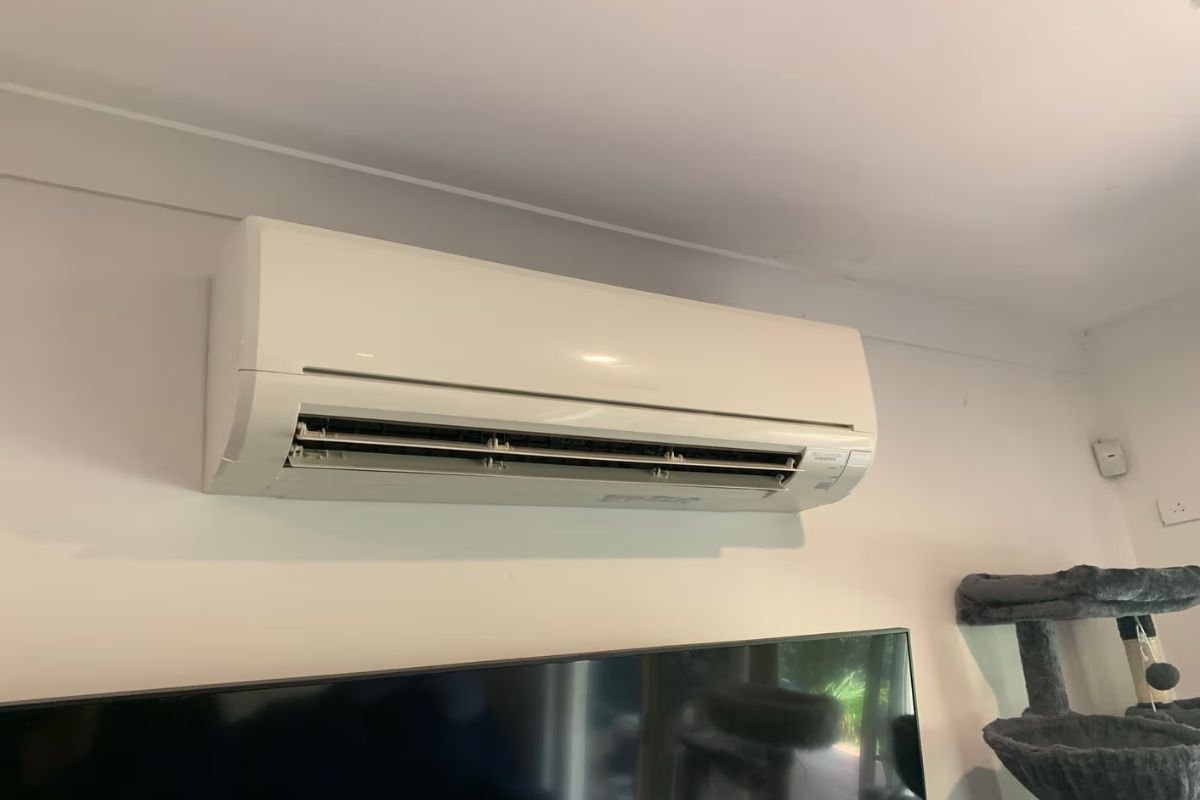
Gold Coast winters are mild but not warm, and reverse cycle air conditioning gives efficient heating and cooling from one unit — fewer machines outside means less exposed metal to corrode and maintain. A split system suits single rooms or apartments; ducted suits whole homes.
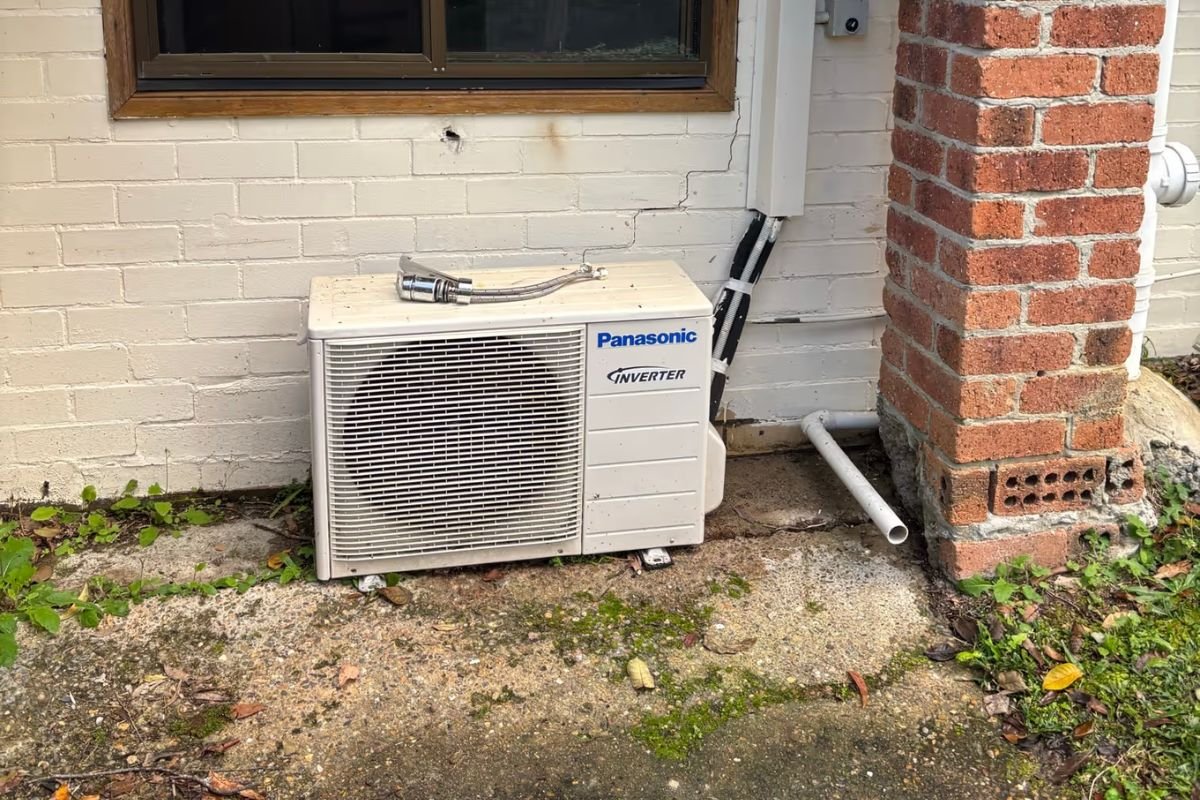
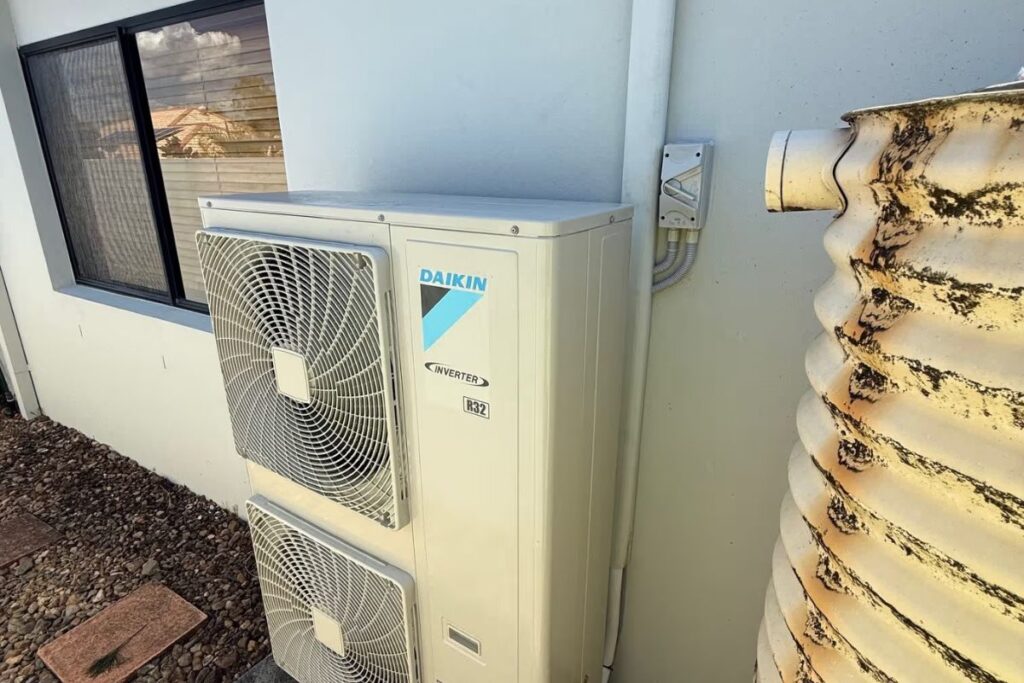
Elevating and orienting the outdoor unit to reduce direct salt-spray exposure
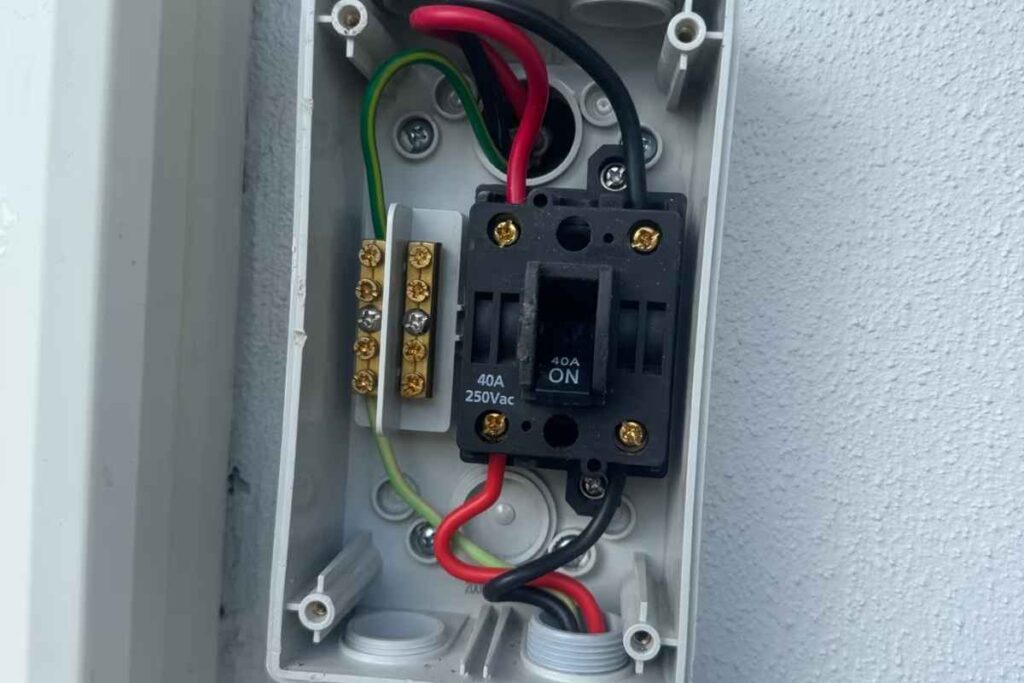
Weatherproofing the electrical and pipework, with quality lagging on the copper lines
Clearance for airflow and for easy rinsing and servicing
Secure, corrosion-resistant mounting — vital for roof installs in strong wind
A great machine in the worst salt-blast spot won’t last. Placement is a skill, not an afterthought.
Buy from a local team that backs it
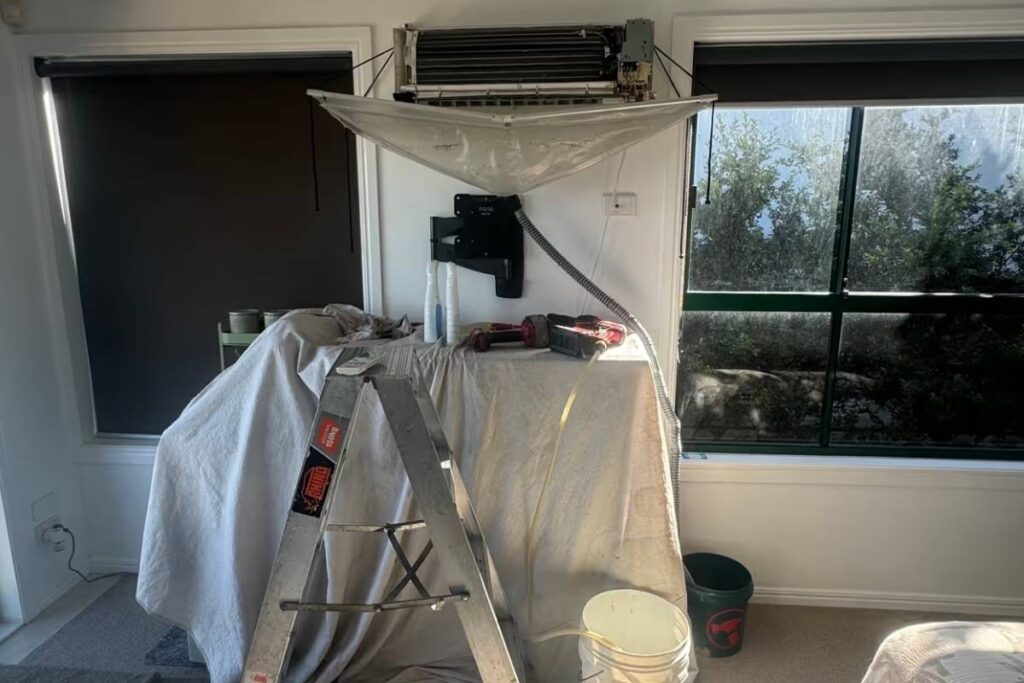
Warranties matter, but so does who installs and services the unit. A local Gold Coast team will size it right, install it to survive salt, and handle the six-monthly servicing coastal aircons need. Choosing a recognised, well-supported brand – such as General (Fujitsu) or Daikin – through an accredited local dealer also protects your warranty. DEEPCHILL is proud to be GENERAL National Dealer of the Year 2024 & 2025.
And time it right
Late August to September is the ideal install window – mild weather, no summer queue, and your system is tested before the first heatwave. (See our guide to the best time to install air conditioning on the Gold Coast.)
What’s the best type of air conditioner for a beachside home?
A reverse-cycle system with a factory anti-corrosion (coated) condenser coil, correctly sized and installed with coastal weatherproofing. Coating and install quality matter more than the badge.
Are salt-resistant air conditioners worth the extra cost?
On the coast, yes – the small premium is repaid in extra years of life and fewer corrosion repairs.
How long should a coastal aircon last?
With a coated coil, correct installation and six-monthly servicing, many years – but salt shortens the life of any neglected or poorly installed unit.