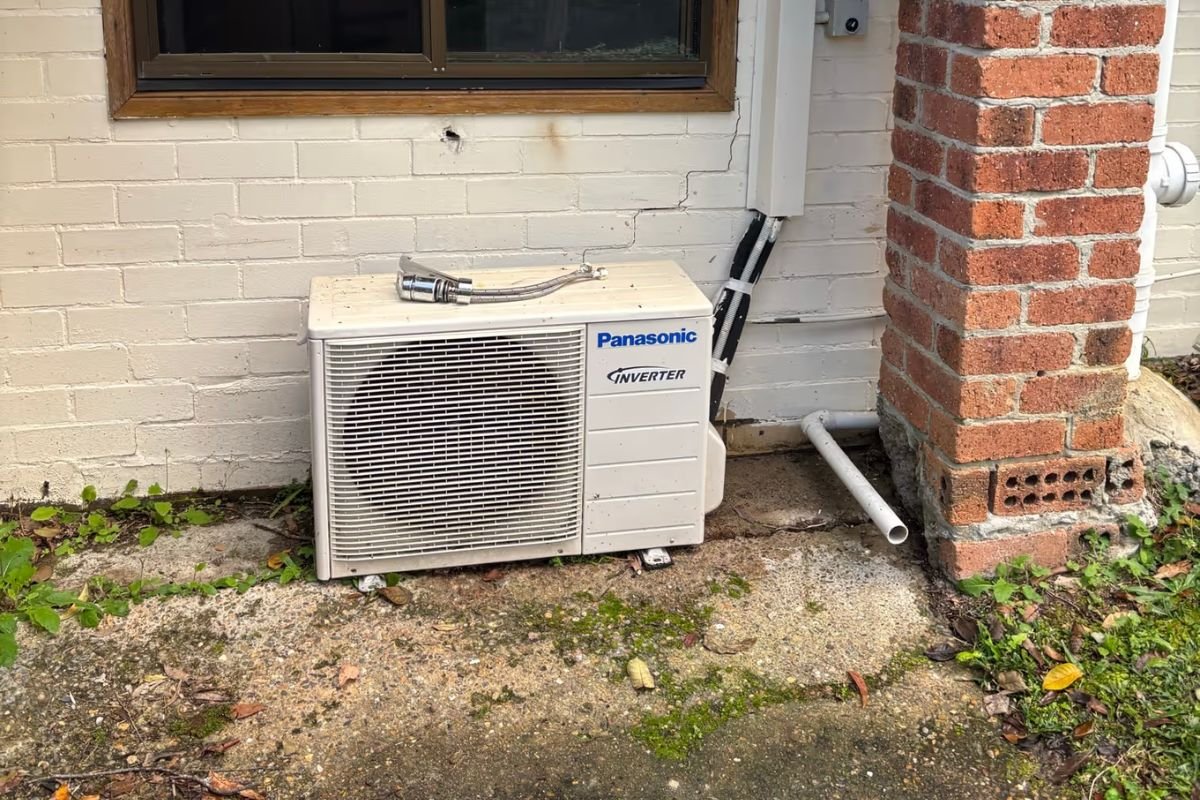
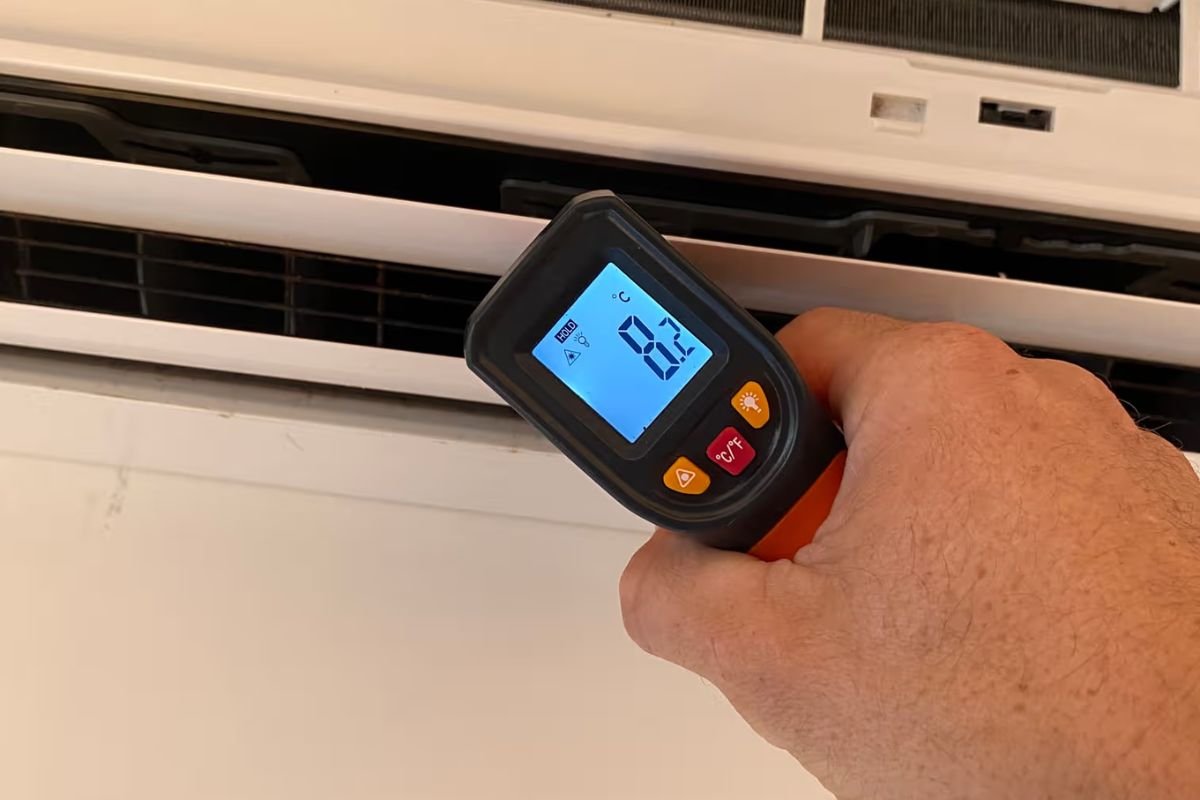
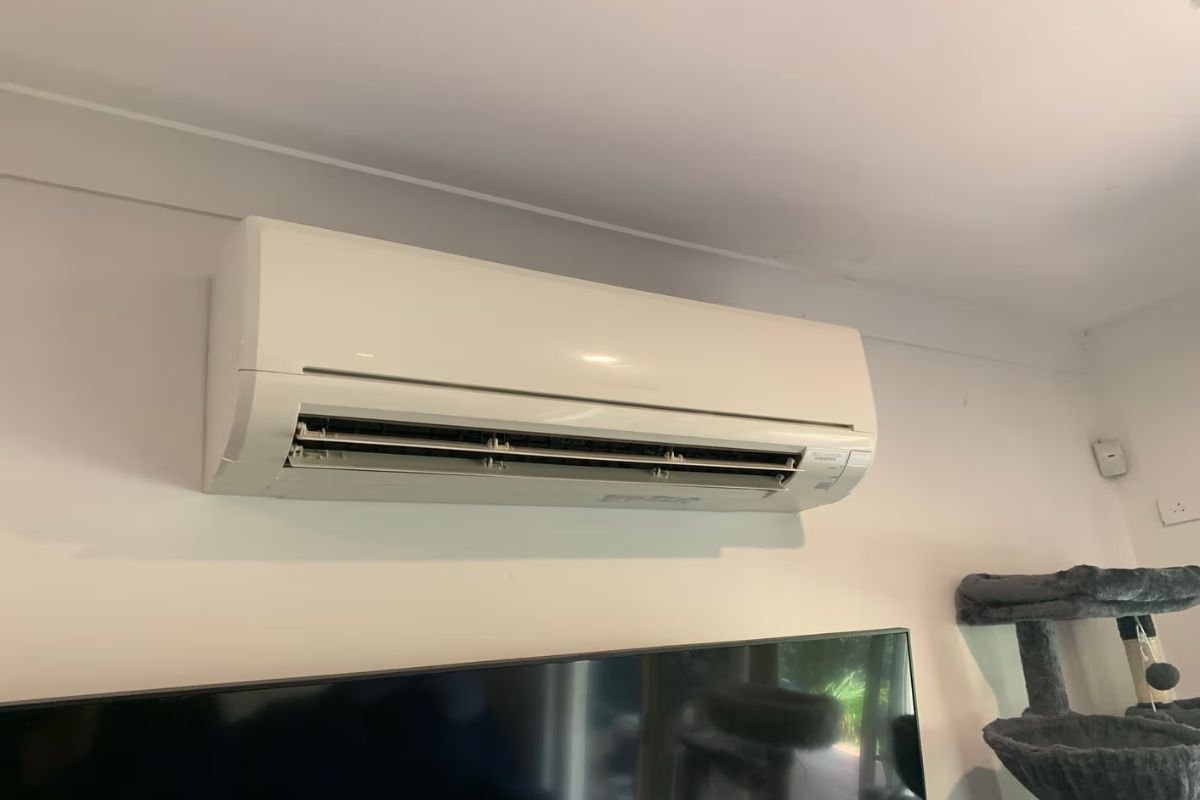
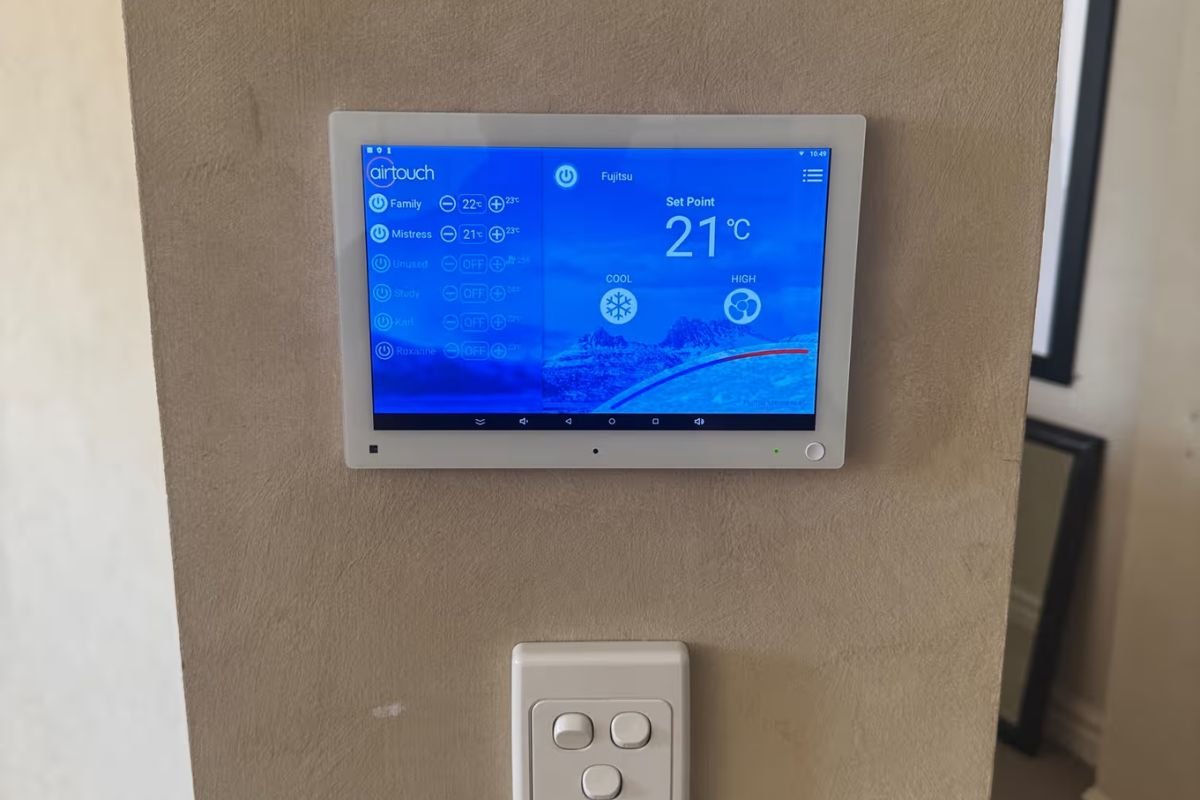
During extreme weather, you may notice your AC working harder than usual, running nonstop or cooling less effectively. This is often a sign of an overloaded air conditioner in hot weather. Understanding why it happens and how to handle it with DEEPCHILL, your trusted air conditioning Gold Coast service.
Table of contents
2 signs of an overloaded air conditioner in hot weather
Air conditioner not cooling well
When your air conditioner isn’t cooling properly, the room takes longer to get cool or the air feels weaker than usual. This often happens when the weather outside is extremely hot, causing the system to work nonstop to keep your room comfortably cool.
Automatic shut-off when outdoor temperature is too high
Most modern air conditioners work best and most efficiently when the outdoor temperature is below 45°C. This limit can vary depending on the brand and model.
If the outdoor temperature goes beyond the safe level, the system will automatically shut off to protect the compressor and other components. This helps prevent damage or potential overheating and fire risks.
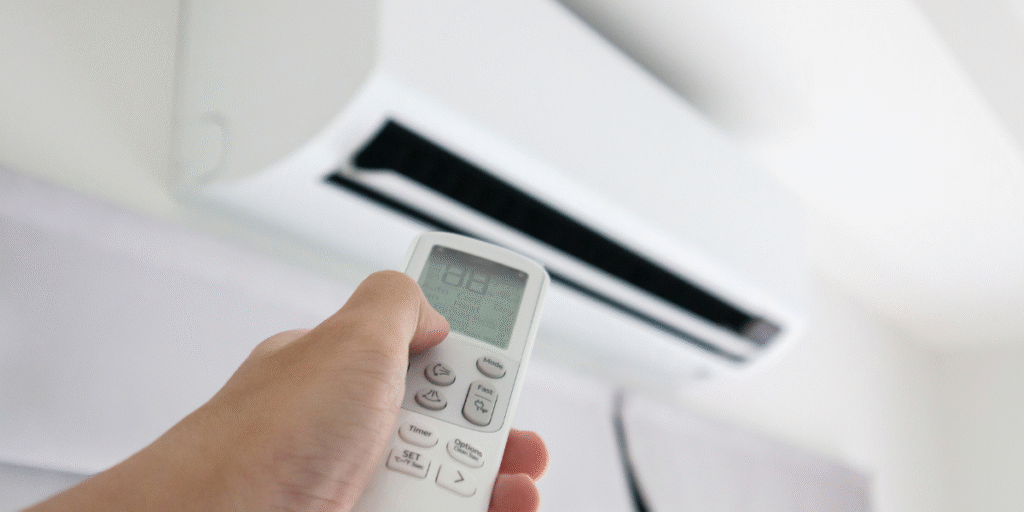
Top 5 reasons why your air conditioner overwork during heatwaves
When the summer heat hits hard, your air conditioner has to work much harder than usual to keep your home cool. If it’s running non-stop or not cooling properly, it might be overloaded. Here are the most common reasons why this happens:
High outdoor temperatures put extra pressure on the system
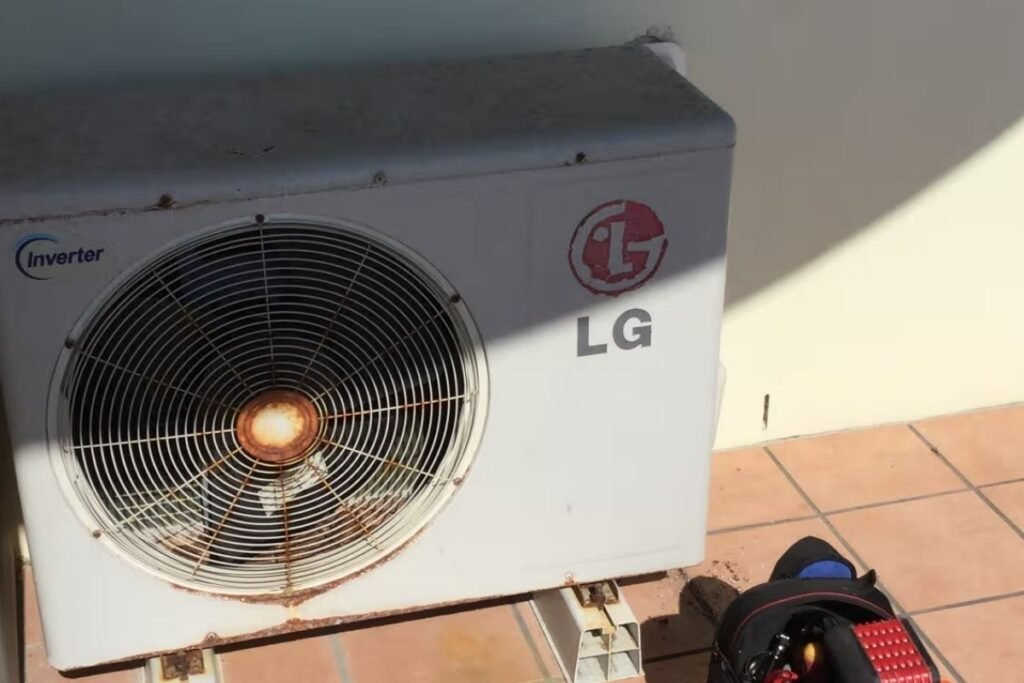
During heatwaves, the Gold Coast air becomes extremely hot, making it harder for your air conditioning to release heat. Therefore, the system runs continuously to maintain the set temperature. This constant operation puts heavy strain on key parts like the compressor and condenser coil, which can easily cause your air conditioner to overheat or shut down.
The air conditioner is too small for the room
If your air conditioner’s capacity is smaller than the size of your room, it will have to work non-stop just to keep the temperature down. This not only increases your energy bills but also risks overloading the system. Experts recommend choosing the right air conditioner size for your room area to ensure efficient and safe cooling:
Running the air conditioner 24/7
Continuous operation doesn’t give the system time to rest, which makes it overheat faster, especially when outdoor temperatures are already high. Over time, this can damage internal components or even lead to electrical hazards.
Setting the temperature too low can cause overloaded air conditioner in hot weather
Many people lower their thermostat below 26°C to cool the room faster. However, this forces the air conditioner to work at maximum power for long periods, leading to overload. It also increases electricity usage and can affect your health, causing thermal shock or respiratory problems due to sudden temperature changes.
Dirty or poorly maintained air conditioner
Dust buildup on filters, coils and fan blades blocks airflow and makes your system work harder than necessary. When the air can’t circulate properly, the unit struggles to cool efficiently, which puts extra stress on the compressor and other parts.
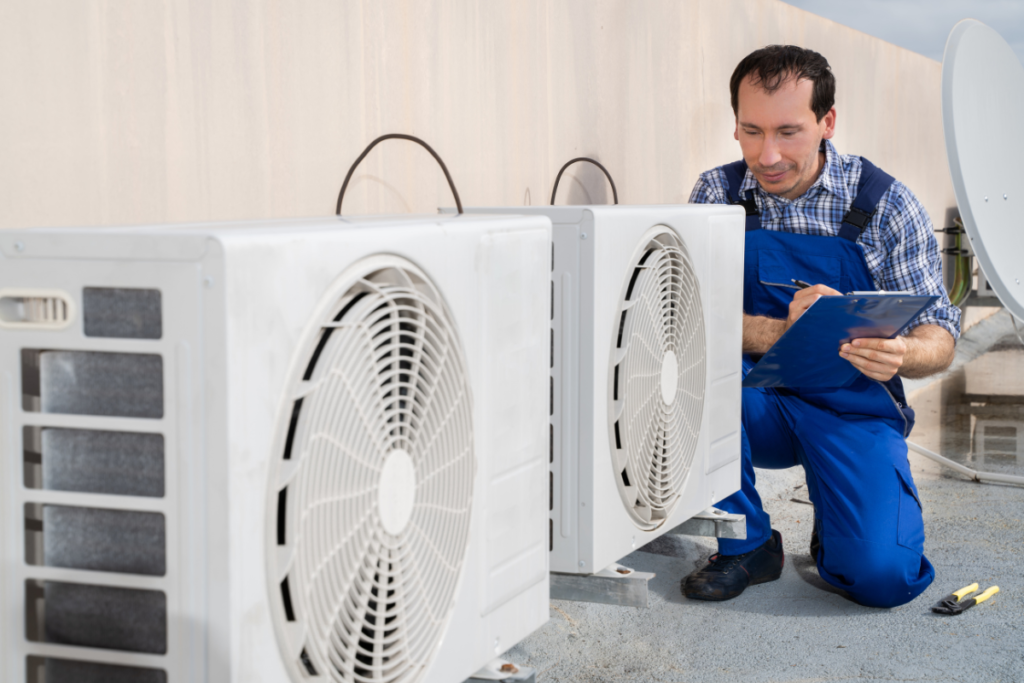
Regular cleaning and maintenance not only help prevent an overloaded air conditioner in hot weather but also extend the lifespan of your system and improve cooling performance.
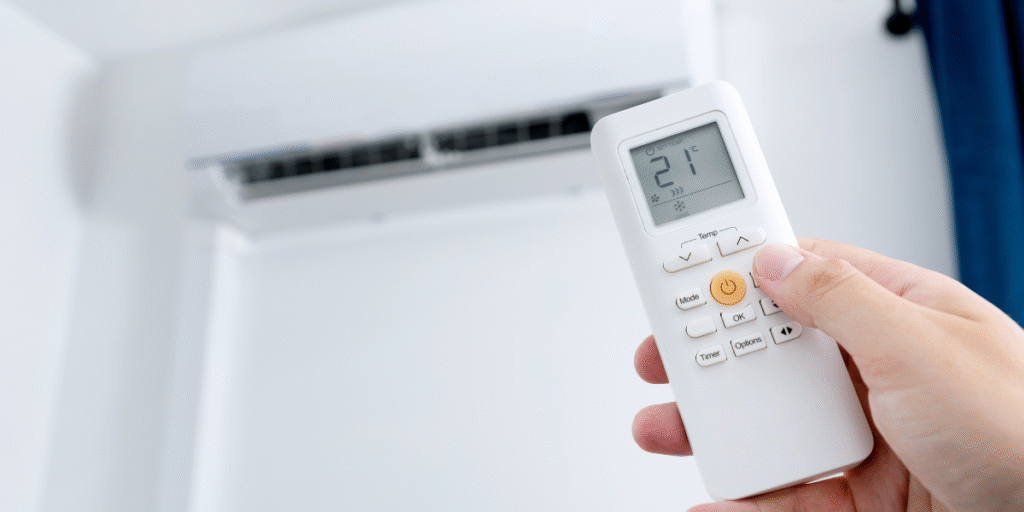
Hidden dangers: the risks of an overloaded air conditioner in hot weather
When your air conditioner gets overloaded in hot weather, it can lead to some serious problems. Running it nonstop for long hours puts a lot of pressure on parts like the compressor and capacitor, which can wear out or break down, causing the system to suddenly shut off.
Even worse, because air conditioners use a large amount of electricity, an overloaded system can overheat and create fire risks, from a burnt-out unit to damaged electrical wires in your home. That’s why regular maintenance and giving your AC time to rest are so important, especially during extreme heat.
How to avoid?
To keep your air conditioner running smoothly even on the hottest days, here are some simple tips to prevent overload and maintain efficient cooling.
- Clean and maintain both the indoor and outdoor units regularly using proper cleaning tools or a pressure washer. Let them dry completely before turning the system back on.
- Avoid placing any objects in front of the air outlet, as this can block airflow and reduce cooling efficiency.
- Don’t turn the air conditioner on and off too frequently, it wastes electricity and wears out the system faster.
- Set the temperature at a reasonable level, around 25°C, or about 8–10°C lower than the outdoor temperature.
- Clean the air filter often to remove dust and debris, helping the system deliver cleaner, cooler air.
- Use your air conditioner together with an electric fan, it helps spread cool air faster and reduces energy consumption.
With nearly 40 years of experience in air conditioning repair and maintenance, our team knows exactly how to spot and fix problems that cause your system to overload. From deep cleaning the filters to checking refrigerant levels, we make sure every part of your unit works safely and efficiently. Contact DEEPCHILL, your trusted air conditioning Gold Coast now!