Hurricanes pose a serious threat to homes and businesses, and one of the most vulnerable components is the HVAC system. Without proper precautions, high winds, heavy rains, and flooding can cause significant damage, leading to costly repairs or replacements. This guide will help you understand the risks and provide essential steps for hurricane-proofing HVAC strategies. By implementing effective HVAC storm protection, hurricane damage prevention and flood-proof air conditioning tips, you can safeguard your system from potential disasters and ensure long-term functionality.
The Risks Hurricanes Pose To HVAC Systems
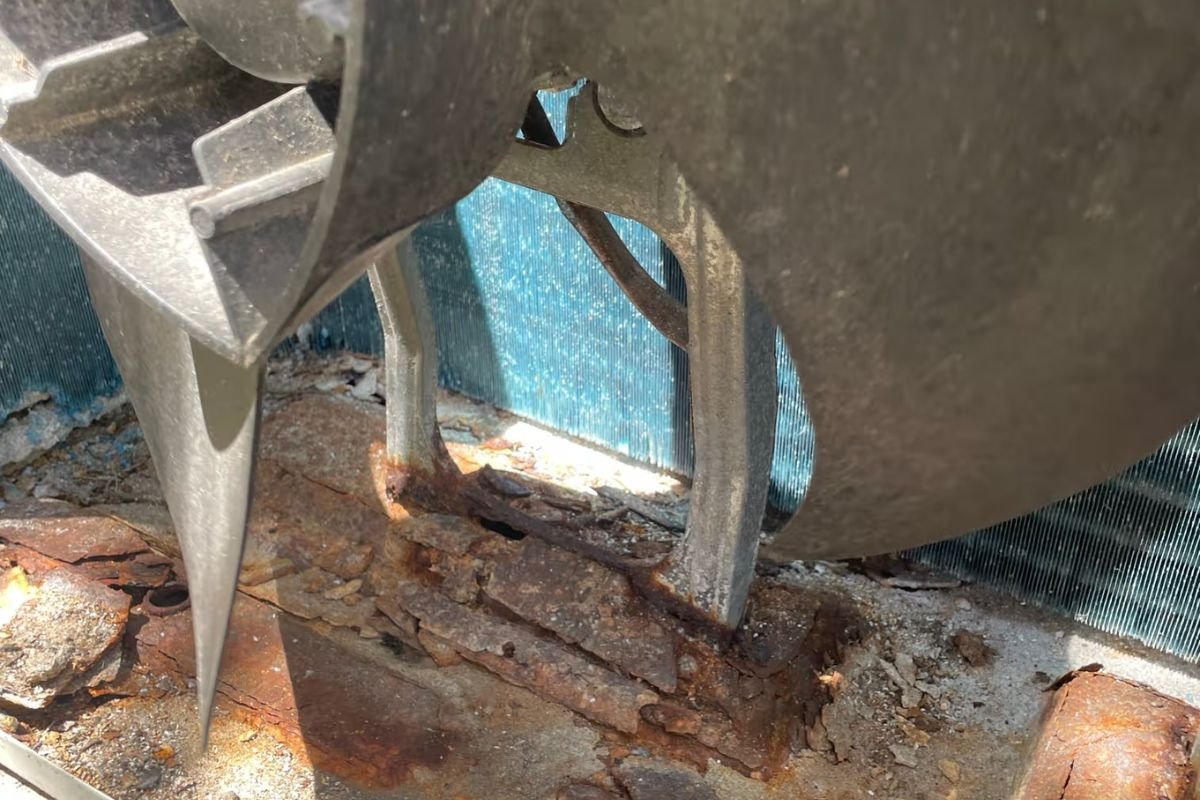
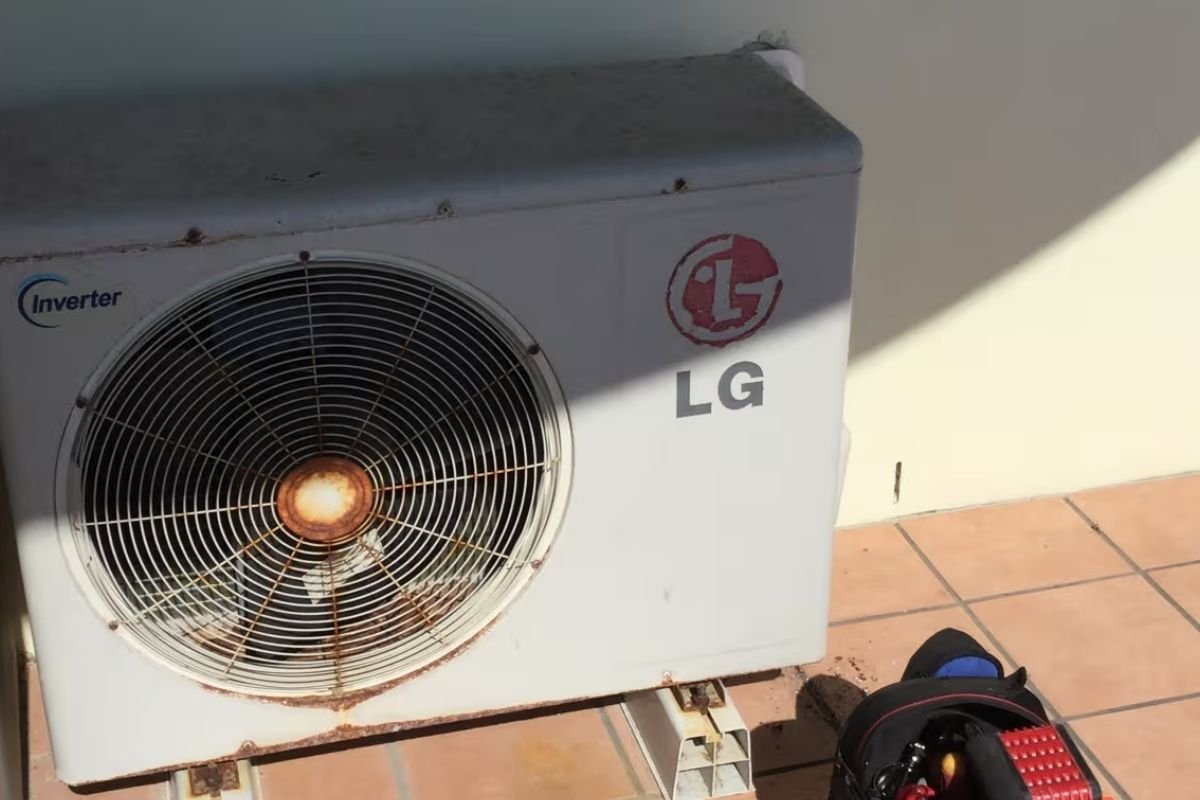
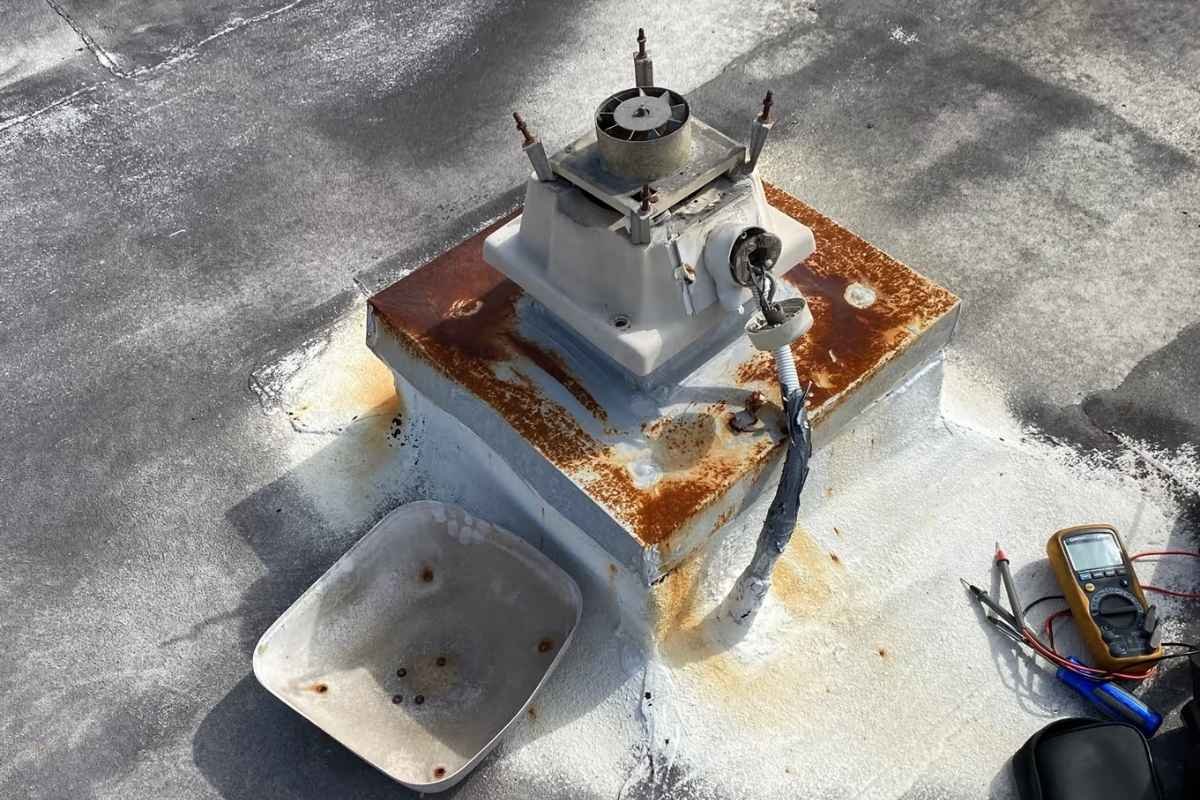
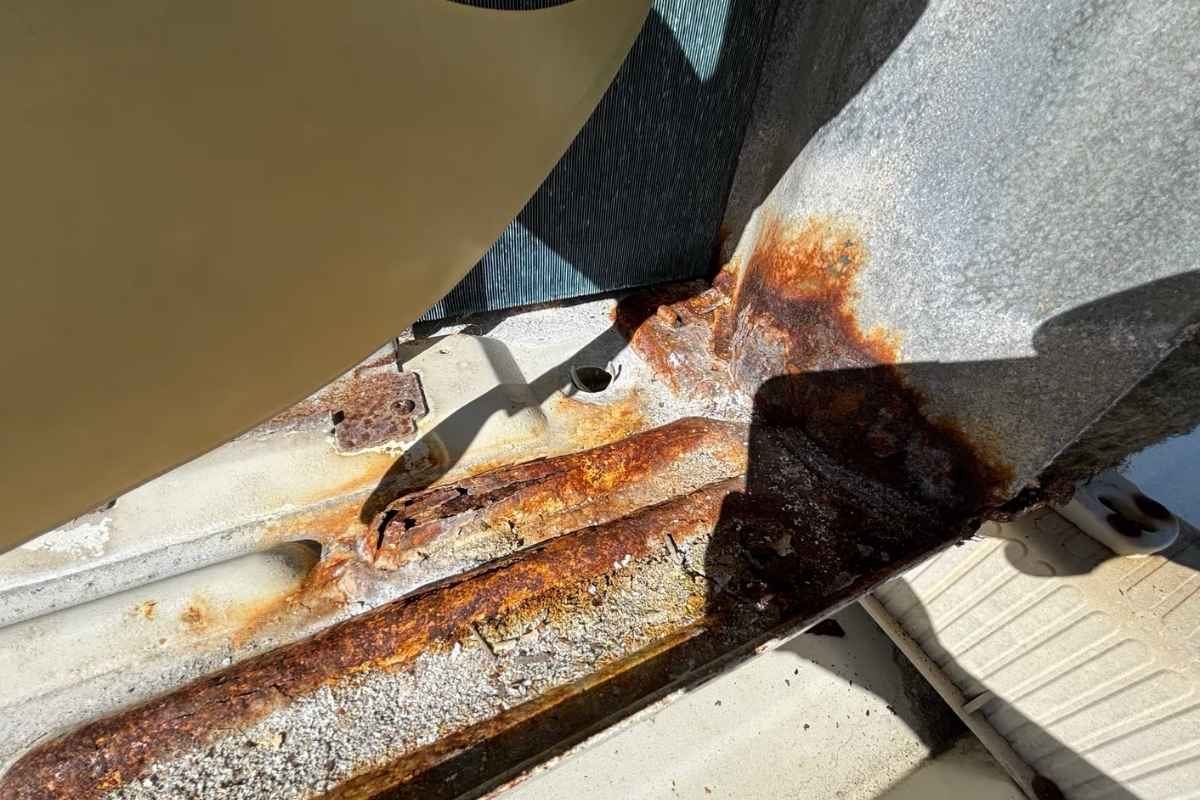
Hurricanes bring strong winds, flying debris, and intense rainfall, all of which can severely impact HVAC units. Outdoor components, such as condensers, are especially vulnerable to being toppled or damaged by wind-driven objects. Additionally, flooding can submerge units, leading to electrical failures and corrosion. Without adequate hurricane damage prevention, or storm protection, homeowners and business owners may face high repair costs and prolonged discomfort due to system downtime.
Essential Hurricane-Proofing Measures
1. Secure Your Outdoor Unit
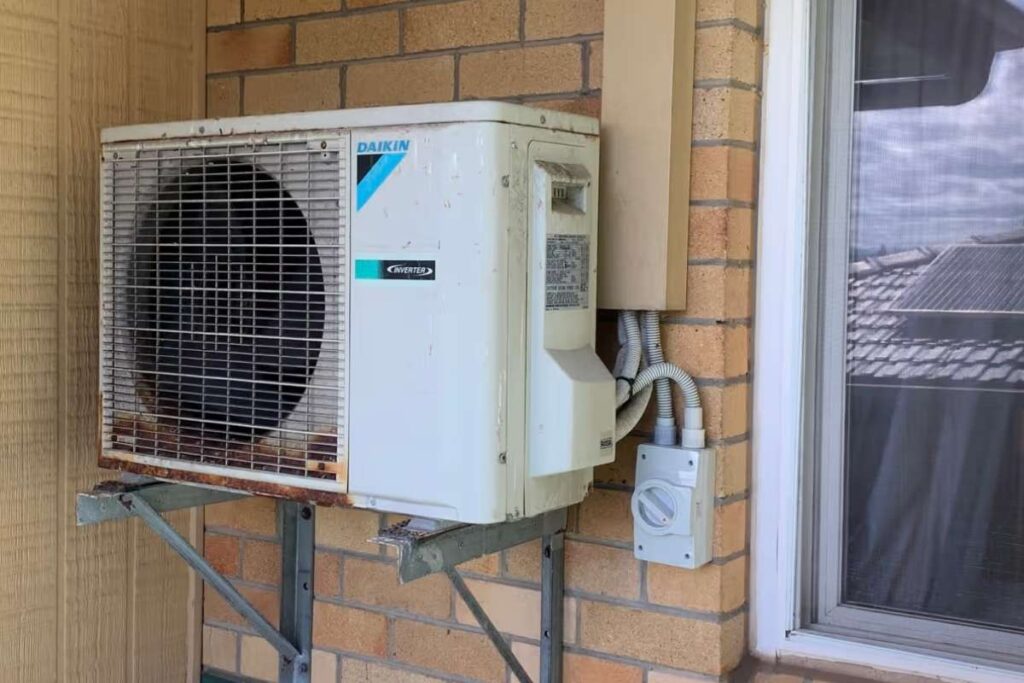
A critical step in HVAC system security is to ensure the outdoor unit is properly anchored. Use hurricane straps or brackets to keep the unit firmly attached to a concrete pad. This prevents strong winds from shifting or flipping the unit, reducing the risk of extensive damage.
2. Install A Surge Protector
Lightning strikes and power surges are common during hurricanes, and these can cause severe damage to HVAC components. Installing a surge protector provides an extra layer of defense, preventing electrical malfunctions that may arise from unstable power conditions. This small investment can save homeowners from expensive repairs.
3. Elevate The Unit To Prevent Flood Damage
One of the best flood-proof air conditioning techniques is to raise the unit above potential flood levels. Using an elevated platform or concrete blocks can help prevent water damage, especially in flood-prone areas. Ensuring proper drainage around the unit can also minimize the risk of water pooling around the base.
4. Clear The Surrounding Area
Before a hurricane arrives, remove loose objects such as patio furniture, tools, and debris that could become airborne hazards. These objects can be propelled by strong winds and may strike the HVAC system, causing unnecessary damage.
5. Shut Off And Cover the Unit
Turning off the HVAC system before a hurricane hits can prevent electrical issues during the storm. Additionally, covering the unit with a protective tarp or specially designed cover can help shield it from heavy rain and flying debris. Be sure to remove the cover once the storm has passed to prevent moisture buildup.
Post-Storm Inspection And Recovery
Once the storm has passed, it is important to inspect the HVAC system for any signs of damage. Follow these steps to ensure the unit is safe to operate:
- Check for visible damage – Look for dents, broken parts, or displaced components.
- Remove debris – Clear away leaves, branches, and other debris that may have accumulated around the unit.
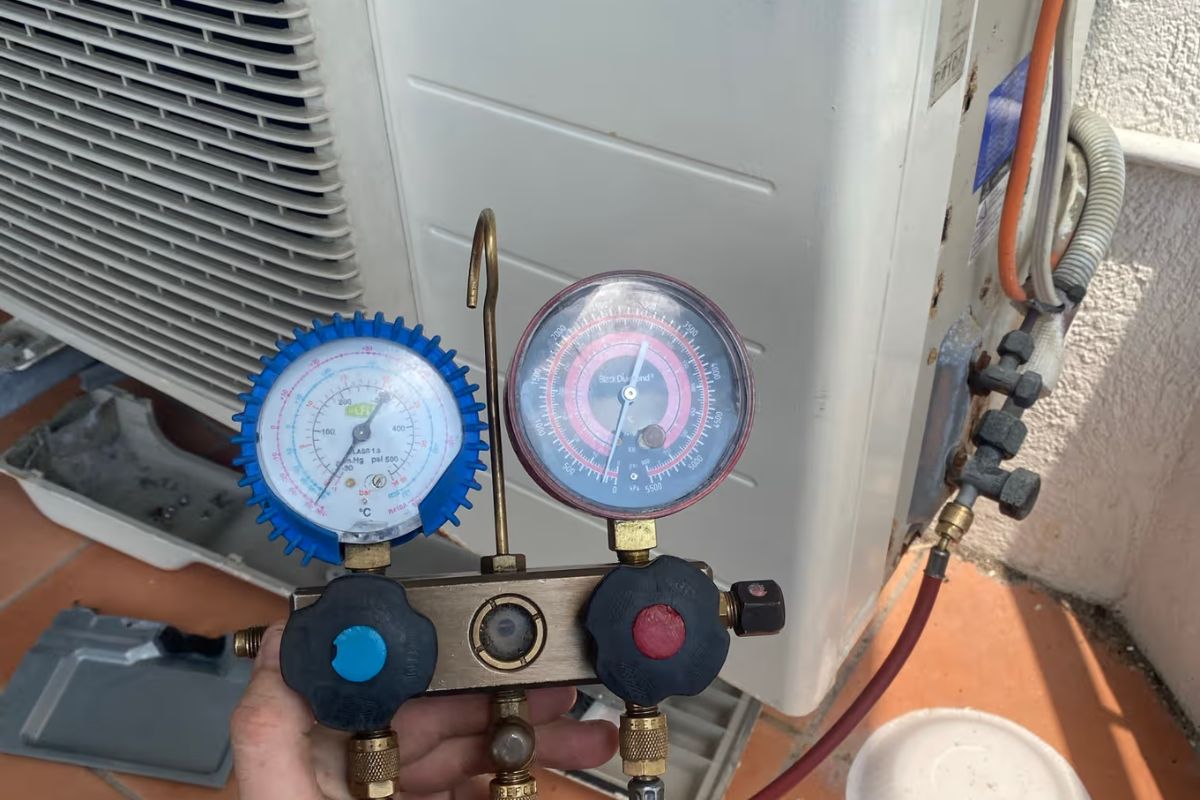
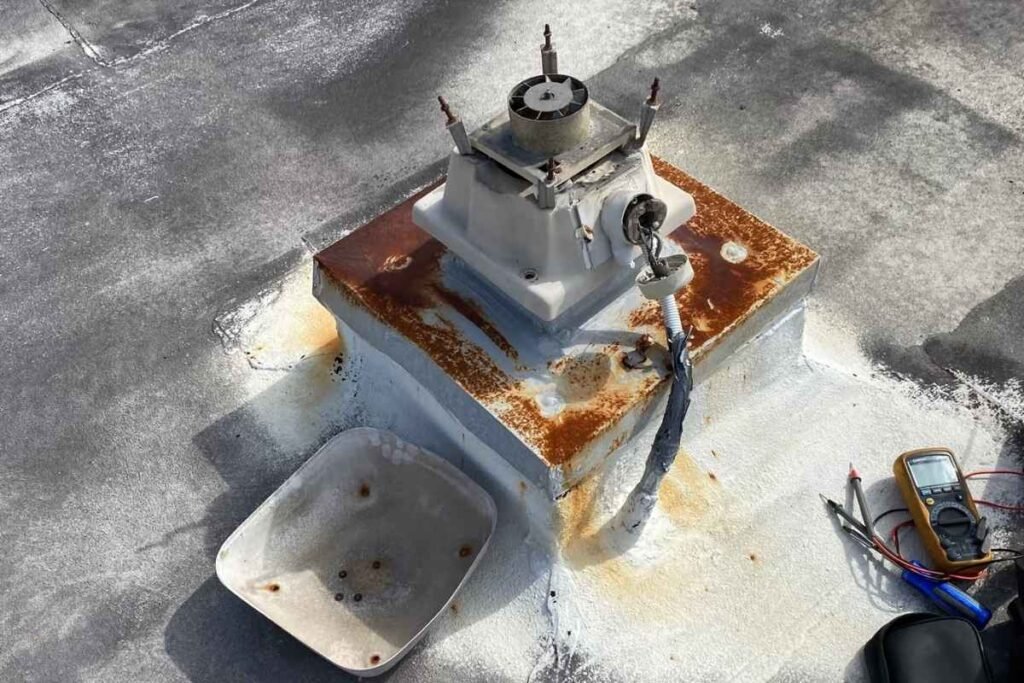
- Inspect electrical connections – If power surges occurred, electrical components may have been affected.
- Test functionality – Turn on the system and monitor for any unusual noises or reduced performance.
- Consult a professional – If any damage is detected, contact an HVAC technician for repairs and safety inspections.
Long-Term Hurricane-Proofing Strategies
Investing in hurricane-proofing HVAC installation can provide lasting protection for your system. Some advanced methods include:
- Installing a protective cage – A steel cage around the outdoor unit can safeguard it from flying debris.
- Upgrading to a high-wind-rated unit – Some HVAC systems are designed to withstand hurricane-force winds.
- Implementing smart monitoring systems – These systems provide real-time updates on HVAC performance and alert you to potential issues before they become severe.
Taking proactive measures to establish a hurricane-proofing HVAC system is essential for minimizing damage and ensuring the longevity of your equipment. By following key strategies like HVAC storm protection, hurricane damage prevention, HVAC system security, installing surge protectors, and elevating equipment, you can significantly reduce the risks posed by hurricanes. Additionally, after-storm inspections and long-term improvements will enhance your system’s resilience, keeping your home or business comfortable even in extreme weather conditions. Don’t wait until a storm is approaching—start hurricane-proofing your HVAC system today!