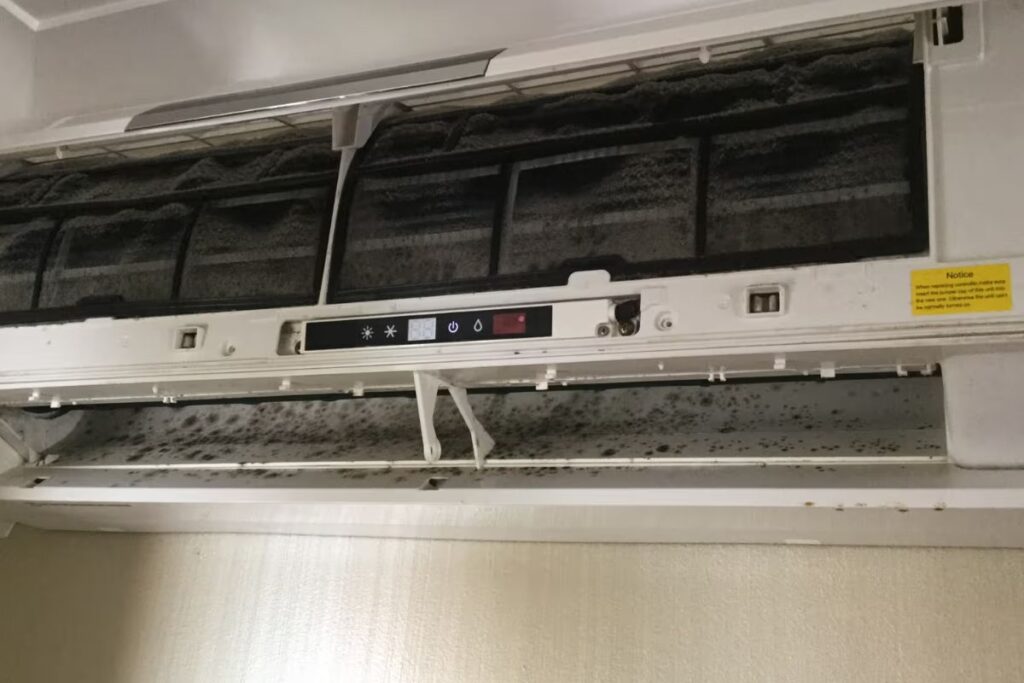
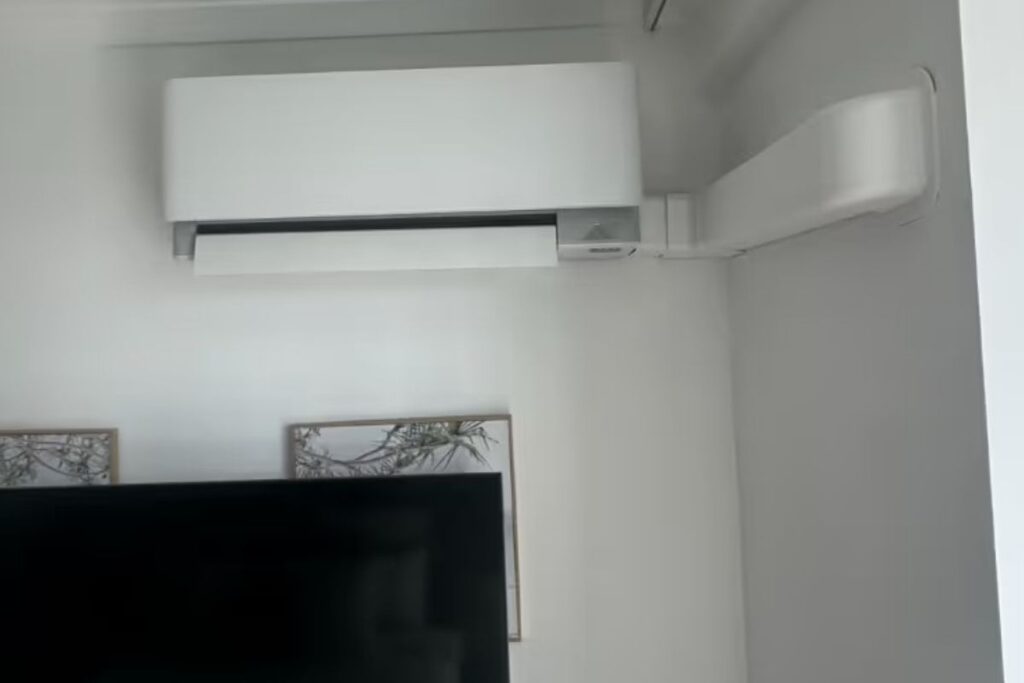
Every hotel owners know the feeling. It’s a chilly winter night, the occupancy is at 100%, and then the front desk gets that call. A guest in room 204 is freezing, furious, and demanding a room change or a full refund. In almost every case, it’s the same handful of rooms running on your oldest units. Guests feel the chill within minutes of walking in, and by the time your night manager hears about it, that damaging 1-star TripAdvisor review is already being written. With the End of Financial Year (EOFY) fast approaching, upgrading your heating and cooling isn’t just a maintenance chore – it’s a smart capital move to protect your revenue. This guide walks you through the warning signs that a unit is past saving, gives you a clear per-room installation price list, and explains how to secure your property’s comfort before June 30.
Table of contents
Why EOFY is the smartest time for hotel AC upgrades
The end of the financial year is when accommodation businesses review capital spending. It is the perfect strategic window to decide whether an ageing unit deserves another expensive repair or a permanent replacement.
Waiting for a system to completely die during peak season is a financial trap. Emergency peak-season replacements mean:
- Premium emergency rates for technicians.
- Longer wait times for stock.
- The worst part: Taking a room “Out of Order” during high-occupancy weeks, costing you thousands in lost bookings.
By planning your commercial AC upgrades during the EOFY period, you turn a potential crisis into a calm, budgeted line item. You can compare per-room costs, schedule installations during low-occupancy days, and ensure your property is bulletproof before the next seasonal rush.
Note: Tax depreciation and incentives depend on your hotel structure. We highly recommend consulting your accountant to see how this equipment upgrade can maximize your tax write-offs this financial year.
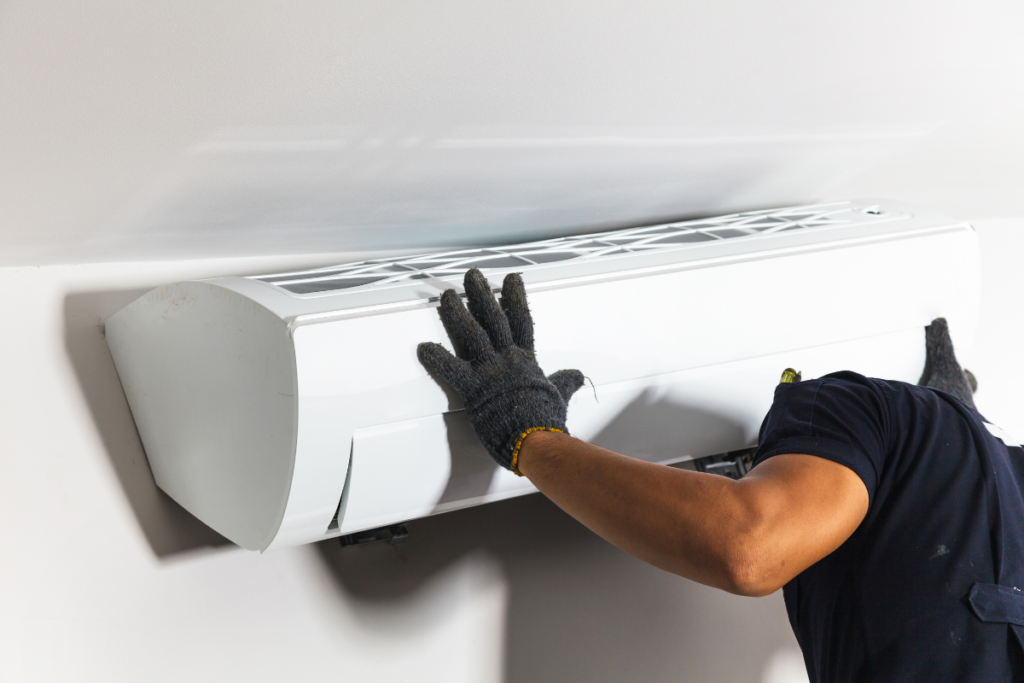
Red flags: 5 signs a unit is closer to replacement than repair
Most hotel keep patching up old units well past their prime. But if your maintenance log looks like this, you are no longer maintaining your HVAC – you are subsidising a dying machine:
- The “frequent flyer” units: When the same room needs a technician two or three times a season, the patch-ups are costing you more than a brand-new system.
- The waiting game for parts: Older models reach a point where compressors or fan motors are discontinued. A repair that should take an hour turns into a fortnight of a room sitting empty because parts are on back-order.
- Spiking power bills: A tired, old compressor works twice as hard to deliver less heat. If a few specific rooms are quietly driving up your electricity costs, look straight at their AC units.
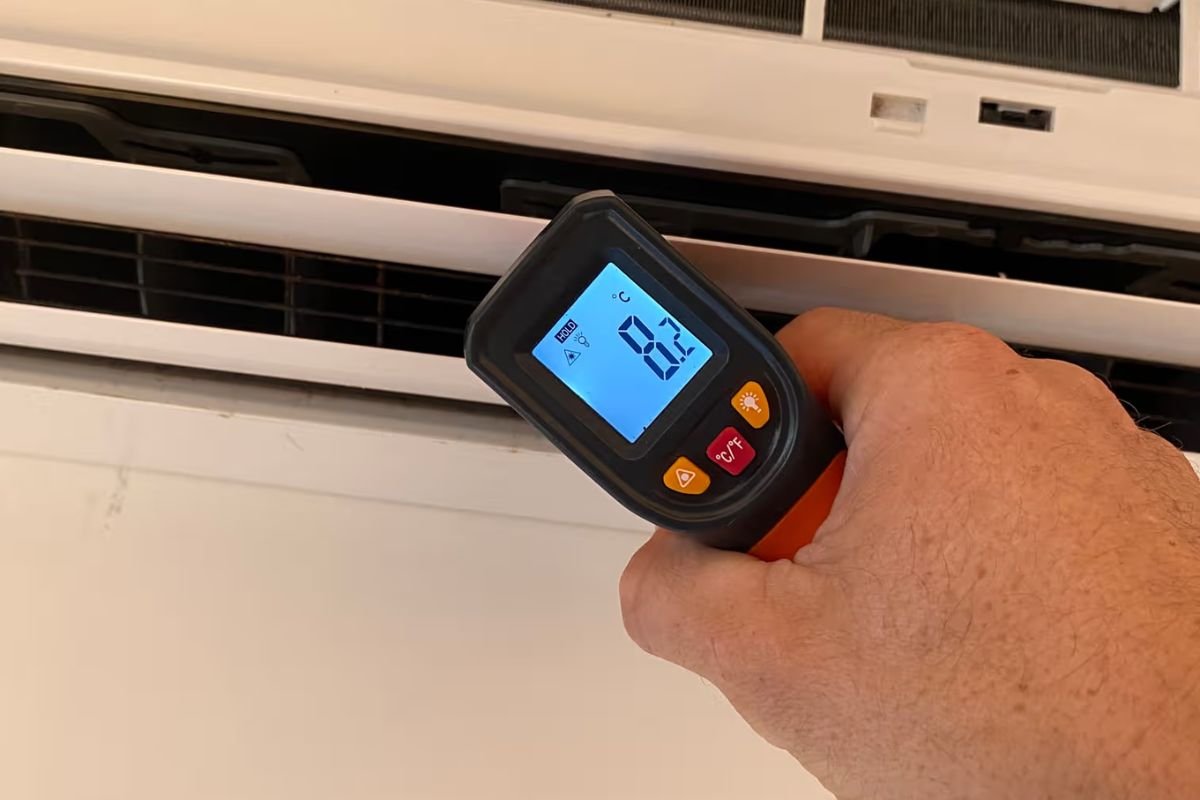
- “It takes forever to warm up”: If guests complain that the room takes an hour to stop feeling like an icebox, or that the unit struggles on frosty mornings, the system has lost its rated output.
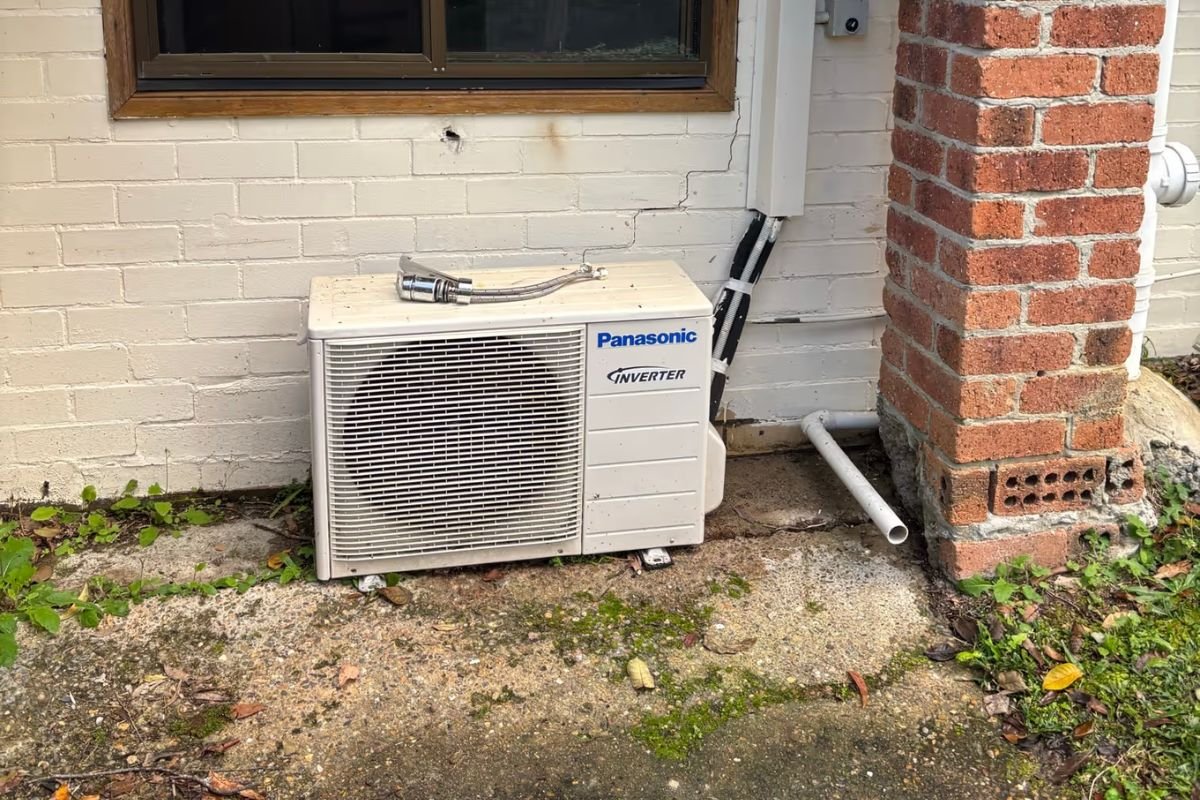
- The 10-year expiry: Most commercial split systems are designed for roughly a decade of heavy hotel use. Past the 10-to-12-year mark, reliability drops off a cliff.
Why the installer matters just as much as the brand
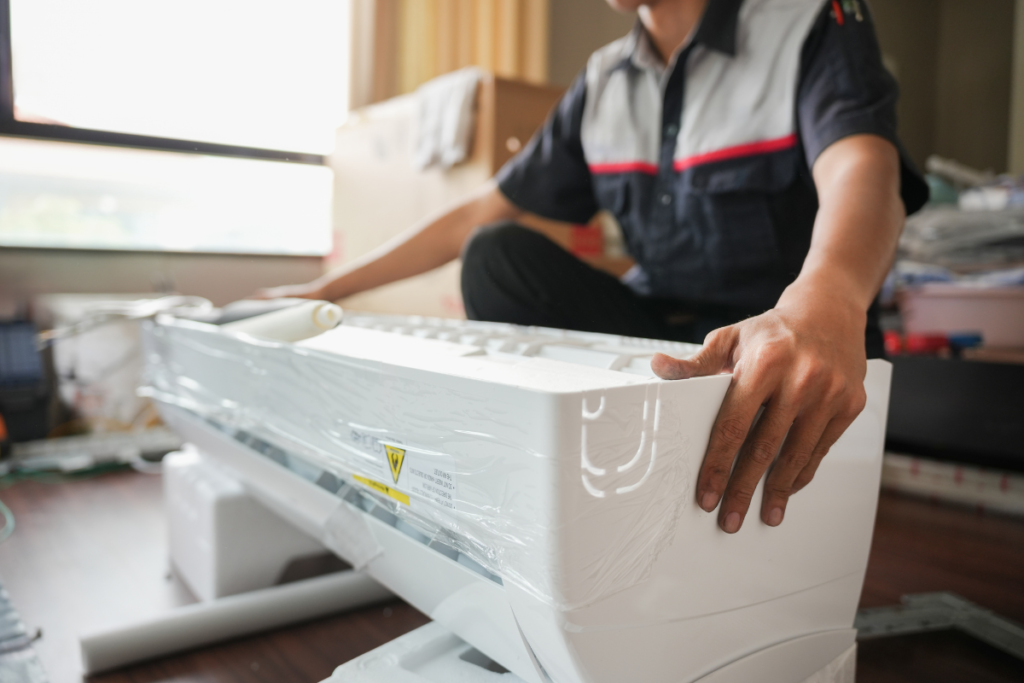
When upgrading commercial property, two factors dictate your next decade of reliability: the equipment itself, and the team that fits it.
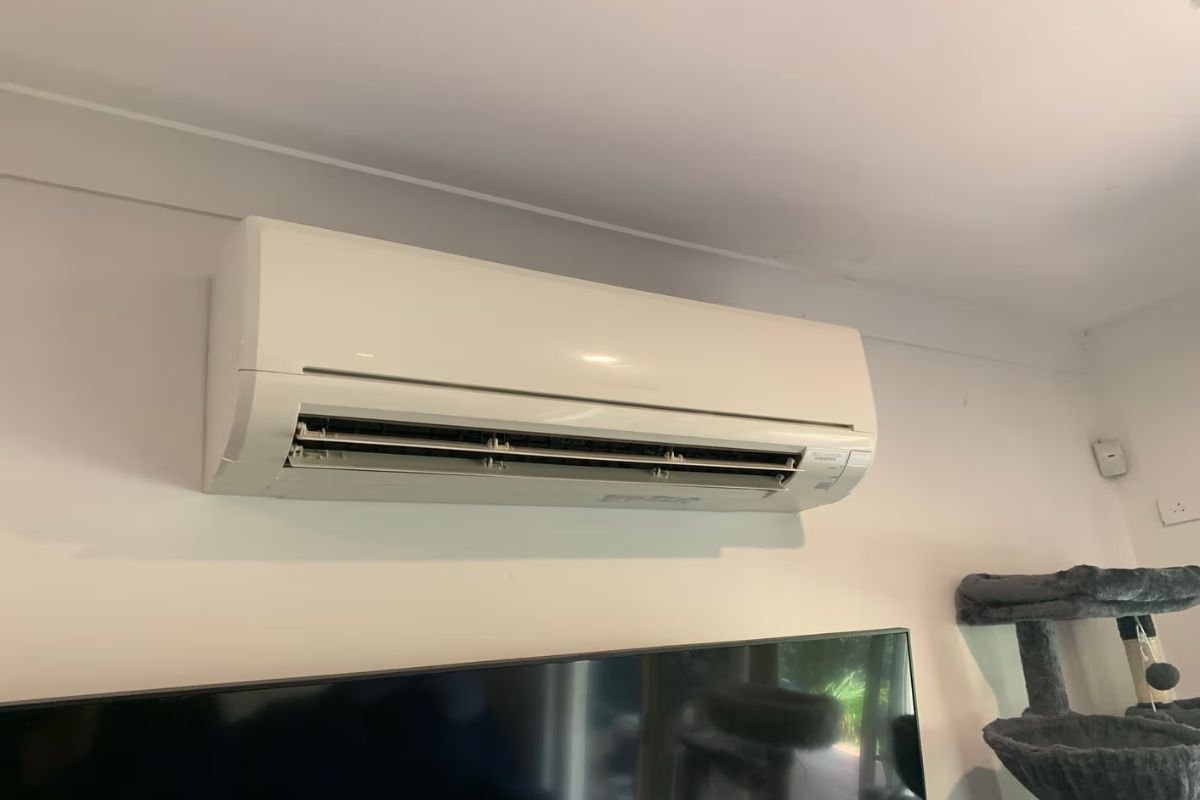
At DEEPCHILL, we don’t lock you into a single brand. We supply and install Australia’s most trusted names – Fujitsu GENERAL, LG, Daikin, and Hisense – because we know different rooms, suite layouts, and budgets require different solutions.
However, commercial installation requires strict expertise. Sourcing through an authorised dealer protects your multi-year warranty, guarantees correct sizing so you don’t short-cycle your power, and gives you a single accountable partner.
As a family-owned Gold Coast business with over 40 years of experience, DEEPCHILL was named GENERAL Airstage Dealer of the Year for both Queensland and Australia in 2024 and 2025. This consecutive national recognition gives you the peace of mind that your capital budget is backed by the best commercial HVAC team on the coast.
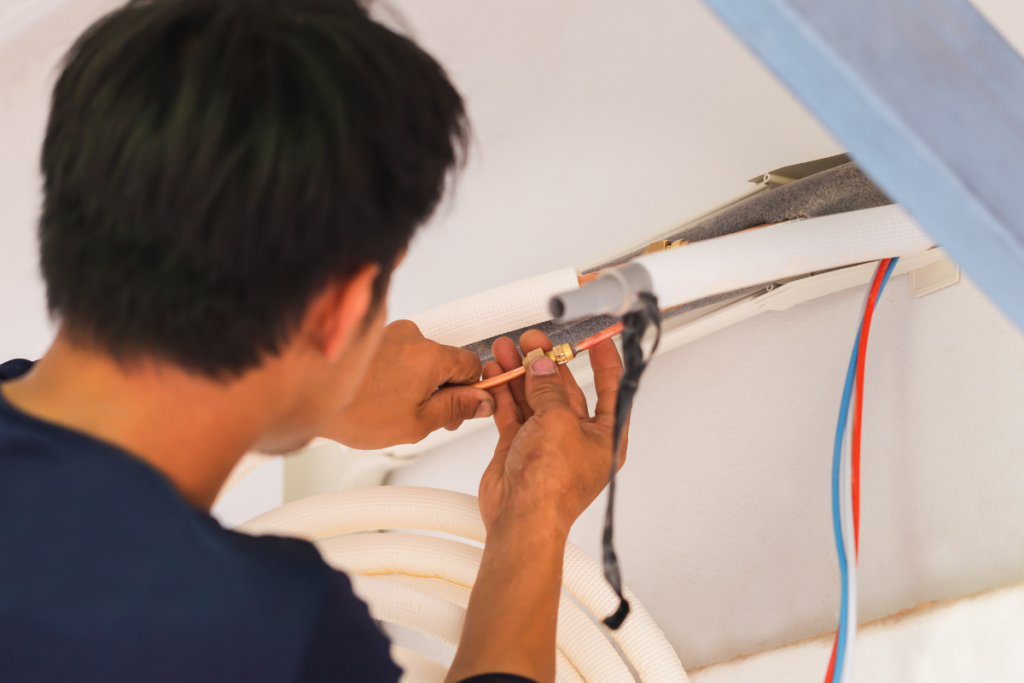
Clear planning: Full installation price list
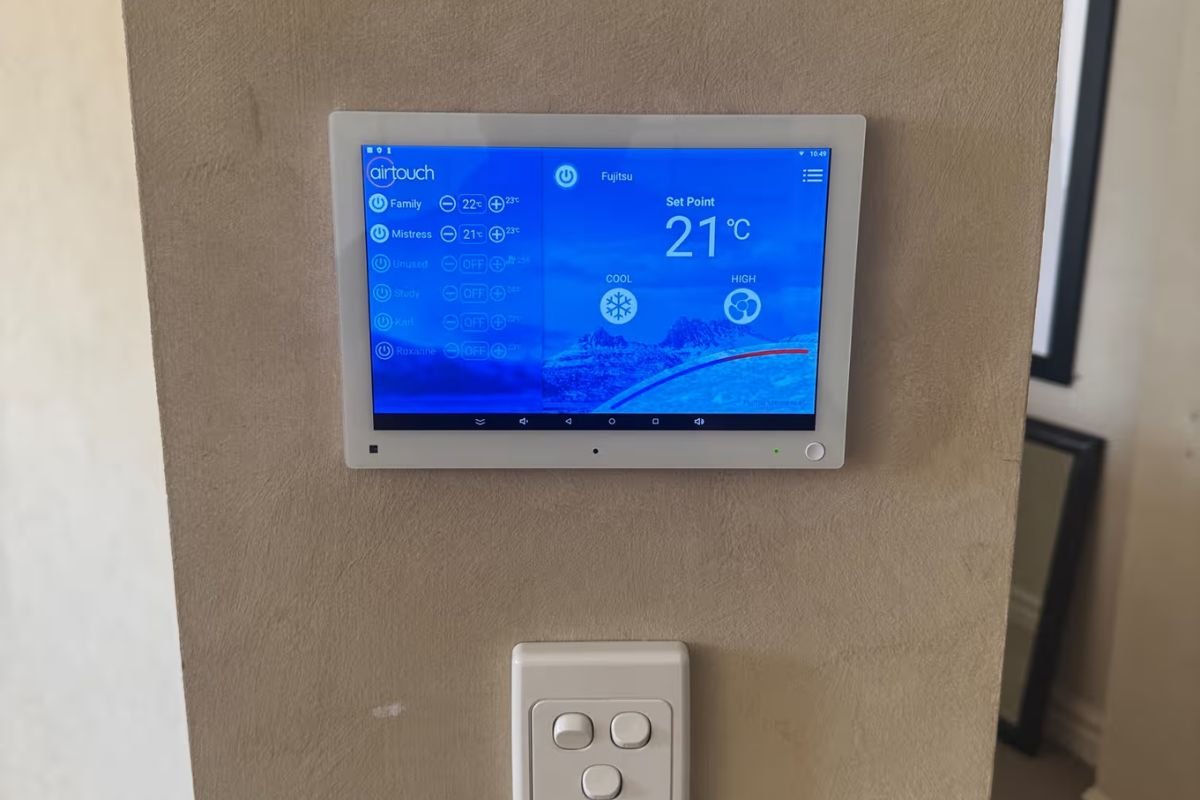
To help you build a solid proposal for your next financial plan, here is DEEPCHILL’s fully installed, GST-inclusive price list. These are real, fixed reference points for an EOFY equipment upgrade – and every unit below includes Wi-Fi control so your team can pre-warm rooms before guests check in.
| Brand | Model | Cooling (kW) | Heating (kW) | Best suited to | Installed from (inc GST) |
|---|---|---|---|---|---|
| GENERAL | ASTH09KNCA | 2.5 | 3.4 | A single guest room | $1,780 |
| GENERAL | ASTH24KNTA | 7.1 | 8.0 | Larger suites or common areas | $2,650 |
| LG | AS09SOS | 2.6 | 3.2 | A single guest room | $1,760 |
| LG | AS24S2S | 7.2 | 7.7 | Larger suites or common areas | $2,610 |
| Daikin | FTXF25W Lite | 2.5 | 3.0 | A single guest room | $1,920 |
| Daikin | FTXF71W Lite | 7.1 | 7.5 | Larger suites or common areas | $2,940 |
| Hisense | HAWJ9KR | 2.5 | 3.1 | A single guest room | $1,610 |
| Hisense | HAWJ24KRP | 7.1 | 7.2 | Larger suites or common areas | $2,510 |
How to use this list: Don’t look at it as a massive, overwhelming refit. Focus on your 5 worst-performing rooms first. Upgrading just those “problem spaces” gives you a highly predictable, defensible budget line item rather than a vague, inflated “AC emergency fund.”
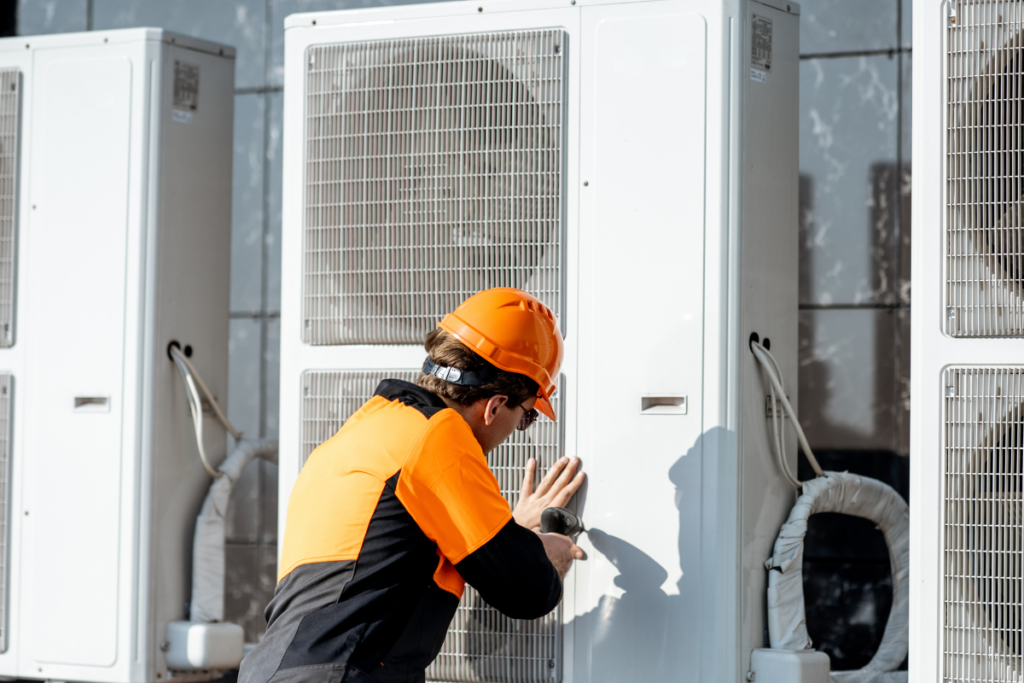
How to action your EOFY upgrade before June 30 closes
You don’t need to replace every unit tomorrow to make a smart move before the EOFY clock runs out. Follow this simple sequence:
- Check the logbook: Identify the top 3–5 rooms that caused the most guest complaints or breakdown costs this past year.
- Verify the layout: Note down the room numbers and whether they are standard rooms (requiring a ~2.5kW unit) or larger family suites/lobbies (requiring ~7.1kW).
- Book a site scope: Contact an authorised dealer like DEEPCHILL to lock in exact per-room costs and ensure installation fits your quietest winter booking window.
- Talk to your accountant: Pass our fixed pricing to your financial advisor to handle the asset depreciation correctly for this tax year.
By taking these steps, you turn a recurring operational headache into a structured, cost-controlled asset upgrade – exactly the kind of proactive planning that keeps both your sếp, your accountant, and your guests happy.