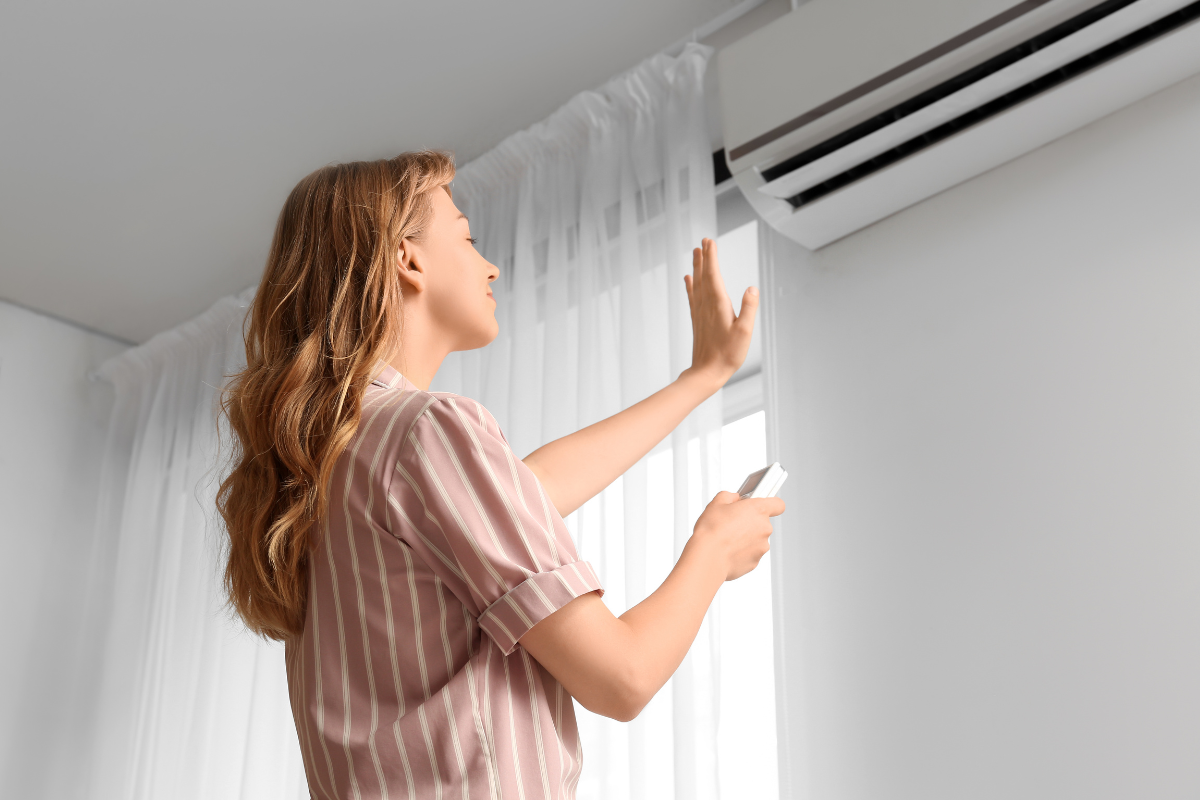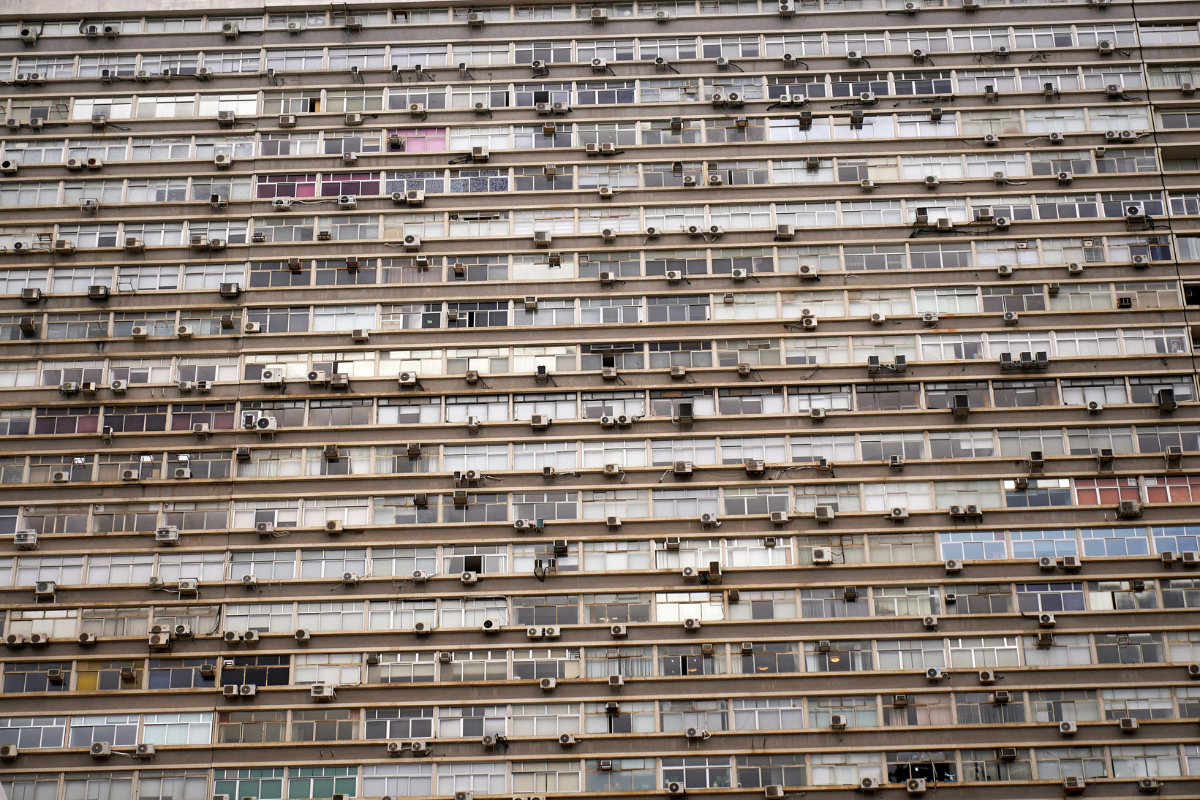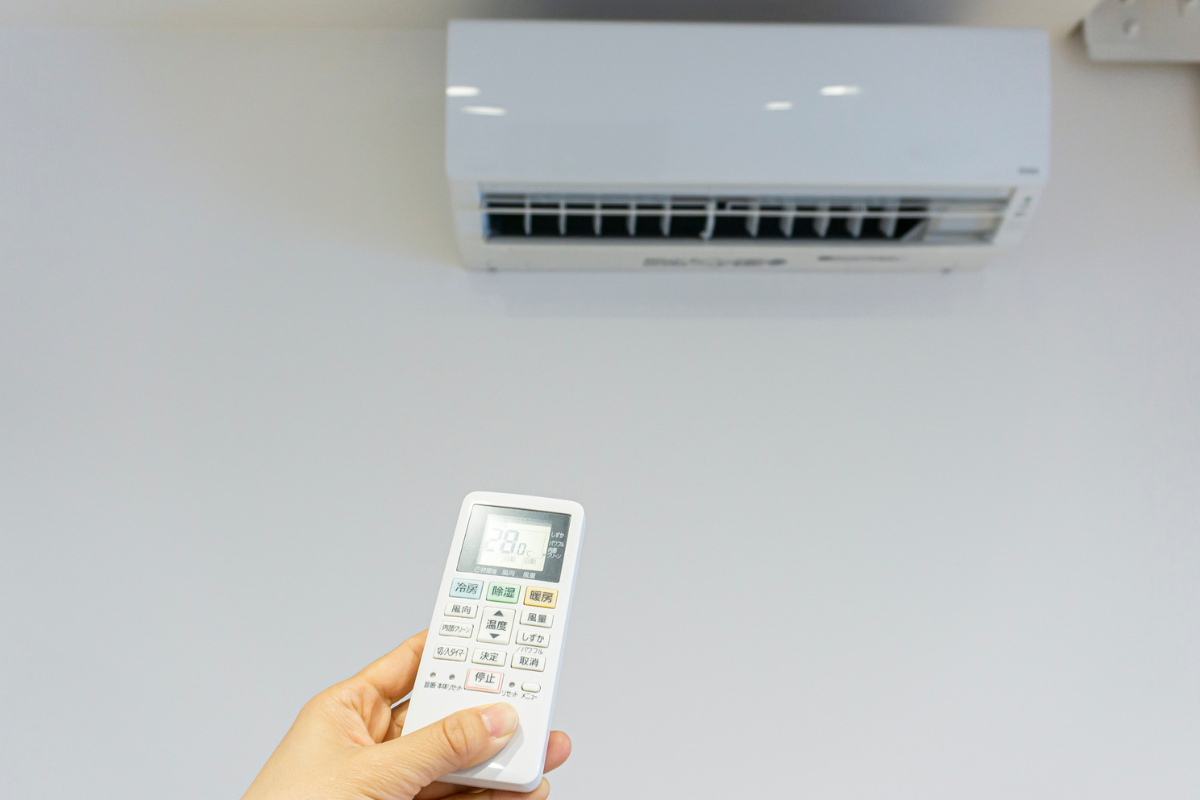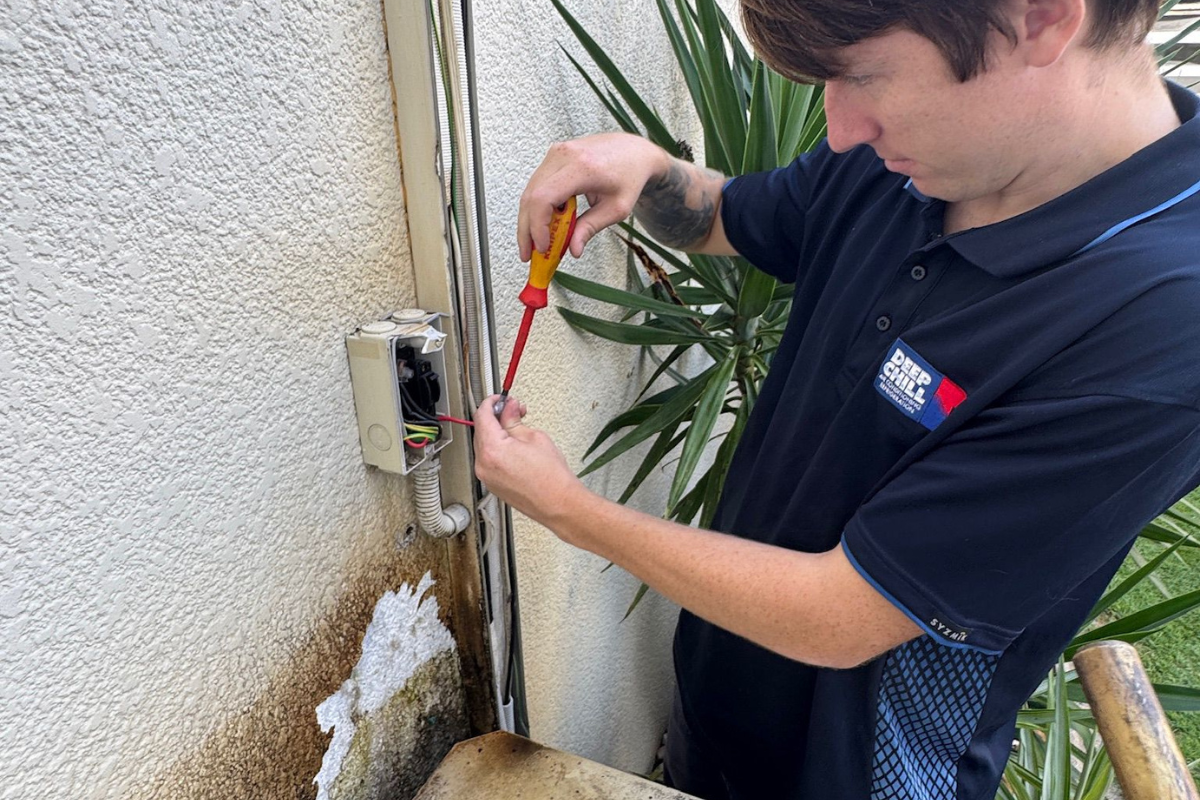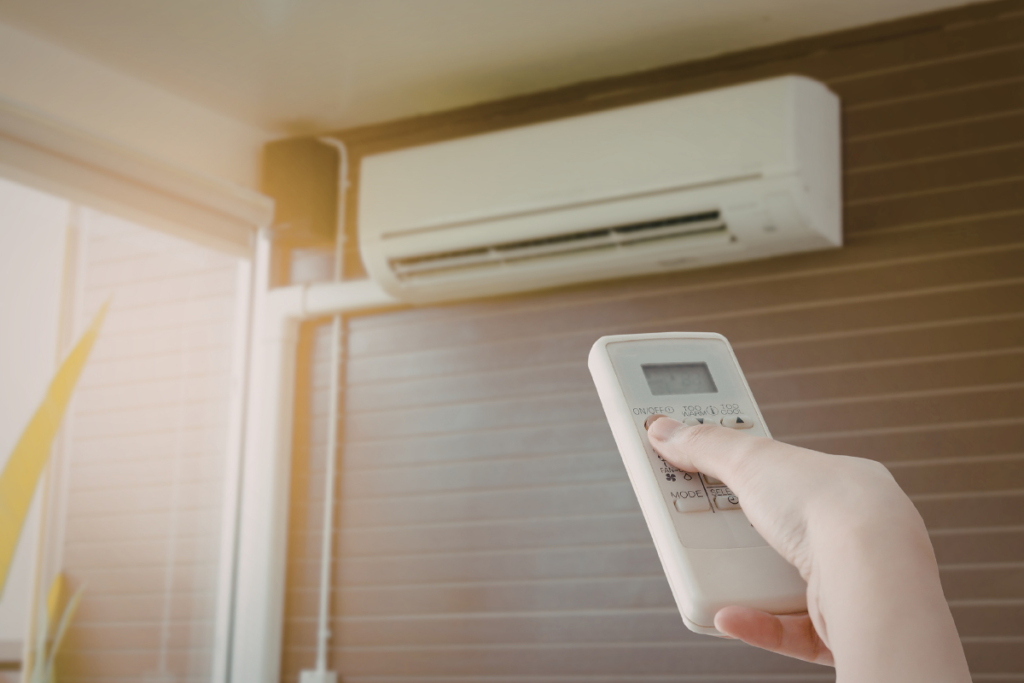
You might be thinking: “Oh, it’s a hot morning, I’m gonna turn on the air conditioner.” But just a few hours later, the rain starts and it gets cold so you turn down the temperature. The struggle of constantly changing the thermostat is real. Find out how to prevent air conditioner damage with DEEPCHILL, your trusted air conditioning Gold Coast service!
Table of contents
Why is it so important to prevent air conditioner damage during severe weather?
Extreme weather can be tough not only on us but also on our air conditioners. When the temperature swings wildly, your AC has to work harder than normal. This constant pressure can slowly wear down the system and lead to serious damage if not prevented early.
If these problems go unchecked, your system becomes less efficient, your energy bills rise and your home feels less comfortable.That’s why it’s so important to prevent air conditioner damage before it happens. Power surges, flooding, strong winds or flying objects are common problems that can happen during storms. But with a few smart steps, you can protect your unit and extend its life.
5 top reasons why air conditioners break down during severe weather
The temperature difference is beyond what the AC can handle
- For new air conditioners, even top-quality models can only lower the indoor temperature by about 12°C compared to outside.
- For older units, cooling power drops over time, usually only about 8–10°C cooler than the outdoor air.
- With the weather swinging between heat and rain, setting your air conditioner too low or too high doesn’t help. It only makes the system work harder and increases the risk of damage
Wrong usage habits
- Many people set their AC to the lowest temperature (18–20°C), hoping to cool the room faster. But this forces the system to run at full power continuously, which can cause overheating and shorten its life.
- Running the air conditioner for hours without giving it a break also wears down the system faster.
The outdoor unit can’t release heat properly
When the weather turns unpredictable – scorching one day and chilly the next – and your outdoor unit sits in a tight or poorly ventilated spot, key components like the compressor, fan, and refrigerant system have to run at full capacity but still can’t cool efficiently. This can lead to:
- Severe overloading, making the unit less efficient and more prone to failure.
- Faster wear and tear of internal components, shortening the system’s lifespan.
Incorrect AC capacity
- If the room is large or has many glass windows but you use a small-capacity AC, it will have to run constantly to meet cooling needs. Over time, this causes overheating and system failure.
Skipping regular cleaning and maintenance:
- Dust buildup in the indoor and outdoor units blocks airflow, prevents proper heat release, and reduces cooling performance.
- Low refrigerant (gas) levels also make it hard for the system to cool effectively, increasing the risk of damage.
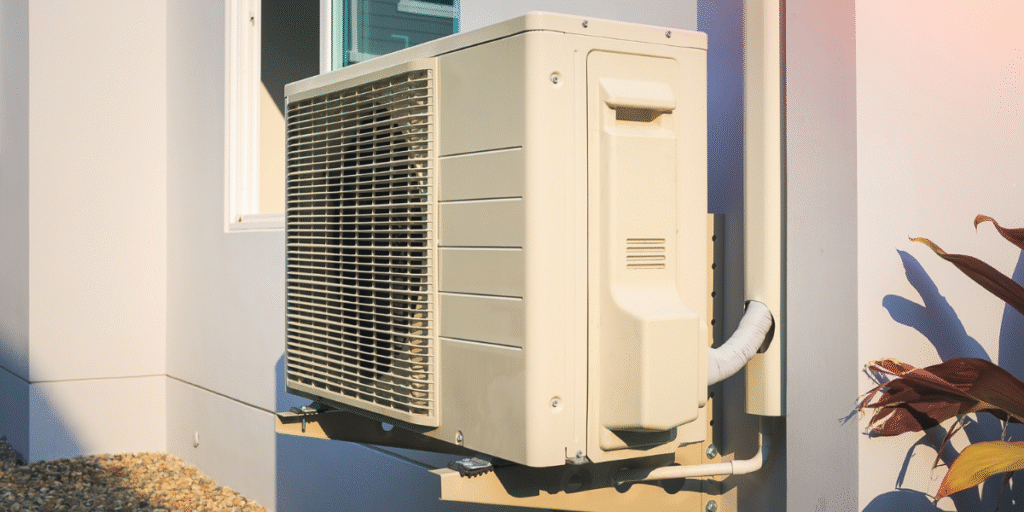
How to prevent air conditioner failures in severe weather?
To avoid unwanted air conditioner breakdowns during the hot or rainy season, it’s best to take preventive steps before installation and build good usage habits afterward. By following these simple tips, you can prevent air conditioner damage.
Choose the right AC capacity
Picking the right capacity for your room size is the first step to keeping your air conditioner from overworking.
Basic guide:
- Under 15m²: 1.0 HP
- 15–20m²: 1.5 HP
- 20–30m²: 2.0 HP
- 30–35m²: 2.5 HP
Tip: If your room gets a lot of sunlight, has many glass windows or is right under the roof, you may need a higher capacity than the standard recommendation.
Install your air conditioner properly
Proper installation helps your AC perform well and last longer.
Indoor unit:
- Place it where cool air can spread evenly across the room.
- Keep at least 10 cm between the unit and the ceiling.
- The best height is around 2.5–3 m from the floor.
Outdoor unit:
- Avoid direct sunlight; use a shade or cover if possible.
- Keep the area clear so the fan and coils have good airflow.
Keep the power supply stable
Fluctuating electricity can harm your air conditioner. To protect it:
- Use a voltage stabilizer to keep power steady.
- Check your home’s electrical system regularly.
Clean and maintain regularly
Regular cleaning with DEEPCHIL, your trusted air conditioning Gold Coast helps prevent breakdowns and keeps your AC efficient.
What to clean:
- Air filters: Clean monthly to remove dust and bacteria.
- Indoor and outdoor units: Clean every 3–6 months depending on how often you use them.
- Drain pipes: Check to prevent blockages.
- Refrigerant (gas) level: Test to make sure it’s within the right range.
Repair immediately if something feels off
If you notice any of these signs:
- Flashing lights or error messages.
- Automatic shut-off while running.
- Weak cooling or blowing warm air instead of cold.
Stop using it right away and call a professional technician. Continuing to run a faulty AC can cause:
- More serious damage, leading to higher repair costs.
- Shorter lifespan, making your system wear out faster.
Taking these steps doesn’t just prevent air conditioner damage, it keeps your home cool, comfortable and ready for whatever the Gold Coast weather brings. Contact DEEPCHILL, your trusted air conditioning Gold Coast service now to let us help you take care of your AC!