Thermal shock can strike when your body faces sudden temperature changes, even from stepping out of the heat into an icy room. To stay cool without risking your health, here’s how to avoid thermal shock and use your AC the right way. Let’s find out with DEEPCHILL, your trusted air conditioning Gold Coast expert.
Table of contents
The hidden reasons behind air conditioner thermal shock
Thermal shock happens when your body temperature changes too quickly from hot to cold, which can negatively affect your health. Learning how to avoid thermal shock is important, especially during extreme heat.
Some common causes include:
- Large temperature differences: When the AC is set below 22°C while the outdoor temperature is around 35–40°C, the sudden drop of over 10 degrees can confuse your body’s temperature control system.
- Sudden environmental change: Going outside into the heat after sitting in a cold room, or walking into strong AC right after heavy outdoor activity can trigger thermal shock.
- Staying in cold air for too long: Spending long hours in a cold room can weaken your body’s ability to regulate temperature naturally once you go outside.
When the temperature difference is too big, your body doesn’t have enough time to adjust. This can lead to common symptoms:
- Headache, dizziness, blurred vision
- Fast heartbeat, shortness of breath
- Low blood pressure, cold sweat
- Cold hands and feet, pale skin
- In severe cases: fainting or even loss of consciousness
People who work outdoors, young children, older adults, pregnant women and those with chronic conditions like heart disease, high blood pressure or diabetes are more likely to be affected. If not treated quickly, thermal shock can lead to serious health risks.

What to do when you experience air conditioner thermal shock?
If someone shows signs of air conditioner temperature shock, stay calm and act quickly. Here are the first aid steps you should take to avoid thermal shock from getting worse:
Step 1: Check their breathing and heartbeat right away. If there’s no pulse or breath, start chest compressions immediately.
Step 2: Move the person to a well-ventilated area away from the cold air. Try to balance the temperature difference and keep them warm with a light blanket or cloth.
Step 3: If their blood pressure is high, let them sit up or lie down with their head slightly raised. If their blood pressure drops, have them lie down with their head lower than their body.
Step 4: If they’re wearing too many layers, remove some to help them breathe easier. If their clothes are too thin, gently cover them with a light blanket to keep their body temperature stable. If the person is conscious, give them small sips of warm water. never cold water or ice, as it can make the condition worse.
Step 5: After giving first aid, take the person to the nearest hospital or medical center as soon as possible for proper care. This helps prevent serious complications like breathing problems, brain damage or irregular heartbeat.

Simple tips to use your air conditioner safely and avoid thermal shock
To avoid thermal shock, here are a few simple from DEEPCHILL – air conditioning Gold Coast.
Keep your room temperature moderate
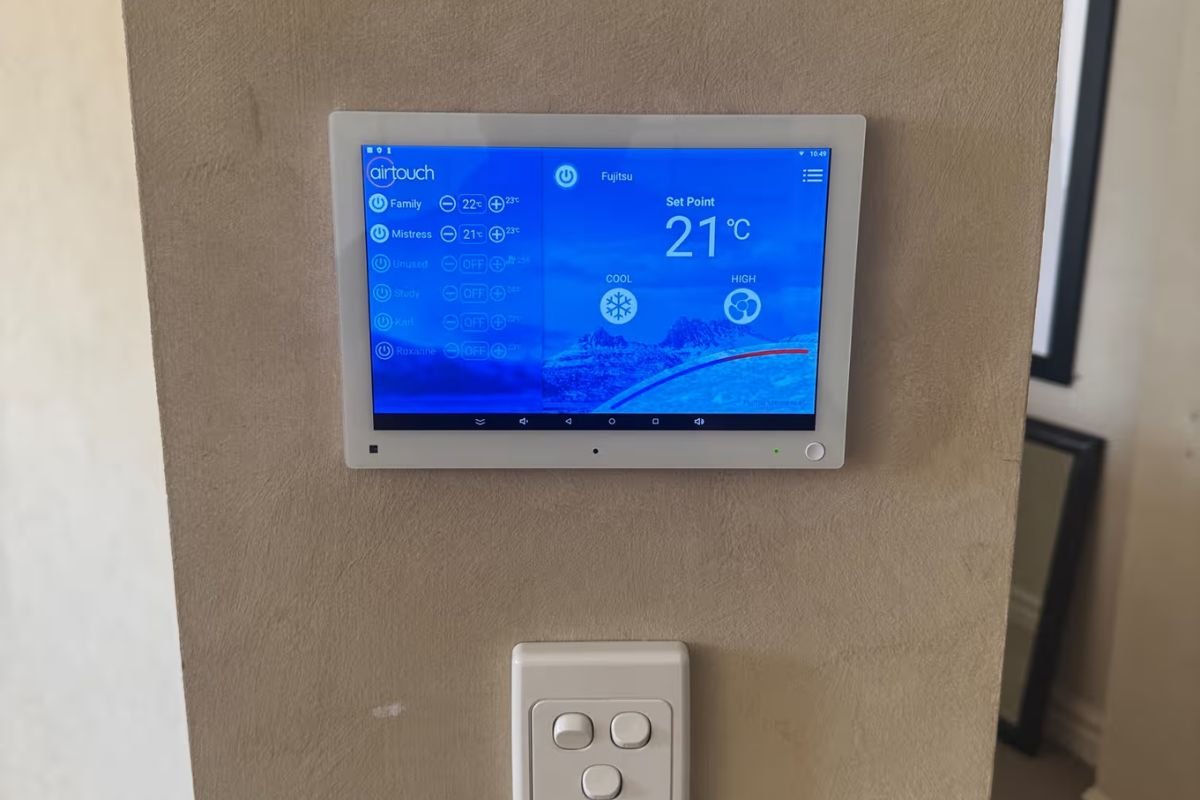
Set your AC between 25–28°C for a comfortable and safe level. If it still feels warm, use a fan or a misting fan instead of lowering the temperature too much. For children, switch to fan mode after 2–3 hours to prevent overexposure to cold air.
Let your body adjust gradually
After being outside in the heat, use a fan for about 10 minutes before turning on the AC. When entering a cool room, stand near the door and lower the temperature slowly. Before going out, turn off the AC 20–30 minutes in advance and spend a few minutes near the doorway to get used to the outside air.
Avoid entering a cold room right after showering
Dry yourself completely and sit at room temperature for about 10 minutes before going into an air-conditioned room. This helps your body adjust naturally and prevents sudden temperature shock.
Don’t stay in air conditioning all day
Try not to stay in the AC for more than 4 hours at a time, take short breaks to walk, stretch, or breathe in fresh air.
Use your car’s air conditioner the right way
Before turning on the AC, open the windows and use the fan for 5 minutes to release hot air. Keep the temperature around 22–25°C, and use reflective shades to block sunlight. Whenever possible, park your car in shaded areas to prevent heat buildup.
Stay hydrated throughout the day
Drink water even when you don’t feel thirsty. Adults should drink at least 1.5–2 liters of water daily. You can also have fruit juice, vegetable juice or mineral water to keep your body cool and balanced.
By using your air conditioner the right way, you can stay comfortable and avoid thermal shock even on the hottest days. Contact DEEPCHILL, your reliable air conditioning Gold Coast service, to keep your system running safely and smoothly all year round.