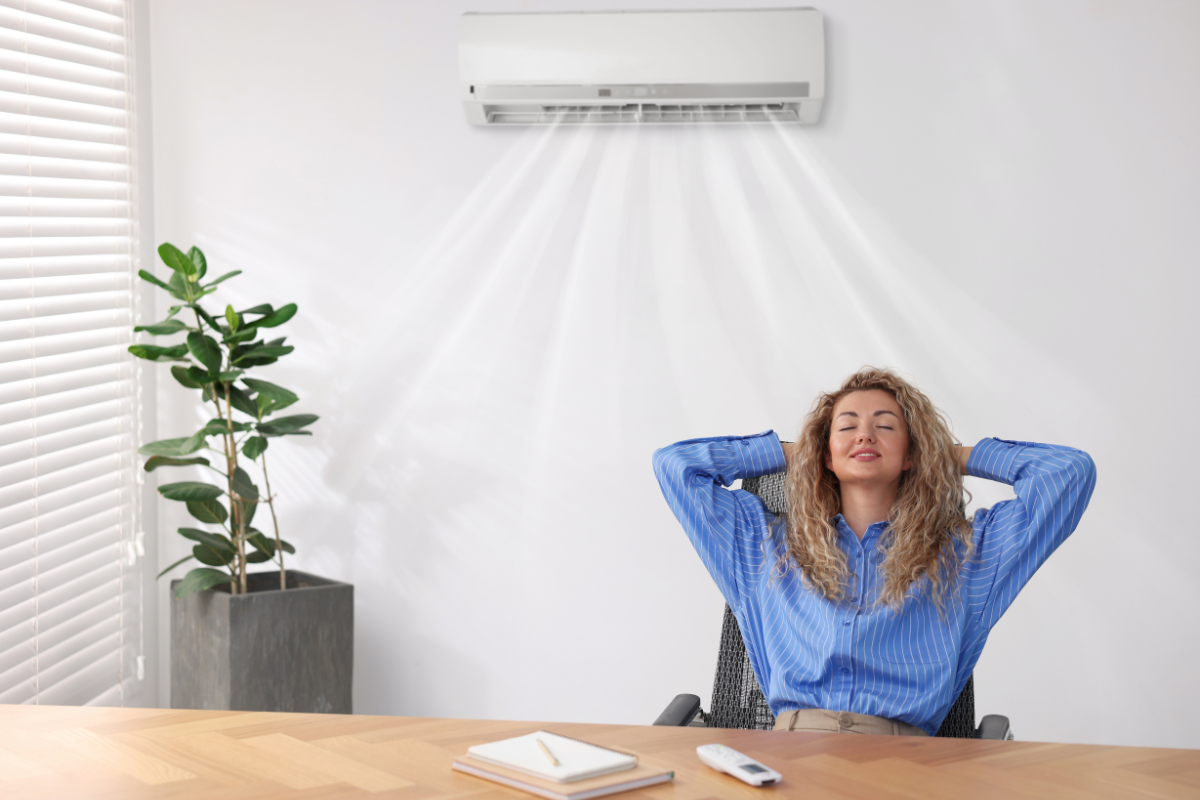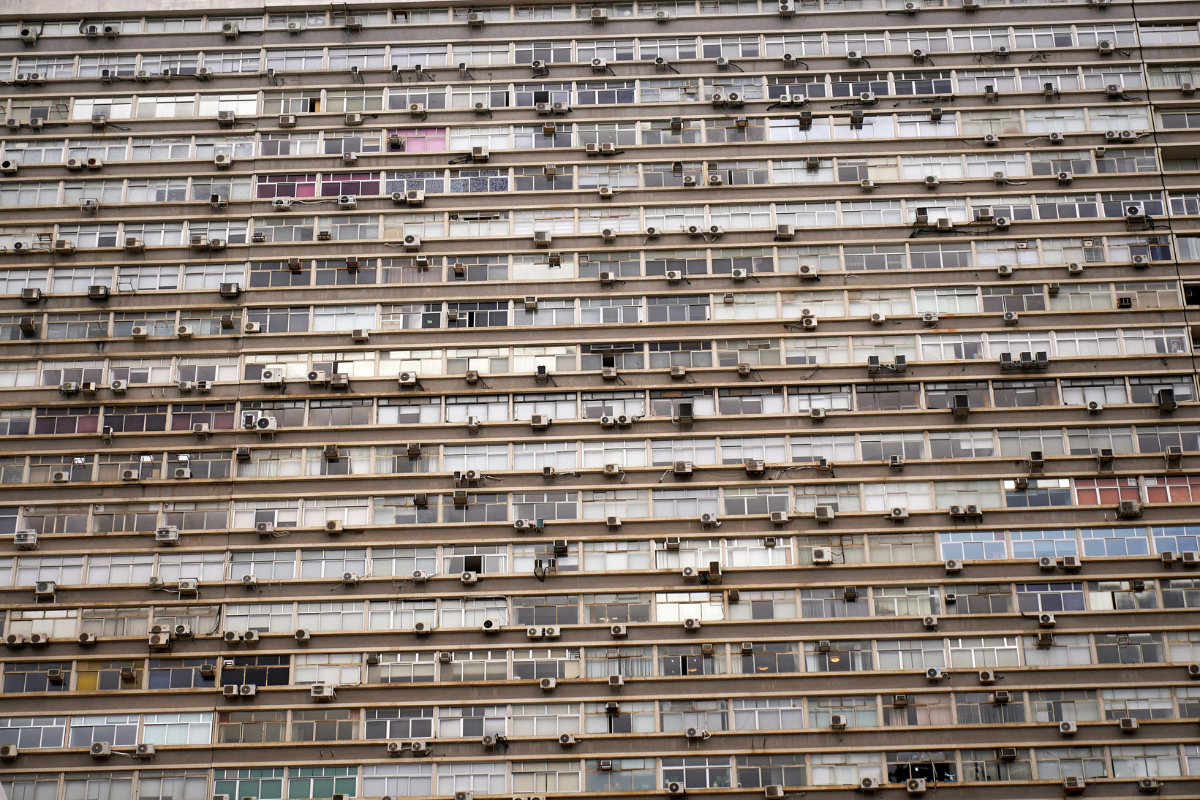
It always starts the same way. One morning, you wake up with a scratchy throat. By midday, there’s a runny nose. By night, you’re wrapped in a blanket wondering how you caught a summer cold in the middle of hot weather, especially when you barely left the house, except to enjoy the comfort of your air conditioning. So naturally, the question comes up: Is my air conditioner making me sick? On the Gold Coast, where air conditioners often run day and night through summer, this is a concern we hear from both residential and commercial air conditioning owners. The short answer is reassuring: cold air itself isn’t the real problem. But the full story is a little more interesting. Let’s break it down with DEEPCHILL – Air conditioning Gold Coast.
Table of contents
Cold air isn’t the cause of a summer cold
Despite what we’ve all been told growing up, cold air does not cause colds.
A summer cold, just like a winter one, is caused by viruses, not temperature. In fact, many viruses actually thrive better in warm, humid environments rather than cool ones. From a purely scientific point of view, a well-cooled space is often less friendly to germs than a hot, stagnant room.
So why does it feel like air conditioning is to blame?
Because while cold air doesn’t create illness, the environment around poorly managed air conditioning can make your body more vulnerable.
And that’s where the real issue begins.

So what is the actual cause?
During an Australian heatwave, your body is already under pressure.
Prolonged days of extreme heat, warm nights that disrupt sleep, dehydration, and constant exposure to high humidity all place extra strain on your immune system. On the Gold Coast, heatwaves often push air conditioners to run longer and harder than usual: at home, in offices, and across commercial spaces.
When intense outdoor heat meets aggressively cooled indoor environments, small stresses can quietly add up, creating the perfect conditions for a summer cold to creep in.
1. Temperature shock during heatwaves
Heatwaves intensify one of the most overlooked triggers of summer illness: sudden temperature swings.
Stepping from 35°C outdoor heat straight into a very cold, air-conditioned room forces your body to constantly recalibrate. This thermal shock diverts energy away from your immune defences, leaving you more vulnerable to viruses.
This pattern is especially common during Australian heatwaves in:
- Offices with strong cooling systems
- Shopping centres
- Homes where AC is set too low for relief
It’s a frequent issue in commercial air conditioning Gold Coast environments, where comfort demands often override temperature balance.
2. Dry air makes it easier for a summer cold to start
Extended air conditioning use during heatwaves strips moisture from indoor air.
Dry air irritates your nose, throat, and sinuses – the body’s first line of defence against viruses. Once these membranes dry out, they become less effective at filtering germs, allowing infections to take hold more easily.
That’s why many people notice summer cold symptoms during heatwaves, even though they spend most of their time indoors.
3. Dirty filters and poor air quality
This is one of the most overlooked causes.
When air filters aren’t cleaned or replaced regularly, they can circulate:
- Dust and fine particles
- Pollen and allergens
- Mould spores and bacteria
The symptoms that follow: sneezing, coughing, congestion, sore throat – often feel exactly like a cold, even when there’s no virus involved. This affects both residential air conditioning Gold Coast homes and busy commercial spaces with high foot traffic.
In many cases, it’s not illness – it’s air quality.
How you can stay healthy while using air conditioning
The goal isn’t to avoid air conditioning, especially in a Gold Coast summer, but to use it in a way that supports your health, not works against it.
Keep temperatures moderate
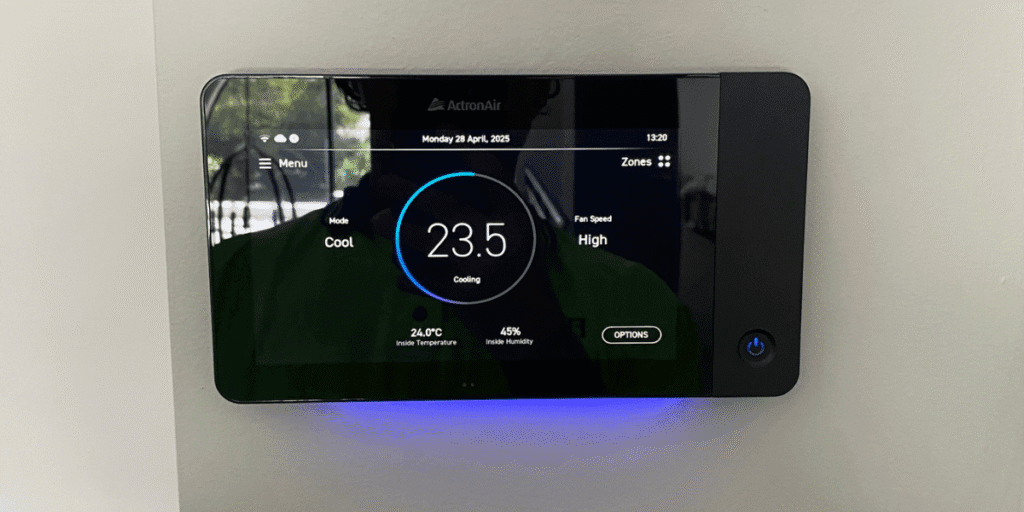
Instead of setting your system to very cold levels, aim for a comfortable range (around 22-24°C). This reduces thermal shock and keeps your body from working overtime to adjust.
Avoid all-night overcooling
Running your air conditioner on full blast while you sleep can dry the air and put unnecessary stress on your body. Using sleep mode or timers helps maintain comfort without overdoing it.
Maintain clean filters and airflow
Regular filter cleaning is one of the most effective ways to reduce cold-like symptoms at home or at work. Clean airflow means fewer irritants, fewer allergens, and better breathing overall.
This is especially important for:
- Families with children or elderly members
- Offices with shared air systems
- High-use commercial spaces during summer
Balance indoor air
Allow fresh air circulation when possible – early mornings or evenings are ideal. Even short periods of ventilation can dramatically improve indoor air quality.
The bottom line: It’s not the air conditioner – It’s how you use it
A summer cold isn’t caused by cold air alone. It’s the combination of temperature stress, dry air, and poor indoor air quality that creates the problem.
With the right setup and maintenance, air conditioning can actually support healthier indoor living: keeping spaces cool, breathable, and comfortable through the harshest summer days.
Whether you’re having a residential or commercial conditioning systems, thoughtful air-conditioning habits make all the difference.
And when your system starts affecting how you feel, not just how comfortable you are, that’s your body telling you it’s time to look a little closer.