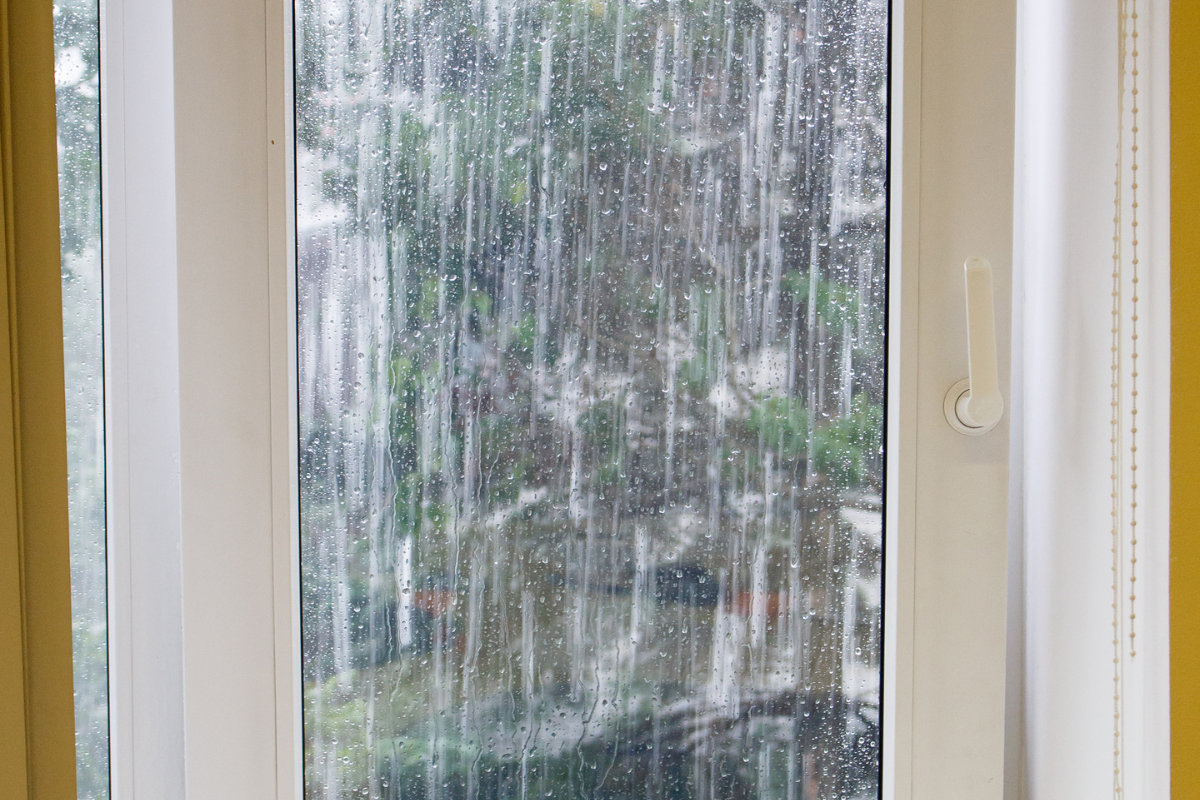
This week, Queensland residents have been urged to stay alert as the Bureau of Meteorology (BOM) issued multiple Severe Thunderstorm Warnings across the Greater Brisbane region and surrounds — including Logan, Beaudesert, and the Scenic Rim. With storms of this intensity sweeping through South-East Queensland, many Gold Coast homeowners are now asking: “Is it safe to use the air conditioner during thunderstorms?”.
Table of contents
The short answer
Not always. While you can sometimes use your air conditioner during light rain, it becomes risky during thunderstorms with lightning or unstable power.
If you hear thunder nearby or see frequent lightning flashes, the safest option is to turn off and unplug your air conditioner until the storm passes.
Risks of using air conditioner during thunderstorms
1. Power surges from lightning
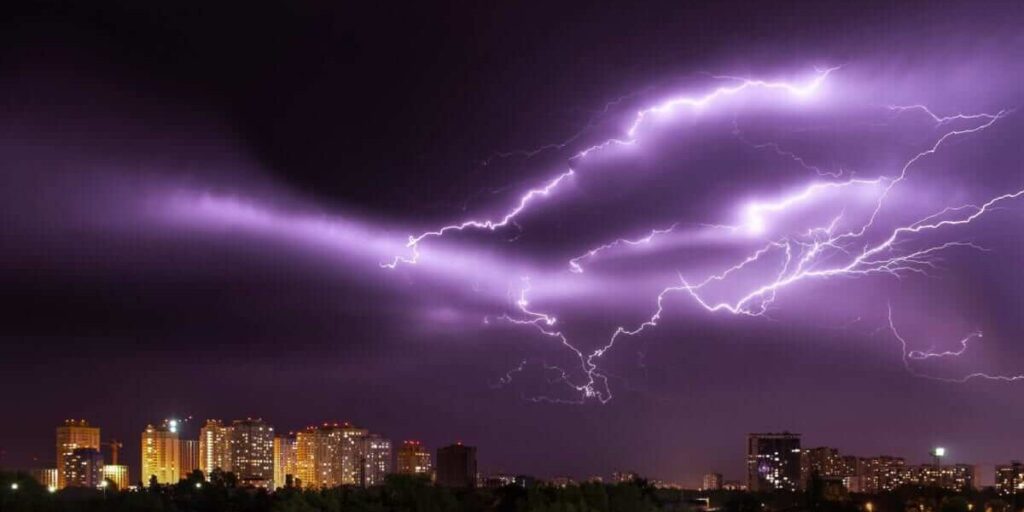
When lightning strikes power lines, it can send a surge of electricity through your home’s wiring. This surge may burn out the compressor or control board, which are costly to replace – especially in inverter-type systems common across Gold Coast homes.
2. Electrical fires or short circuits
A sudden voltage spike can melt internal wiring insulation, creating a fire hazard or short circuit. This risk increases if your air conditioner or switchboard isn’t properly grounded.
3. Outdoor unit damage from wind and debris
Severe Queensland storms often come with gusty winds strong enough to lift branches or tiles. If your condenser is running, debris can bend fan blades or block airflow, causing overheating or system failure.
4. Voltage instability after power outages
When electricity returns after a blackout, voltage levels fluctuate. Turning on your air conditioner too soon can damage capacitors or motors.
What experts recommend
HVAC professionals like Danny Pen, President of New Era Plumbing & HVAC (USA), recommend turning off both your thermostat and the circuit breaker when thunderstorms are nearby. Even surge protectors cannot always absorb a strong lightning-induced current.
Similarly, Anthony Weinburg, HVAC-R instructor at Fortis College, warns that intense surges can melt capacitors and control boards, leading to system-wide damage that affects both cooling and heating functions.
When it’s safe to use your air conditioner
You can safely use your system during light rain or mild storms – as long as there’s no lightning, thunder, or high wind warnings.
Homes with:
- Proper surge protection,
- A voltage stabiliser
- Professionally grounded wiring
Can generally run the system for short periods with minimal risk.
However, always monitor the Bureau of Meteorology’s live alerts and be ready to power down when severe weather moves closer.
Safety tips for Gold Coast homes
- Install a surge protector: Add one to your main switchboard or directly to the AC circuit.
- Use a voltage regulator or UPS: Prevents sudden spikes or drops from damaging components.
- Turn off and unplug during storms: Especially when you see lightning flashes or hear thunder nearby.
- Maintain proper grounding: Have a licensed air conditioning Gold Coast technician check your system yearly.
- Inspect after the storm: Clear debris around your outdoor unit and ensure there’s no standing water.
Conclusion
With Queensland’s storm season now active, it’s important to balance comfort with caution.
So is it safe to use the air conditioner during thunderstorms?
Not during severe ones. When thunder roars, it’s time to switch off.
Protect your investment and your home by following expert-backed safety measures. And if you need professional advice or post-storm inspection, trust DEEPCHILL – your air conditioning Gold Coast specialists – to keep your comfort safe, season after season.