Living on the Gold Coast means sun, surf, and… serious moisture. While we love the beach vibes, the heavy air inside our homes is a different story. If your home feels “sticky”, smells a bit musty, or your electricity bill is skyrocketing, your air conditioner is likely fighting a losing battle against humidity.
Table of contents
How high is humidity in the Gold Coast?
On the Gold Coast, we aren’t just dealing with “general” Australian weather, we are dealing with a unique coastal microclimate.
According to the Bureau of Meteorology (BOM) at the Gold Coast Seaway, our outdoor relative humidity frequently hits 70% to 80%, and during our humid summer mornings, it’s not uncommon to see it climb even higher. Even on a “clear” day, that coastal salt air carries a massive moisture load into your living room.
Is 70% humidity very high? In short: Yes. For a healthy and comfortable home, experts recommend keeping indoor relative humidity between 30% and 50%. Once you cross that 60–70% threshold, your home isn’t just “sticky”, it becomes a breeding ground for:
- Dust mites: These tiny triggers for asthma and allergies absolutely thrive at 70% humidity.
- Mould & mildew overdrive: Mould can start growing at 55%, but at 70%, it goes into overdrive on your walls, carpets, and – most dangerously – inside your AC unit’s dark coils.

Is it bad for an air conditioner?
Many homeowners think an AC just “cools” the air. In reality, a huge part of its job is to remove moisture.
When the Gold Coast humidity hits hard, your system has to work twice as hard to “squeeze” the water out of the air before it can even start lowering the temperature. Here is the effect on your system:
- The “never-ending” cycle: Because humidity cancels out the cooling effect, your AC runs longer and at a higher capacity.
- Rising power bills: More work equals more electricity. A struggling AC is a major drain on your wallet.
- Internal wear and tear: High moisture levels inside the unit can lead to rusted components and a buildup of “slime” in the drain lines, leading to messy leaks.
Pro Tip: A bigger AC isn’t always better. If a unit is too powerful, it cools the room so fast that it shuts off before it has time to dehumidify the air, leaving you in a cold, clammy room.
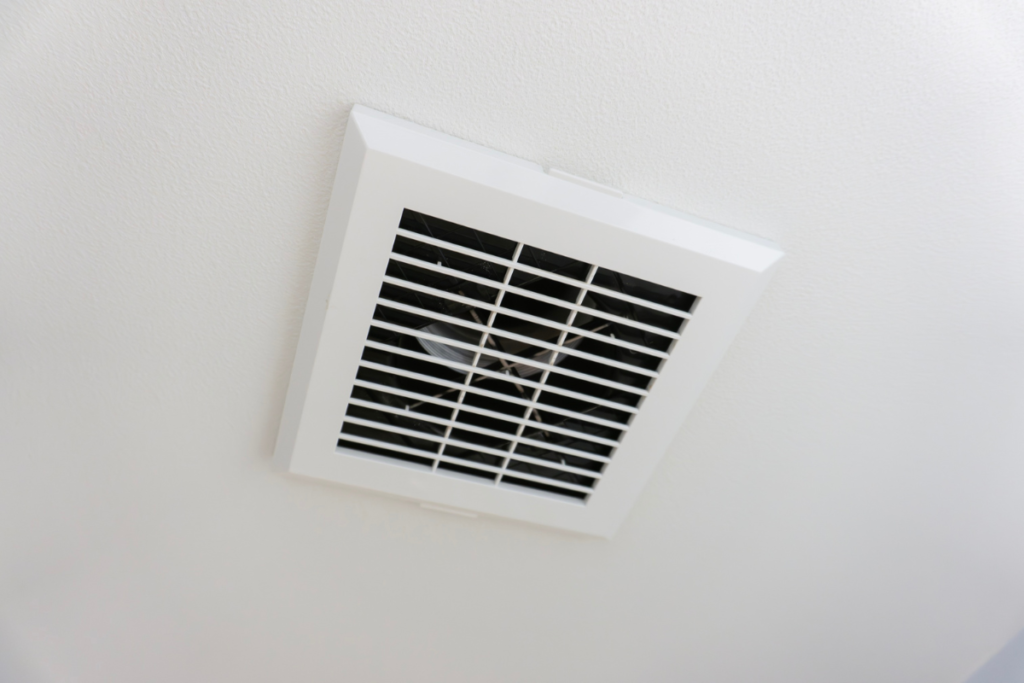
Signs your home needs a “health check”
If you notice any of these, your air conditioning in Gold Coast is likely struggling with the moisture load:
- Musty odours: That “old basement” smell when you turn the AC on? That’s mould.
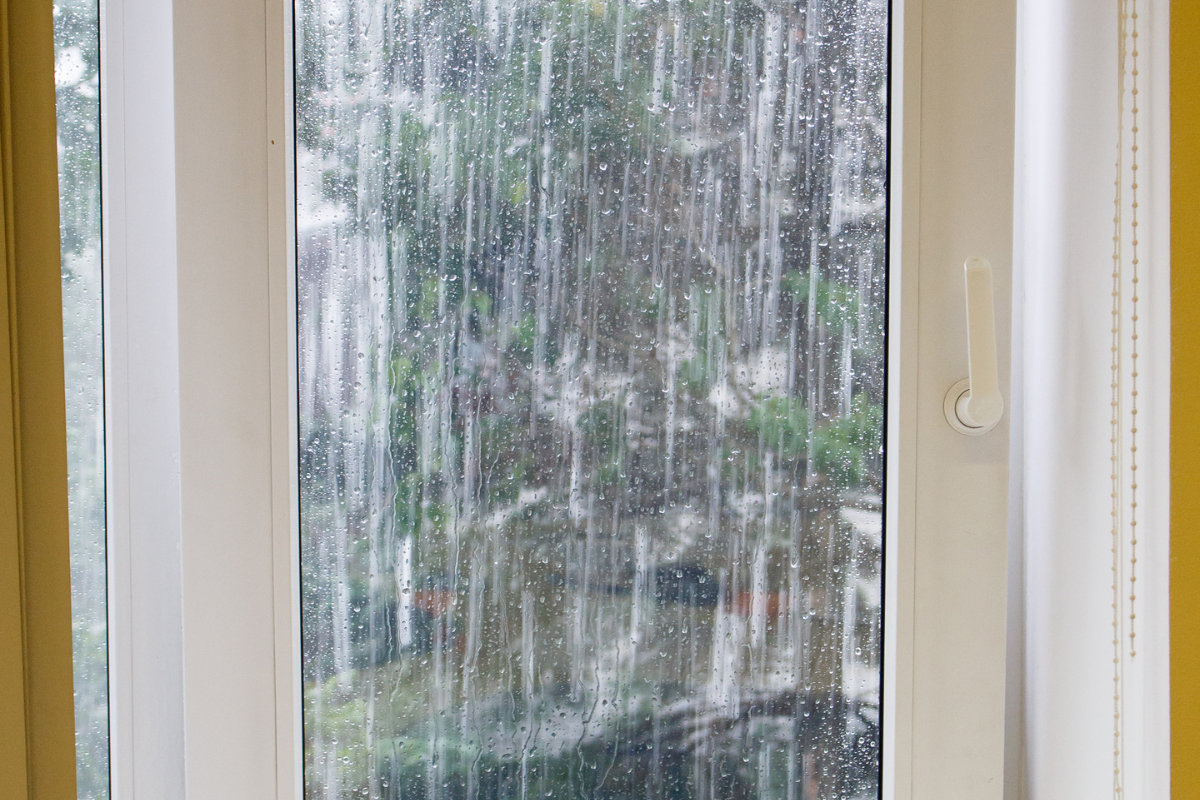
- Foggy windows: Condensation on your glass in the morning is a red flag for high indoor humidity.
- Clammy skin: If the air feels “heavy” or your skin feels sticky even when the AC is on.
- Health triggers: Increased sneezing, coughing, or itchy eyes when you’re indoors.
The solution: Don’t wait for a breakdown!
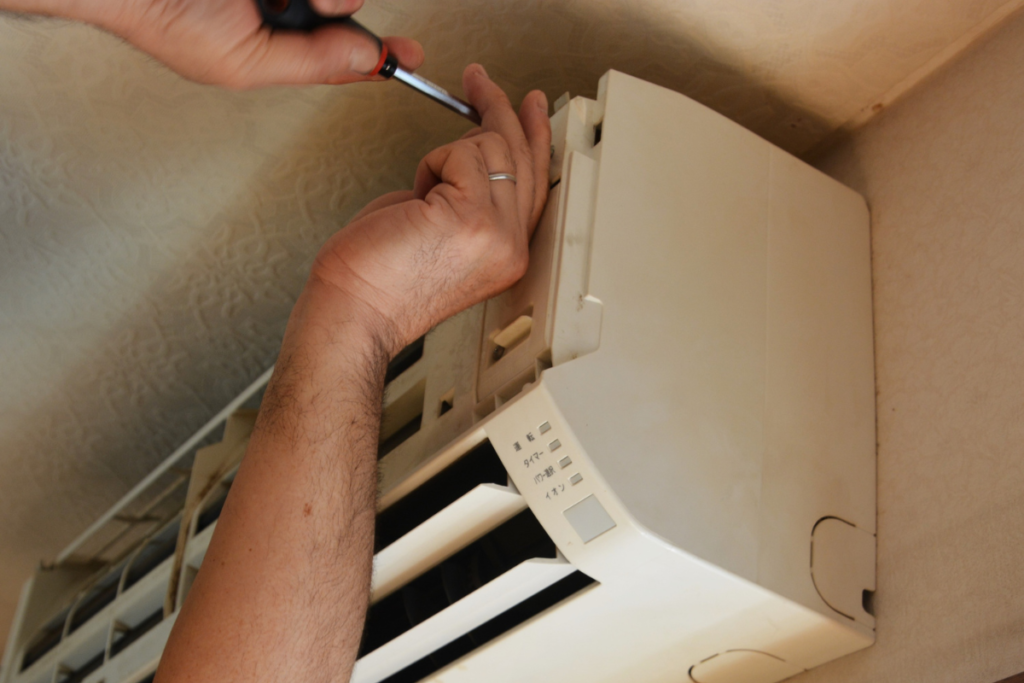
The best way to handle the Gold Coast climate is through preventative maintenance. A professional check ensures your system is actually “breathing” correctly. We don’t just check the temps; we ensure your unit’s dehumidification function is peak-performing, clearing out the mould-prone areas before they become a health hazard.