When the Gold Coast summer hits hard, many homeowners start wondering: Should I cover the outdoor unit to protect it from the heat? It seems logical – after all, we cover our cars and garden furniture. But when it comes to air conditioners, covering the outdoor unit in hot weather can do more harm than good.
Table of contents
The short answer
No, you shouldn’t completely cover the outdoor unit in hot weather.
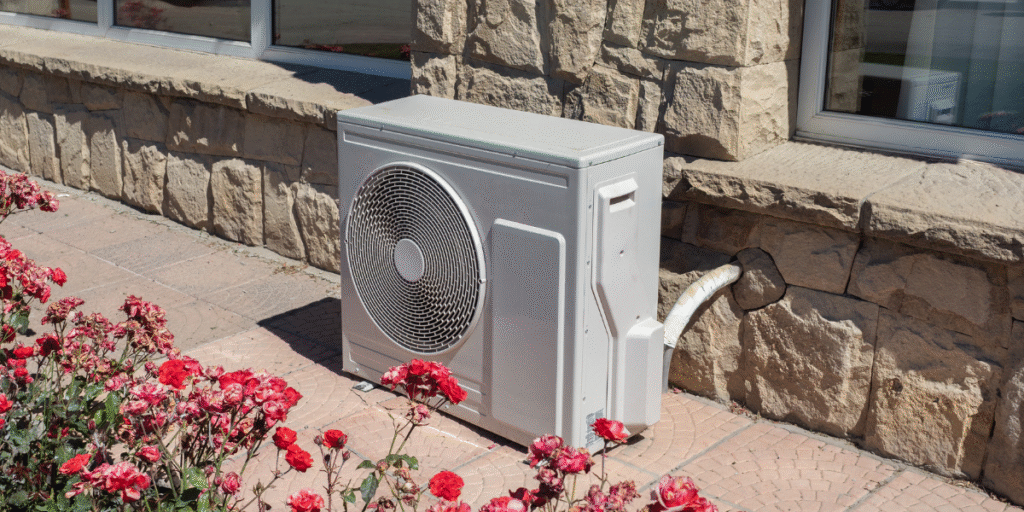
Outdoor condenser units are built to withstand extreme conditions, including direct sunlight and rain. Modern systems are designed with weather-resistant materials that protect internal components from heat, corrosion, and moisture.
While adding a protective shade or canopy can help reduce direct sunlight exposure, fully enclosing or wrapping the outdoor unit can trap heat, reduce airflow, and strain your air conditioning system.
Why you shouldn’t cover the outdoor unit in hot weather
1. It blocks airflow and causes overheating
The outdoor unit’s main job is to release the heat collected from inside your home. When it’s covered or enclosed, the trapped air can’t circulate properly – causing the system to overheat. This forces your air conditioner to work harder, wasting energy and potentially damaging the compressor.
2. It reduces energy efficiency
Poor ventilation means your air conditioner needs to run longer to reach the set temperature. Over time, this increases electricity consumption and shortens your system’s lifespan – the exact opposite of what most homeowners intend when they cover the outdoor unit.
3. It prevents natural cleaning
During summer storms, rainwater naturally washes away dust and debris from the fins. Covering the unit stops this self-cleaning effect, allowing dirt to build up and further reduce performance.
4. It can create safety hazards
Improvised covers – especially those made from fabric, plastic, or metal sheets – can loosen or collapse in strong winds, causing injuries or damaging the unit.
If you live in areas like the Gold Coast where heatwaves and coastal winds are common, a poorly secured cover could even become a flying hazard.
When a shade might help
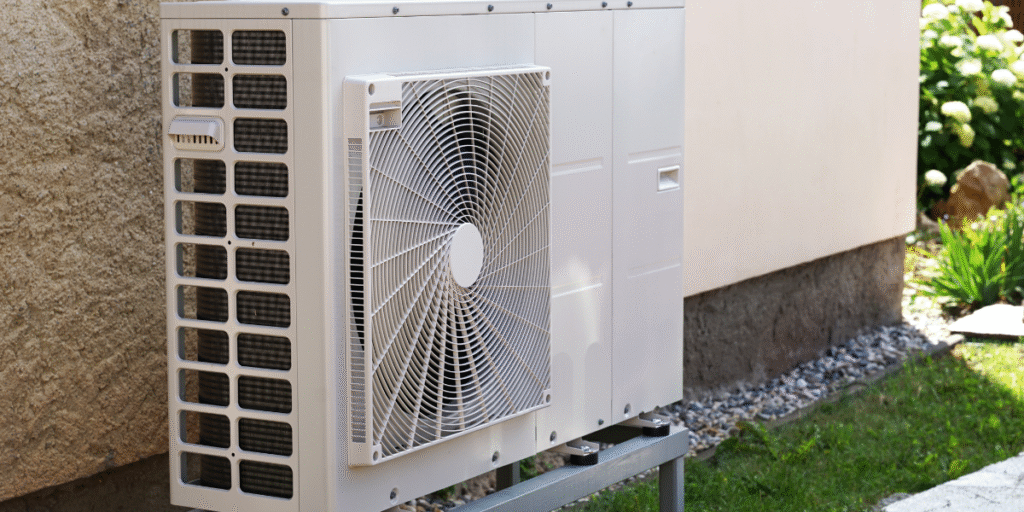
If your air conditioning outdoor unit is exposed to direct midday sunlight, installing a proper shade structure – such as a fixed canopy or awning – can slightly improve efficiency by reducing radiant heat.
However, ensure that:
- The shade doesn’t block the air outlet or intake.
- There’s at least 30 cm of clearance around all sides.
- Air can circulate freely above and behind the unit.
It’s all about balance: protection without restriction.
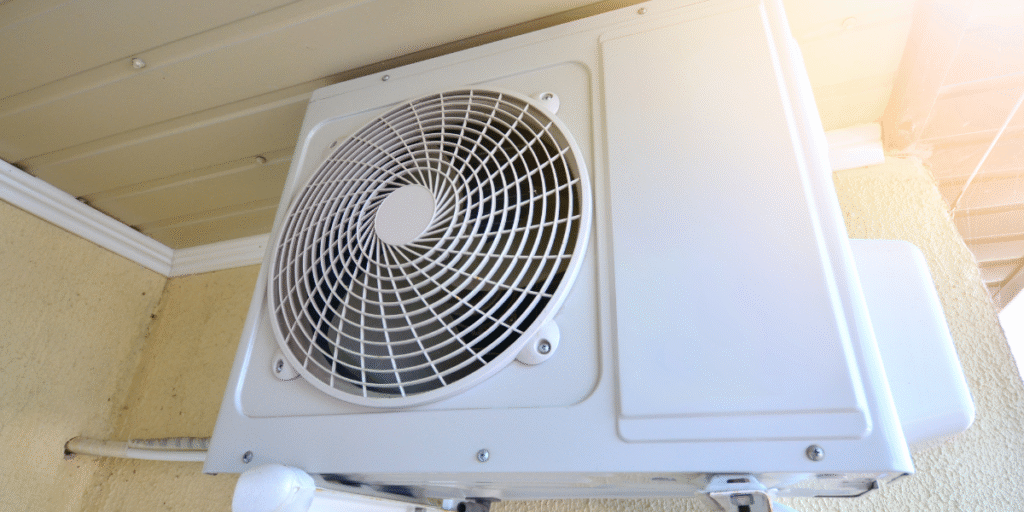
Expert advice from air conditioning Gold Coast technicians
At DEEPCHILL, our technicians have seen many units fail prematurely simply because of improper shielding or poor placement. The best protection isn’t a cover – it’s regular maintenance.
Clean your coils, clear debris, and ensure the outdoor unit is placed in a well-ventilated area with stable support.
If you’re unsure about your system’s setup, book a professional inspection with your trusted air conditioning Gold Coast team. We’ll make sure your outdoor unit is ready to handle the summer heat safely and efficiently.