Living in our humid climate, keeping your cooling system clean is crucial for your health. Whether you are a homeowner relying on residential air conditioning Gold Coast units to beat the heat, or a business manager maintaining commercial air conditioning Gold Coast systems, moisture control is key. If neglected, your unit can become a breeding ground for nasty fungi. In this guide, DEEPCHILL will show you exactly how to spot mold early and why maintaining your air conditioning Gold Coast equipment is the best way to keep your air fresh and safe.
Table of contents
The “Sniff test”: Common signs of mold
You don’t need to be an expert to know when something is “off”. Usually, your nose knows first.
1. The lingering musty smell
This is the most noticeable sign. If your room smells fresh until you turn on the AC, and then suddenly smells earthy, stale, or like damp clothes, that’s mildew.
- Split systems: If the smell is just in the lounge or bedroom, the problem is likely inside that specific unit.
- Ducted systems: If that musty scent fills your entire home or office, you might have significant buildup in your central air conditioning Gold Coast unit or ductwork.
2. Visible patches (The fuzzy stuff)
If you look closely at your air vents or the unit itself, you might see fuzzy patches. This is the surest way to spot mold. While black or green-black spots are the most common, here on the Coast, it can also appear brown, white, powdery grey, or even pink and orange.

How to spot mold in your air con safely
If the smell has tipped you off, it’s time to take a look. Here is how you can inspect your unit safely.
Safety first: Always turn off the power to your air conditioner before poking around!
For residential split systems
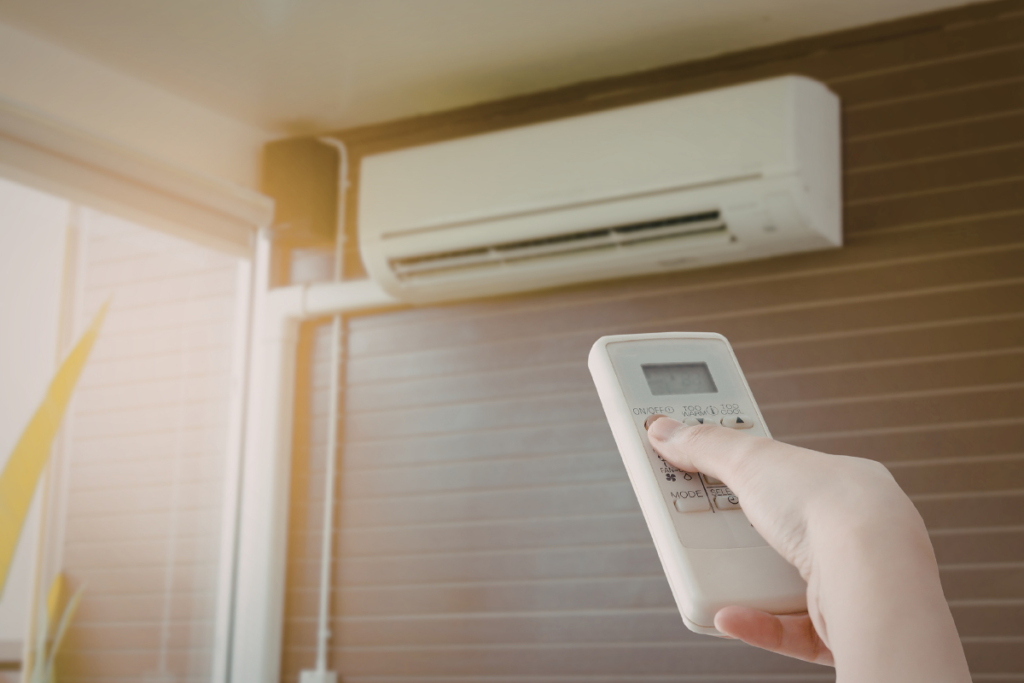
Most residential air conditioning Gold Coast homes have wall-mounted units. Here is the drill:
- Lift the face: Open the front panel.
- Check the filter: Pull the filters out. Look for brown, black, or greenish fuzzy stains.
- The flashlight test: Grab a torch and shine it behind where the filters sit. If you spot mold covering the fan blades (the roller inside), you need a deep clean.
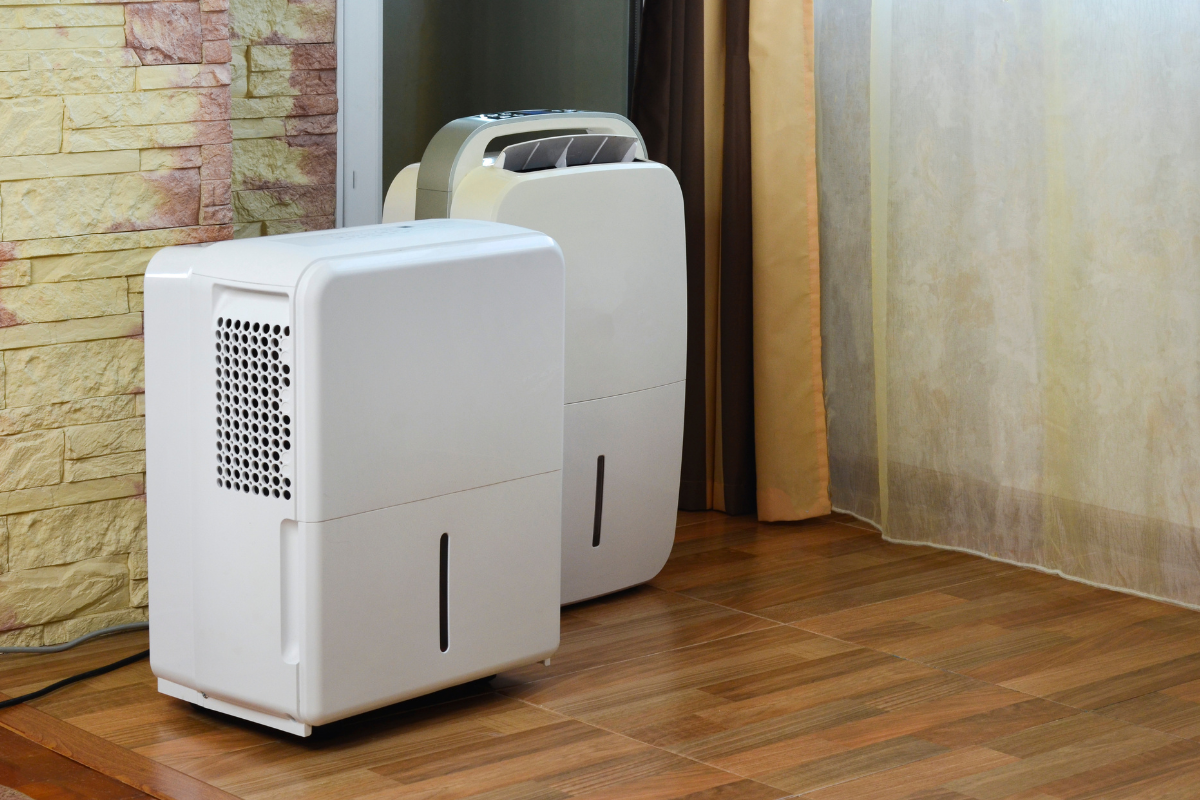
- Quick tip: While inspecting, you can run a dehumidifier or place activated charcoal nearby to help absorb that damp odour temporarily.
For ducted & commercial systems
Checking commercial air conditioning Gold Coast systems or home ducted units is trickier because the main unit is hidden.
- Inspect the vents: Use a torch to look up into your supply vents. Look for black speckles on the louvres.
- Check the return air: This is the big grille in the ceiling or wall. If the filter here is clogged and fuzzy, the spores have likely spread inside.

When to call the pros?
If you manage to spot mold, wiping it with a cloth often isn’t enough. It grows deep inside the coils where you can’t reach.
Whether you need a quick service for your residential air conditioning property or a maintenance plan for commercial air conditioning premises, DEEPCHILL’s professional cleaning is the only way to kill the spores permanently.
Don’t let the growth take over.
If you have used this guide to spot mold and didn’t like what you found, contact DEEPCHILL today. We are the trusted experts for all air conditioning needs, from small homes to large commercial air conditioning projects and residential air conditioning repairs. Let’s get your air clean again!