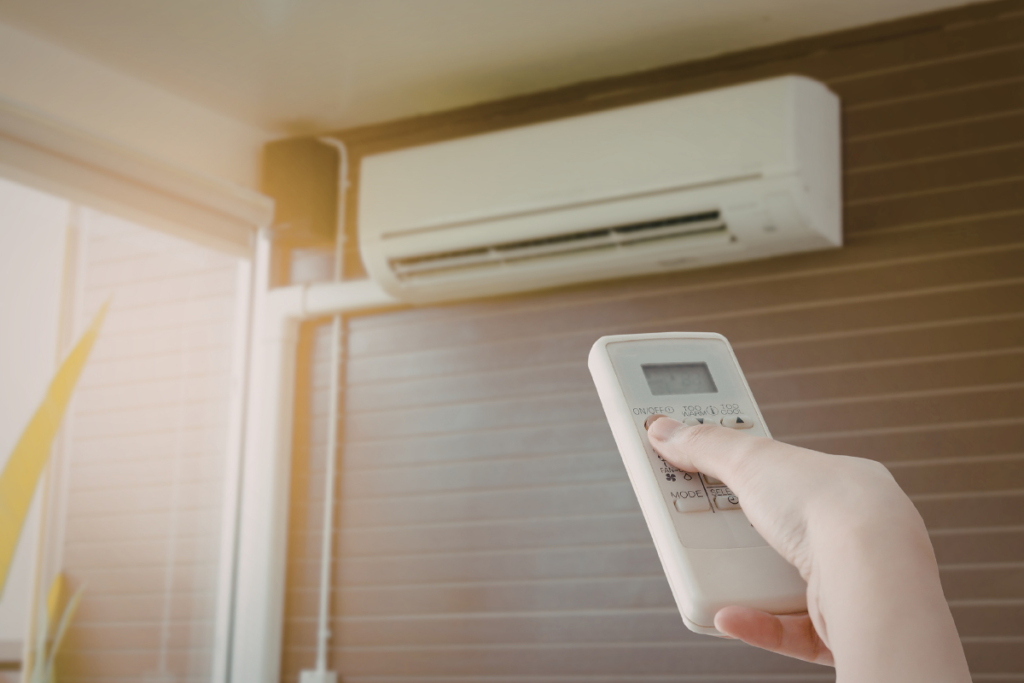
When the storm season arrives on the Gold Coast, many homeowners start asking the same question – Is it safe for rain to get into the outdoor air conditioner unit? It’s a valid concern, especially when your air conditioning Gold Coast system runs almost every day during summer. Let’s look at what really happens when rain hits your outdoor unit and how to keep it safe during severe weather.
Table of contents
The short answer
Most of the time, rain will not damage your outdoor air conditioner unit. These systems are designed to operate safely outdoors, even under heavy rainfall.
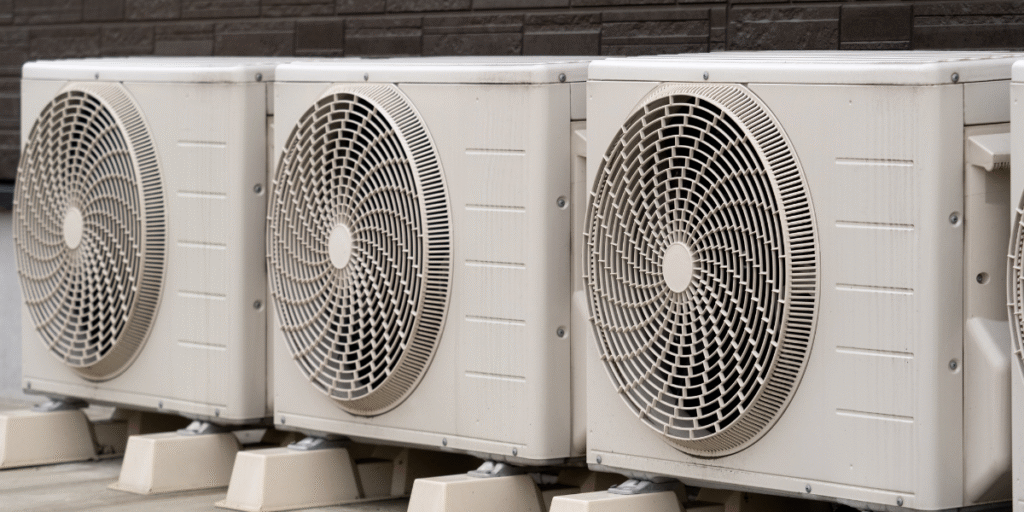
The outdoor condenser is typically made of aluminium or galvanized steel, coated with anti-corrosion paint that helps it resist water and rust. Its fan mechanism also helps push rainwater away, preventing water buildup inside the casing.
So yes – it’s completely safe for rain to get into the outdoor air conditioner unit, as long as it’s installed and maintained correctly.
However, prolonged exposure to harsh weather and poor maintenance can slowly wear down protective coatings and seals, leading to rust, electrical issues, or reduced efficiency over time.
How to prevent damage to your air conditioner during storms
Even though air conditioners can withstand the rain, it’s still smart to take precautions – especially in regions like the Gold Coast, where summer storms and high humidity are common.
1. Install the outdoor unit in the right location
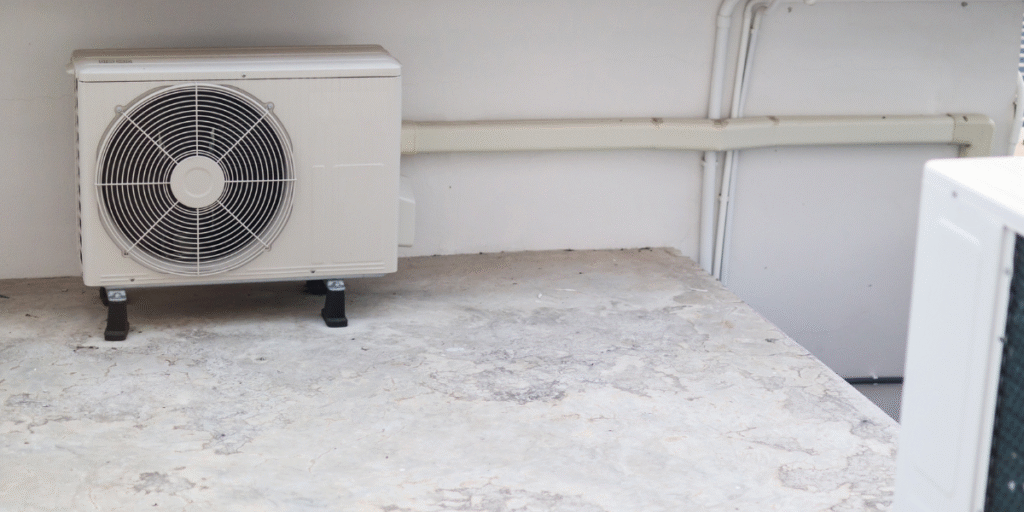
Place it in a well-ventilated, elevated, and shaded area – ideally under a roof edge or partial cover. Avoid direct exposure to gutters, falling debris, or areas prone to flooding.
2. Use a protective rain cover (but not a sealed one)
Waterproof shields or top covers can help protect your outdoor unit from constant rain, but never wrap or fully enclose the unit. Doing so can block airflow and trap heat, leading to overheating and compressor failure.
3. Check the electrical setup and drainage
Ensure that wiring, connectors, and drainage lines are properly insulated and positioned away from water exposure. Damaged cables or loose seals can allow moisture to cause short circuits or corrosion.
4. Clean the outdoor unit regularly
After each storm, inspect your air conditioner for leaves, dirt, or debris stuck to the grille or fins. A clogged outdoor unit can’t release heat properly, which reduces cooling efficiency.
5. Schedule professional maintenance
At least once a year, book a professional air conditioning service on the Gold Coast to check your system’s electrical safety, refrigerant levels, and overall performance. Qualified technicians can also apply anti-corrosion. treatments to protect your outdoor unit against future damage.
When you should worry
Rain itself isn’t harmful, but storm-related conditions like lightning or flooding can be dangerous.
- Lightning strikes can send voltage surges through your power lines, damaging your air conditioner’s circuit board.
- Flooding or standing water around the unit can damage internal components and motor bearings.
If you experience these, turn off the system completely and call a licensed technician before using it again.
Final thoughts
The outdoor unit of your air conditioner is built to survive the rain – but not neglect.
Regular cleaning, strategic placement, and professional maintenance can keep it running efficiently through Gold Coast’s wettest months.
If you want peace of mind during storm season, contact DEEPCHILL – air conditioning Gold Coast. Our team offers expert maintenance and weather protection solutions to keep your cooling system performing safely all year round.