Multi-storey living is part of what makes the Gold Coast lifestyle so iconic. From the beachside townhouses in Coolangatta to spacious homes in Runaway Bay, more and more locals are choosing to build up, not just out.
Today, multi-storey living is not just a trend, it’s a defining feature of the city’s landscape. In the Gold Coast, there are approximately 800 high-rise buildings, stretching from Runaway Bay in the north to Coolangatta in the south. This evolution reflects a shift in lifestyle preferences, as limited land availability and the demand for coastal living push development upward rather than outward.
But with that elevation comes a common challenge: uneven cooling across levels, especially during the intense summer months.
At DEEPCHILL, the team has spent over 40 years helping Gold Coast families create year-round comfort in their multi-level homes. Drawing on decades of real-world experience, they’ve developed proven strategies to overcome the unique cooling challenges of multi-storey living.
This guide shares DEEPCHILL’s most effective techniques based on real homes, real results, and expert insights, to help you enjoy every level of your home, no matter the season.
Why Cooling Multi-Storey Homes Isn’t Always Straightforward
While the average air conditioning system is designed for single-storey layouts, multi-level homes come with added complexity:
- Hot air rises, so upper floors tend to be significantly warmer.
- Sunlight exposure varies: west-facing rooms can feel like saunas in the afternoon.
- Closed doors and blocked vents often prevent proper airflow.
- Different spaces require different conditions: bedrooms, kitchens, living rooms all have unique needs.
These variables make it hard for a single thermostat to deliver consistent comfort across the whole home.
The DEEPCHILL Approach: Smart Zoning & Strategic Planning
DEEPCHILL takes a tailored approach to every multi-storey home. Here are their key recommendations:
1. Zoning – The Foundation Of Efficient Comfort
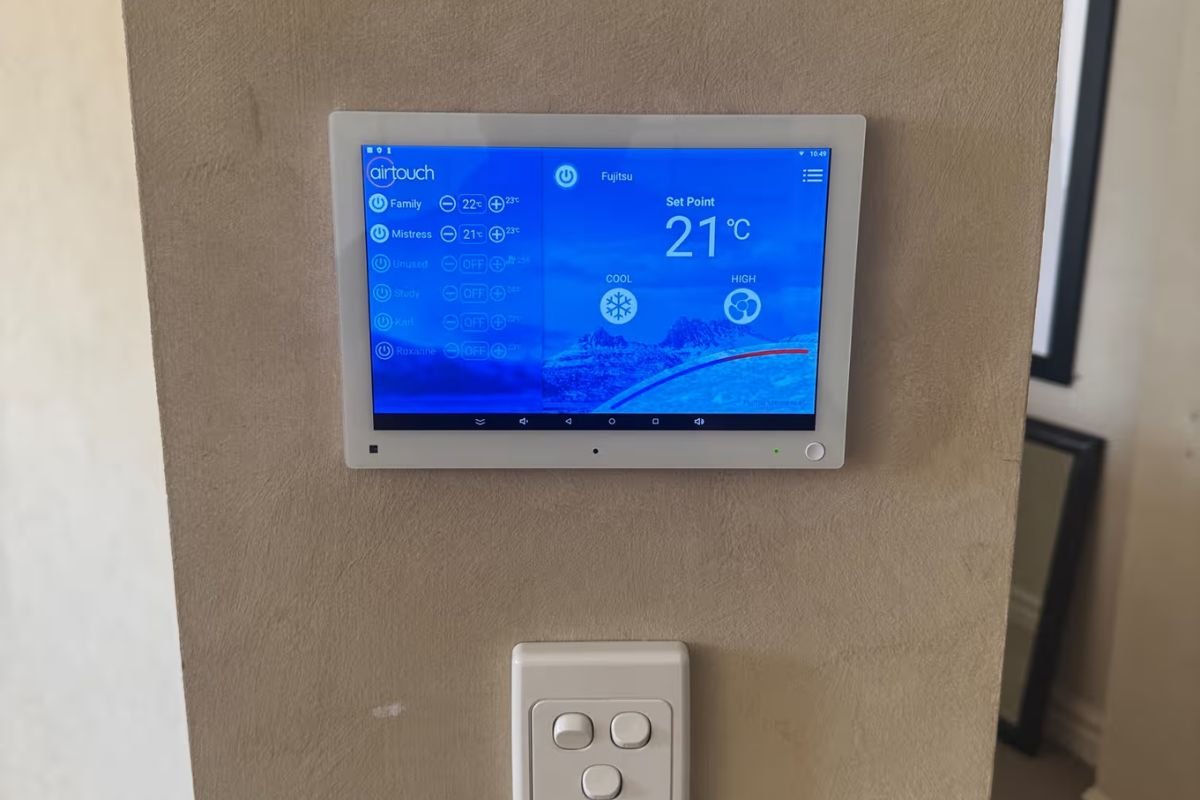
The most effective way to tackle temperature differences is with a zoned cooling system.
- For two-storey homes, DEEPCHILL may recommend multi-split systems or ducted zoning, giving each floor independent temperature control.
- For three-storey homes or larger properties, the team breaks the home into multiple cooling zones, factoring in layout, room use, and sun exposure.
A detailed heat load calculation ensures that every system is sized correctly, which means no overcooling, no energy waste.
2. Smart Thermostats For Smarter Living
Pairing zoning with smart thermostats gives homeowners more control over comfort and energy use:
- Set schedules to match daily routines.
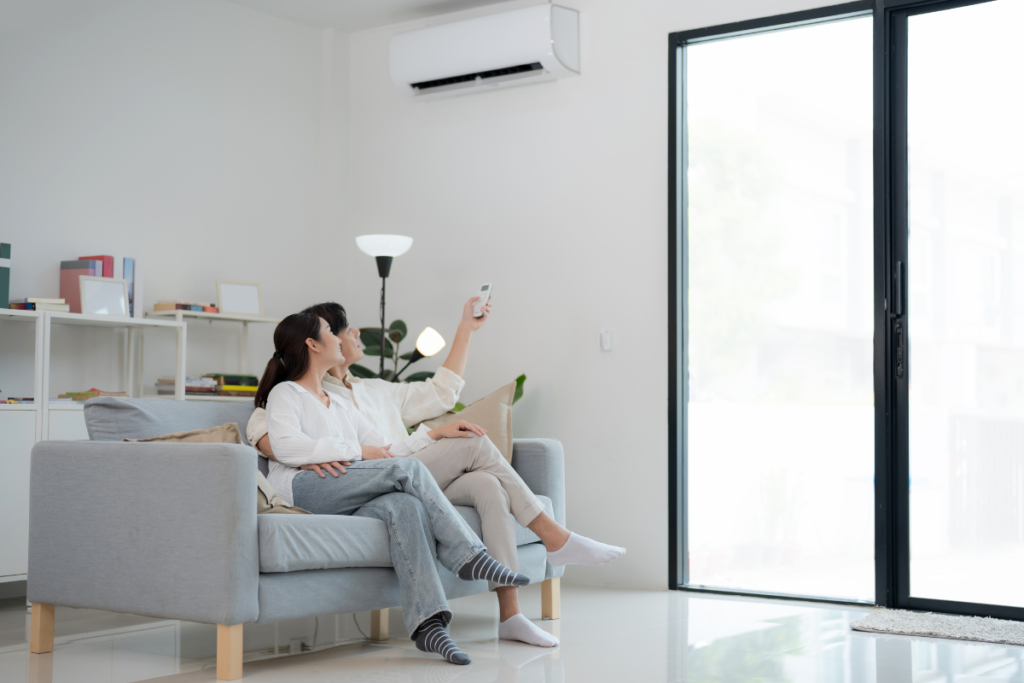
- Control remotely via smartphone.
- Synchronise zones so different areas don’t overwork to compensate for each other.
Clients often report improved efficiency and greater comfort with these simple upgrades.
3. Unit Placement & Airflow: Get The Basics Right
Proper placement of indoor units is essential for performance. DEEPCHILL technicians ensure:
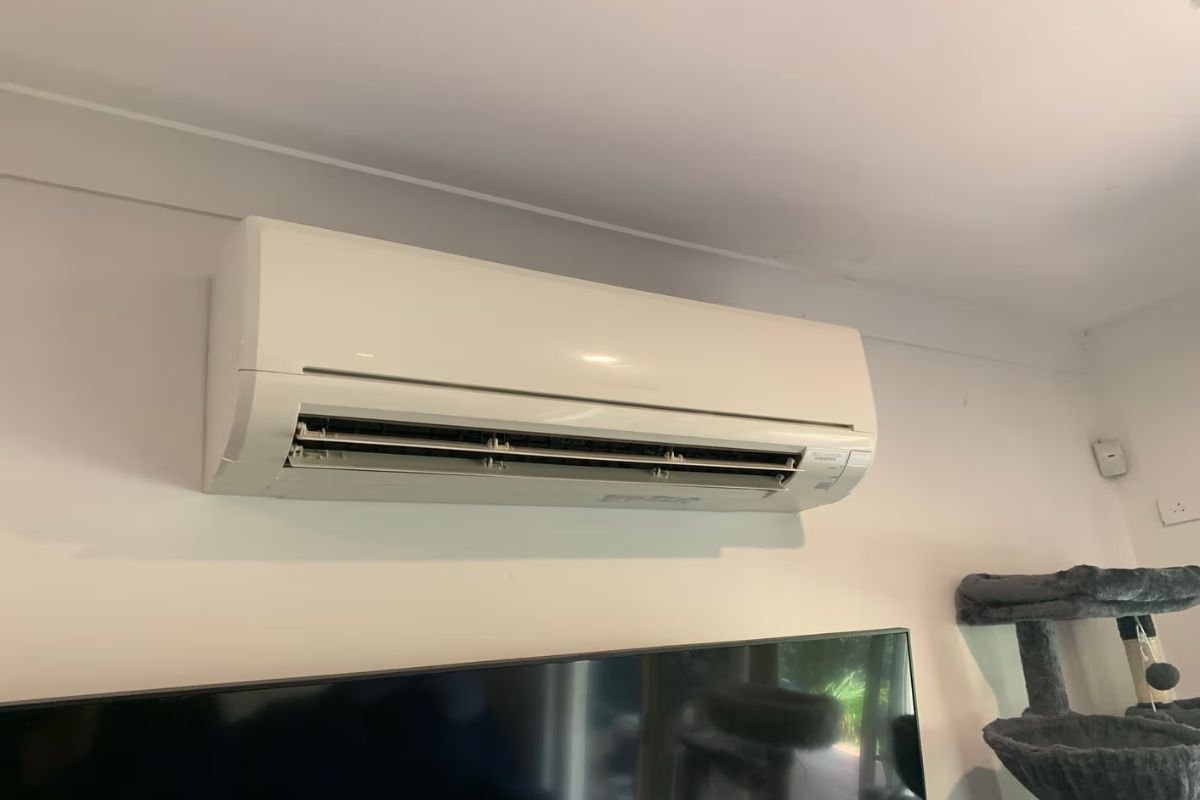
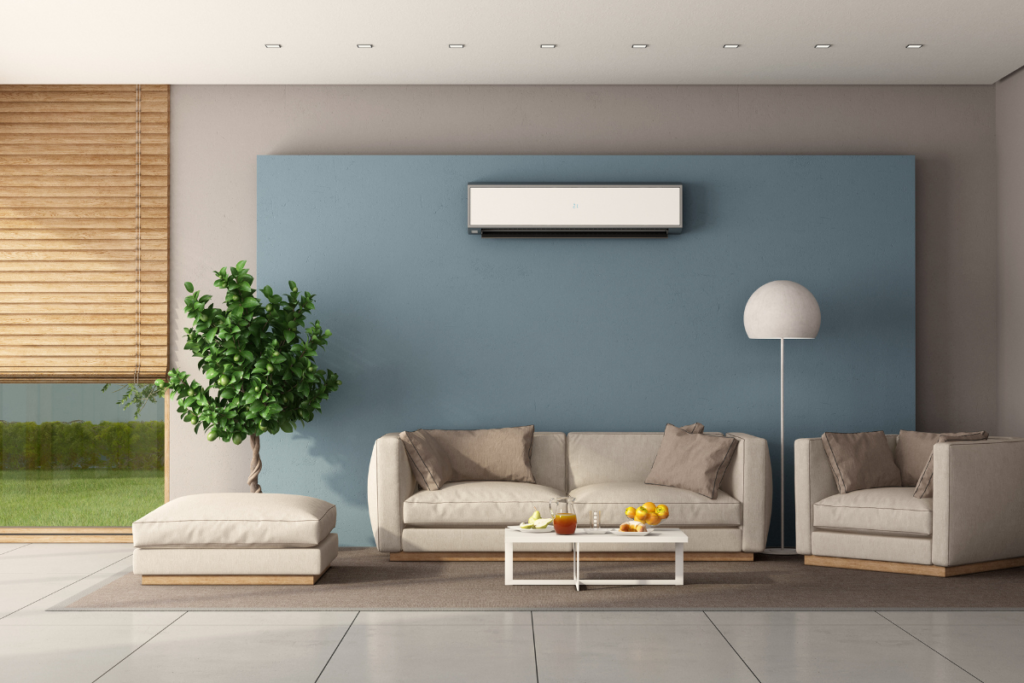
- Units are mounted high on walls so cool air can sink and spread evenly.
- There’s no furniture or electronics blocking airflow.
- Vents are left unobstructed, and airflow is directed where it’s needed most.
Complementing AC with ceiling fans also enhances circulation, helping cool air reach all corners without needing to drop the temperature.
4. Adjusting Temperature Settings Between Floors
To balance temperatures efficiently, DEEPCHILL recommends this simple method:
In summer (cooling mode):
- Top floor: 25°C
- Middle floor: 26°C
- Ground floor: 27°C
In winter (heating mode):
- Ground floor: 21°C
- Middle floor: 20°C
- Top floor: 19°C
This strategy works with natural airflow – letting cool air sink in summer and warm air rise in winter to reduce energy use and system strain.
5. Don’t Shut Off Unused Floors, Adjust Them
Instead of turning the AC off completely in unoccupied areas, DEEPCHILL advises homeowners to set a modest temperature difference (2–3°C higher in summer or lower in winter).
This keeps temperatures stable across the house, preventing hot or cold air from shifting suddenly and forcing the system to overwork.
Why Homeowners Across The Gold Coast Trust DEEPCHILL
DEEPCHILL has earned a strong local reputation by focusing on what matters most: personalised service, honest advice, and lasting comfort.
- Over 40 years of experience working with multi-storey homes across the Coast
- Heat load assessments, tailored system designs, and zoning advice
- Specialists in energy-efficient inverter systems and smart thermostats
- Fully licensed and qualified technicians
- Ongoing support with repairs, servicing, and maintenance
Whether it’s a townhouse, duplex, or multi-level family home, DEEPCHILL designs systems that suit how people actually live.
Don’t settle for inconsistent temperatures between floors. Let DEEPCHILL help you create a home that’s cool, comfortable, and energy-efficient every day of the year.