As the Gold Coast steps into another scorching holiday season – sticky afternoons, 30°C+ heatwaves, and long nights of humidity – homeowners naturally rely on their air conditioners more than ever. But running your AC hard during a heat wave can strain your system, spike your energy bills, and shorten the lifespan of your unit. The good news? With the right habits, you can stay comfortable while reducing energy load and preventing unnecessary wear. Here’s the most efficient way to run AC during the heat wave, backed by engineering insights and DEEPCHILL’s 40+ years of hands-on experience in air conditioning Gold Coast.
Table of contents
- 1. Start early: Pre-cool your home
- 2. Keep your filters and coils clean
- 3. Set smart temperatures (Don’t go too low)
- 4. Block out the heat before it enters
- 5. Improve airflow with fans
- 6. Give your outdoor unit breathing space
- 7. Book professional maintenance before peak summer
- Stay cool, save power, and protect your AC this heat wave
1. Start early: Pre-cool your home
During a heat wave, the hottest window typically hits between 12 pm and 4 pm.
If you wait until noon to switch on your AC, the system has to fight against extreme outdoor heat and work harder than necessary.
Efficient method:
- Run the AC earlier in the morning (around 8–10 am)
- Bring the indoor temp down before the peak
- Let the thermal mass of your home hold the cool air
This reduces strain on both your unit and the power grid.
2. Keep your filters and coils clean
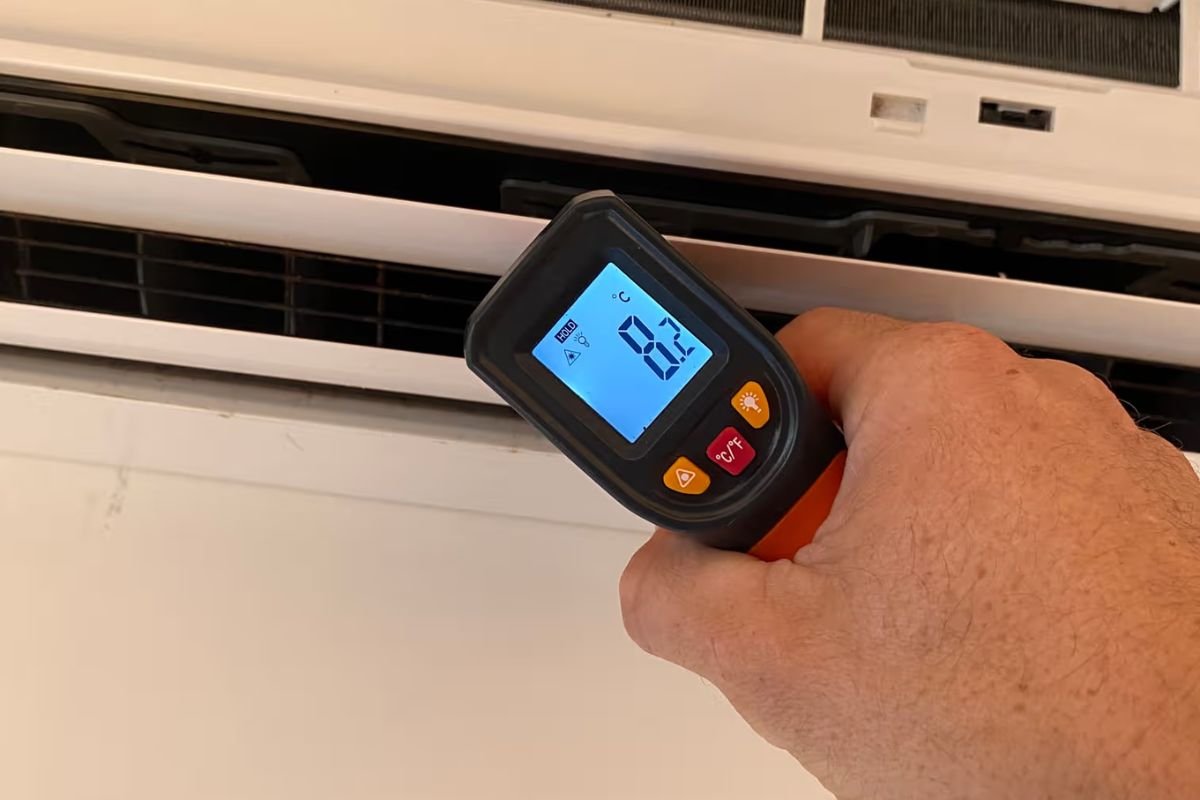
A dirty system is an overworked system.
When filters or coils clog up, airflow drops – forcing the unit to consume more electricity for less cooling.
Why it matters:
- Poor airflow = longer cooling times
- Higher energy bills
- Increased chance of breakdown during peak heat
DEEPCHILL’s recommendation:
Clean filters every 30–60 days and schedule a preventative maintenance service before summer intensifies.
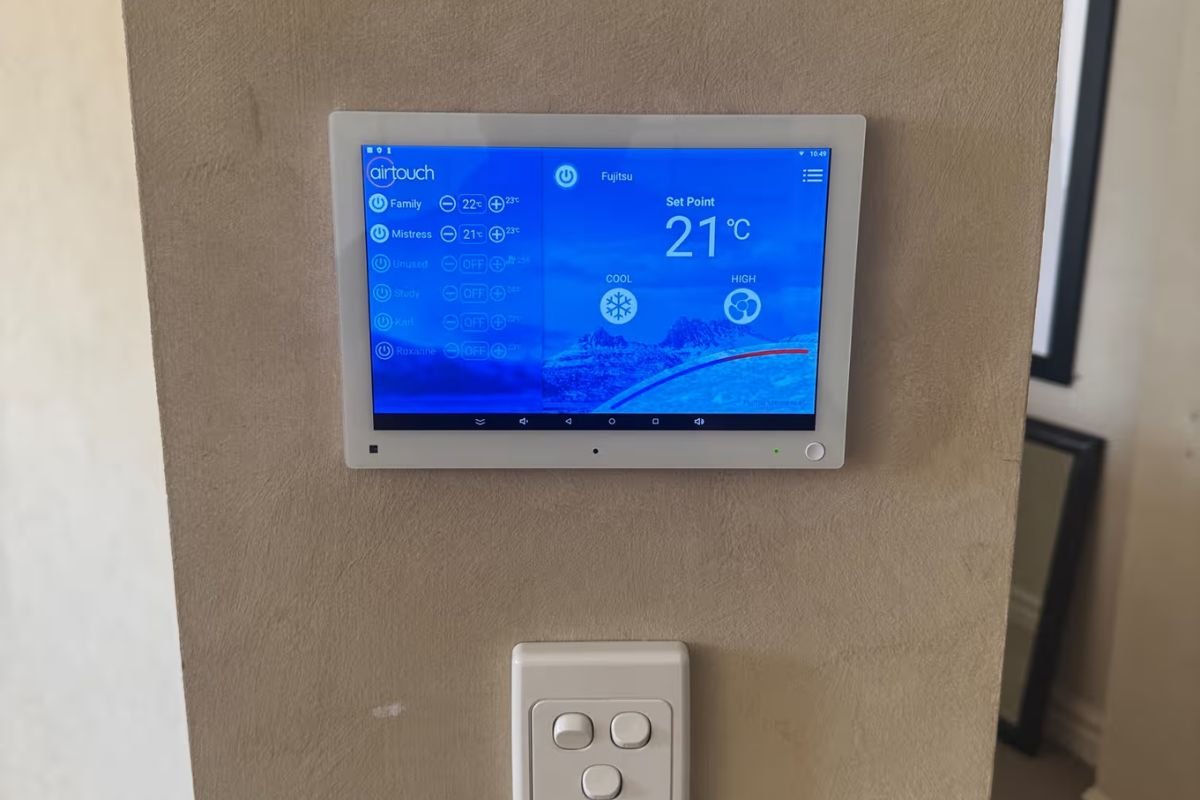
3. Set smart temperatures (Don’t go too low)
In heat waves, dropping your AC to 18°C won’t cool your home faster, it only pushes the system beyond its design limits.
Ideal Gold Coast settings:
- 24°C – 26°C for optimal comfort and efficiency
- Use fan mode to circulate cool air
- Avoid constant temperature swings
Consistent, moderate settings keep your system stable.
4. Block out the heat before it enters
Your AC shouldn’t fight the sun alone.
Practical steps:
- Close blinds, curtains, and large sun-facing windows
- Reduce cooking or heat-heavy activities during peak hours
- Seal gaps around doors to keep cool air inside
Every bit of heat you block reduces the load on your AC.
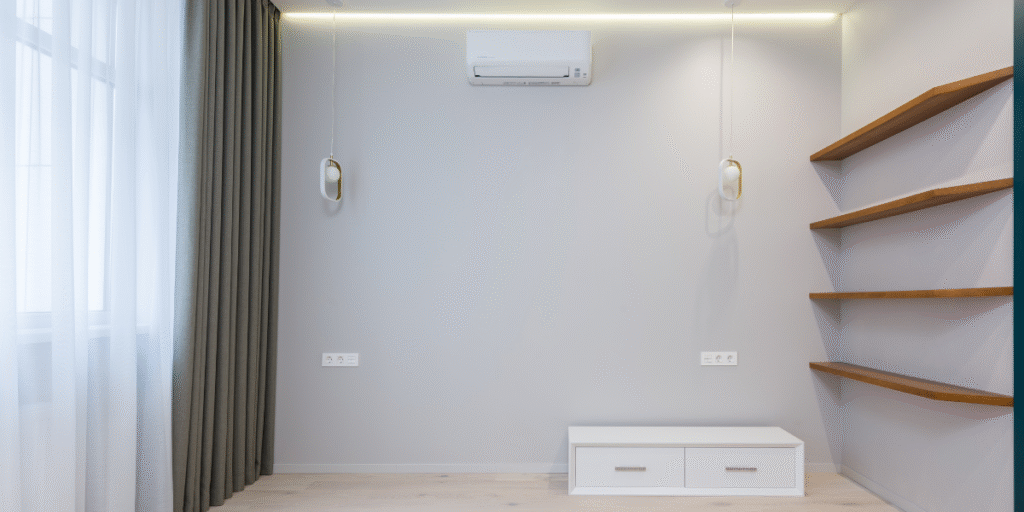
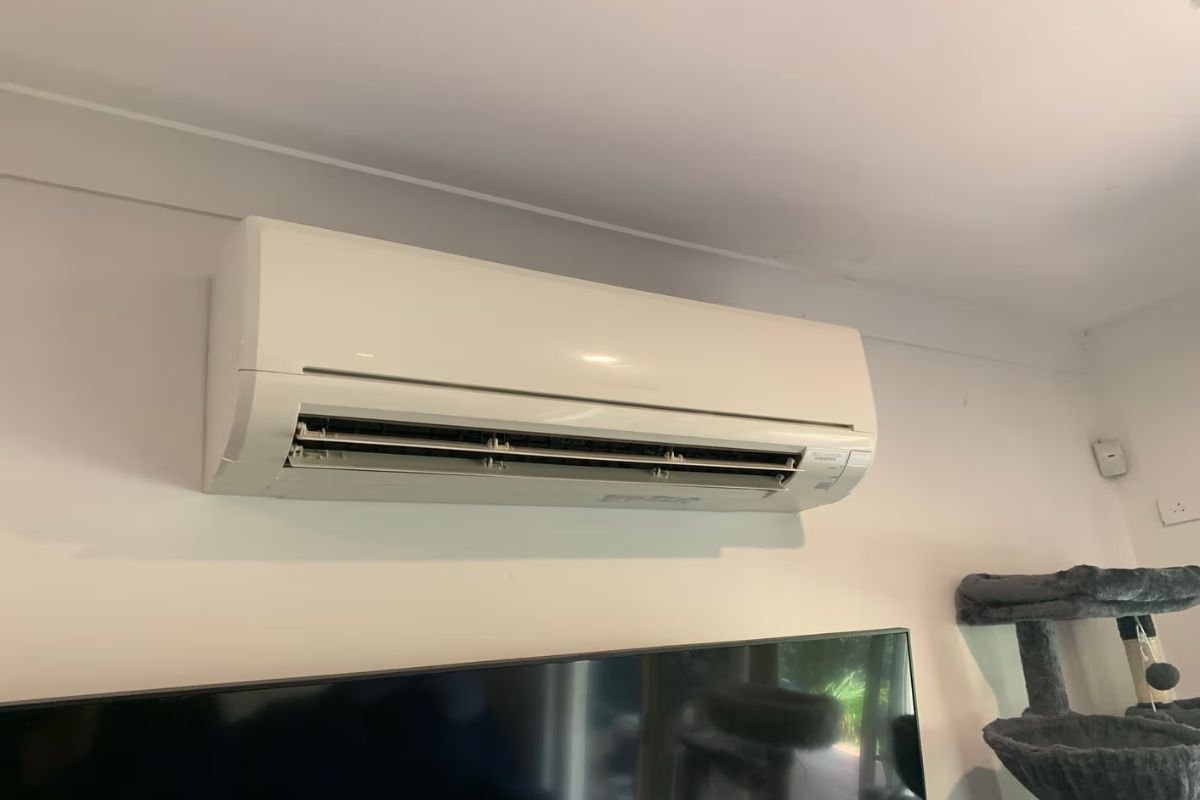
5. Improve airflow with fans
Fans don’t lower the room temperature – they help your body feel cooler, reducing how hard your AC needs to work.
Use ceiling fans or portable fans to:
- Spread cool air evenly
- Reduce hot spots
- Allow you to set the AC slightly higher but still feel comfortable
A small adjustment can reduce energy usage by up to 10–15%.
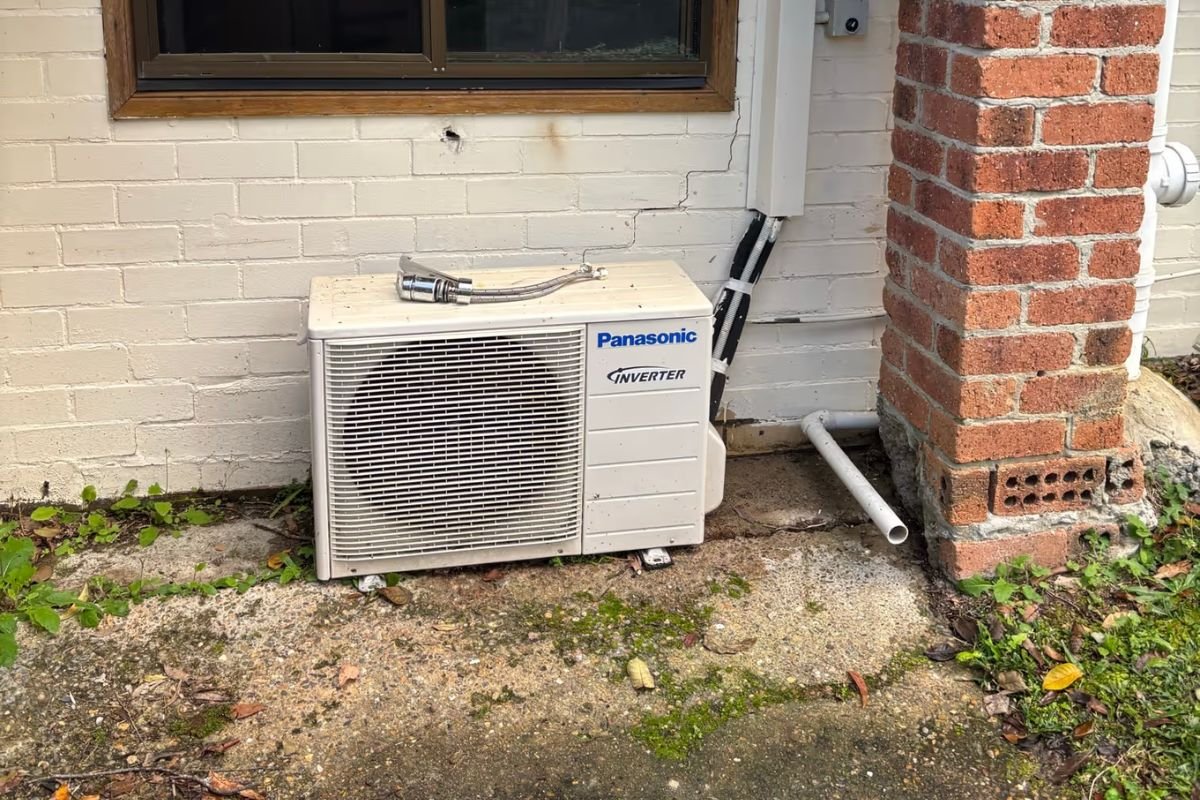
6. Give your outdoor unit breathing space
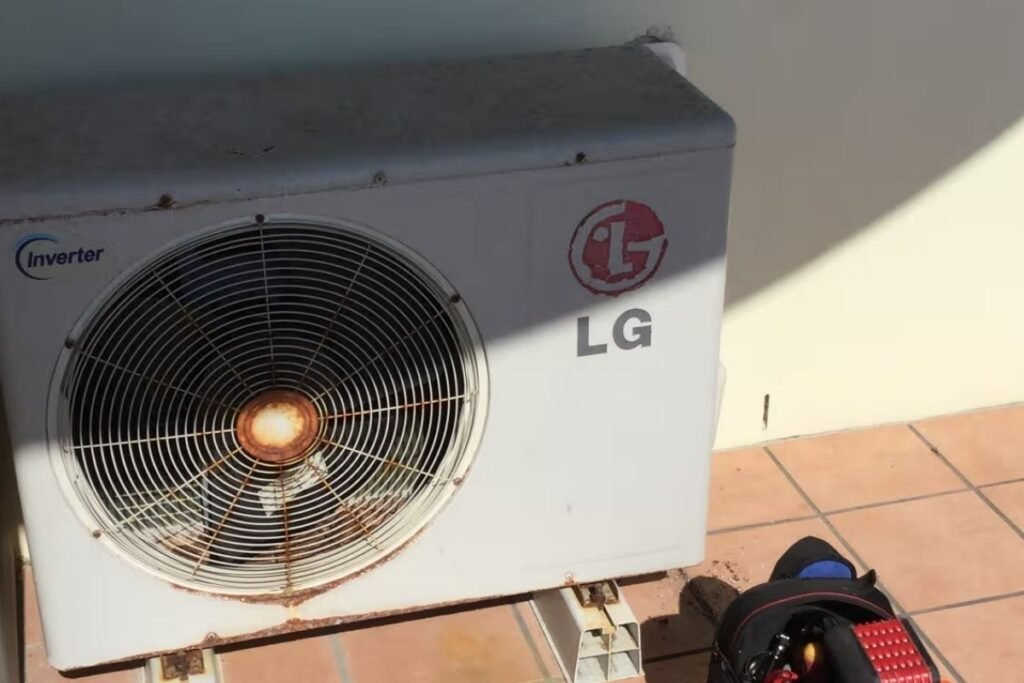
During heat waves, your outdoor condenser struggles the most.
Make sure it’s not:
- Blocked by plants or fencing
- Covered in leaves, dust or debris
- Sitting in direct afternoon sun
A shaded, ventilated outdoor unit runs dramatically more efficiently.
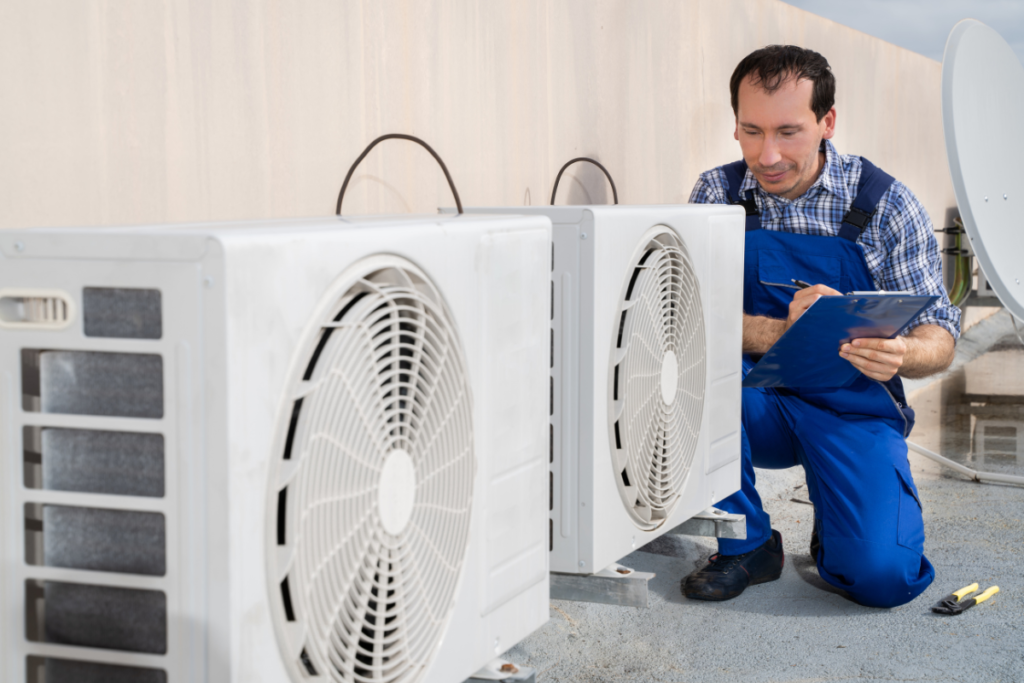
7. Book professional maintenance before peak summer
Heat waves expose the weak points your AC already has: low gas, dirty coils, worn parts, blocked drains, faulty sensors.
Preventative servicing gives you:
- Stronger cooling power
- Lower energy consumption
- Longer system lifespan
- Fewer breakdowns when you need cooling the most
At DEEPCHILL – air conditioning Gold Coast, we inspect, clean, and optimize every part to ensure your system can survive the heat.
Stay cool, save power, and protect your AC this heat wave
A little preparation goes a long way. Run your AC smarter, not harder, and you’ll feel the difference in both comfort and energy bills.
Book your DEEPCHILL heat-wave tune-up now before the hottest days arrive. Your AC will thank you when temperatures hit their peak.