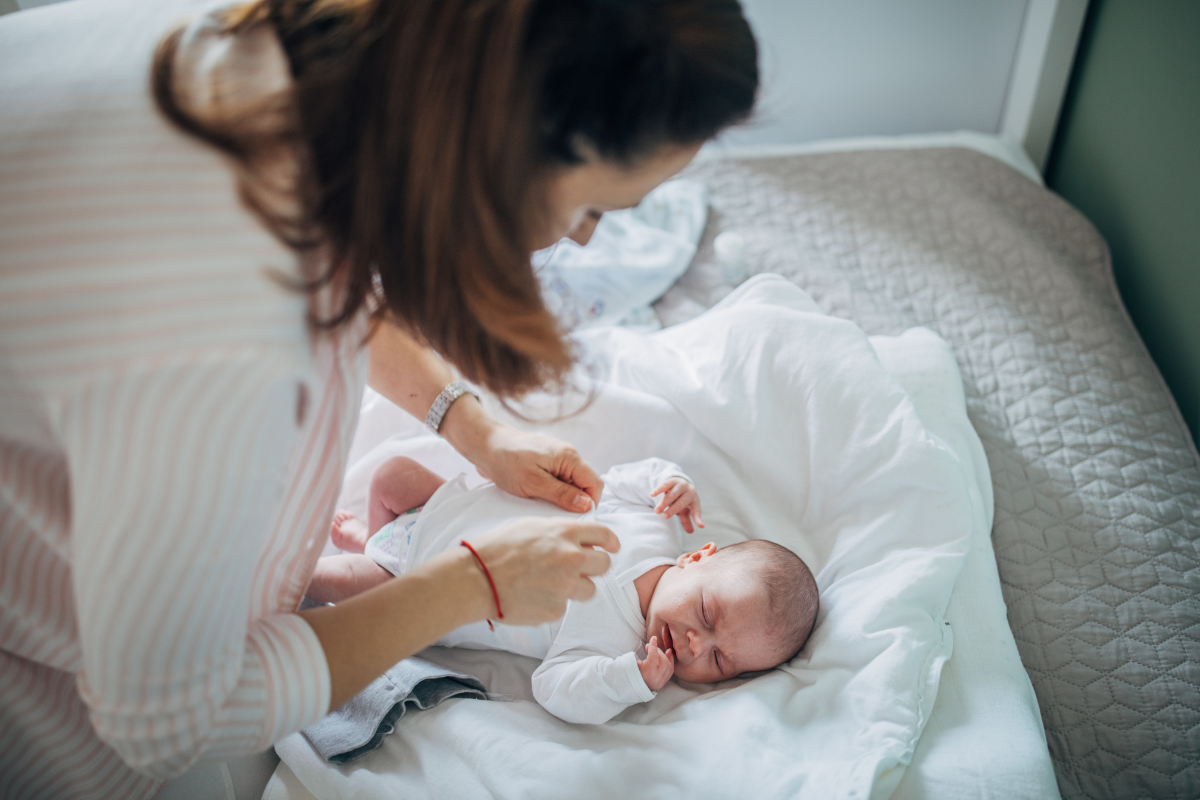
When your little one wakes up hot, sweaty, and unwell, it is natural to panic a little. As parents, we want to do everything right. If it is a stinking hot day, you might jump on Google and type: “Can children sleep aircon when have a fever?”. Many parents worry that cold air will make their child sicker. But is that actually true? Let’s break down the facts and look at the safest ways to use your cooling system when your child has a fever, with DEEPCHILL – Air conditioning Gold Coast.
Table of contents
How AC impacts a child’s recovery and body temperature
An air conditioner is a staple in almost every Aussie home. It gives us a comfortable, cool space to relax. But how does it affect a sick child?
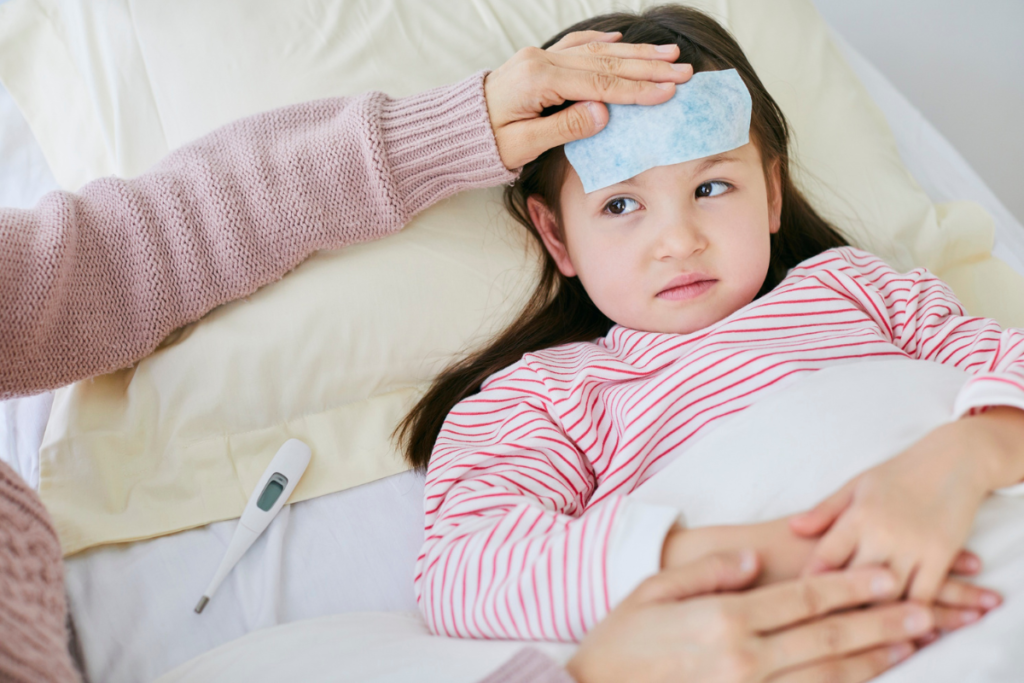
The good: A well-maintained cooling system creates a stable, comfortable environment. When a child has a fever, their body is working hard to fight off an infection. A cool room helps them feel more relaxed, stops them from sweating too much, and allows them to rest easier.
The bad: If used incorrectly, AC can cause a few hiccups. If the room is freezing cold, it can dry out your child’s nose and throat. Keeping a room entirely closed up for days can also trap stale air and bacteria. The secret is finding the perfect balance between fresh air and artificial cooling.
The verdict: Is AC recommended when a child has a fever?
So, is an air conditioner good for a fever? The short answer is yes!
A fever is simply the body’s natural way of turning up the heat to fight off bugs. Doctors recommend helping your child cool down by dressing them in light clothing, offering plenty of fluids, and keeping their environment comfortably cool. Therefore, turning on the AC is a very smart move. It controls the room temperature and stops your child from overheating, especially during our harsh summer months.
You just need to follow a few basic rules to ensure the cool air helps, rather than hinders, their recovery.
Best practices for thermostat settings when your child is unwell
To help your little one bounce back quickly, keep these tips in mind when using your cooling system:
- Set a comfortably cool temperature: Do not drop the temperature to an icy 18°C. A sudden drop can shock their system. Instead, set the thermostat to a comfortable 20°C to 22°C, according to The Royal Children’s Hospital Melbourne – RCH. This allows your child’s body heat to naturally escape into the room without making them shiver.
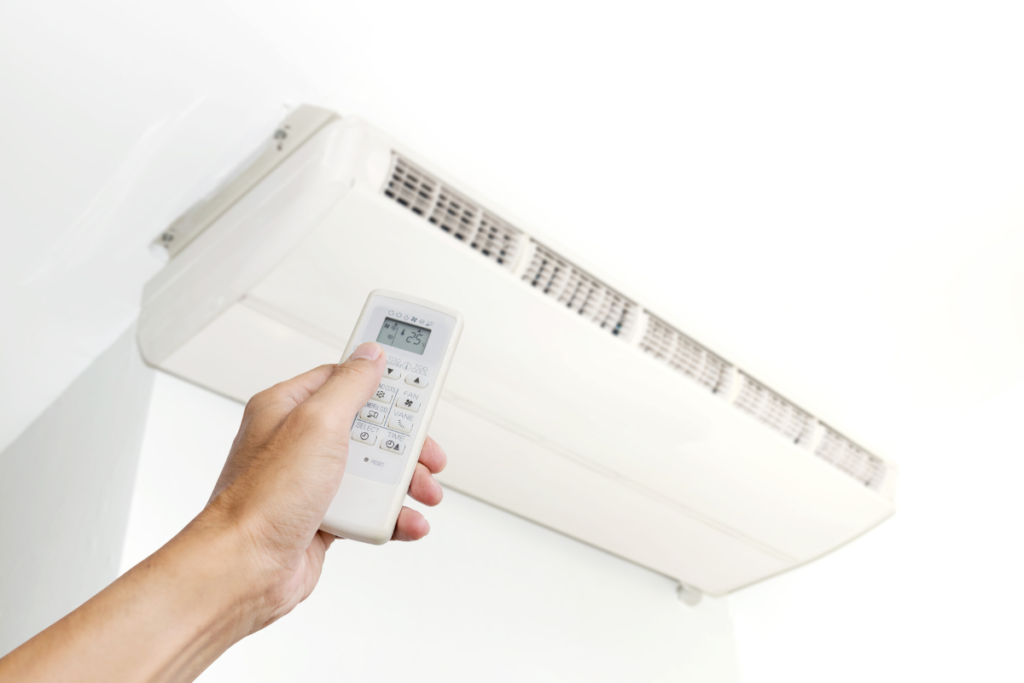
- Point the airflow away: Never let the cold wind blow directly onto your sick child. Direct cold air can dry out their respiratory system and trigger a sore throat or cough. Adjust the louvres so the air flows up toward the ceiling.
- Do not run it 24/7: A closed room traps germs. Turn the unit off a couple of times a day and open the windows to let fresh air flow through the house.
- The 3-minute rule: If you need to take your child out of the cool room (to go to the doctor, for example), turn the unit off and open the door for about 3 minutes first. This creates a “buffer zone”, allowing their body to slowly adjust to the warmer temperature outside the room without suffering from thermal shock.
- Keep them hydrated: Air conditioners remove humidity from the air. Because a fever already causes fluid loss through sweating, it is vital to offer your child plenty of water, hydralyte, or fresh juice to keep their throat and skin from drying out.
Keep your air clean and safe
A sick child has a weakened immune system, making them more vulnerable to dust and mould trapped in dirty filters. Regular maintenance is essential.
If you want peace of mind, you need a residential air conditioning gold coast team you can trust to deep-clean your system. At DEEPCHILL, we ensure your home’s air is pure and safe for your family. We are also the leading experts in commercial air conditioning gold coast services, meaning we keep local schools and childcare centres just as healthy.
For the most reliable air conditioning gold coast installations and servicing, contact the friendly team at DEEPCHILL today! We’ll make sure your home is the perfect place for your family to rest and recover.