Some days in Australia feel like all four seasons have packed themselves into one. You wake up to blue skies and blazing sun. By lunch, dark clouds roll in, the rain buckets down, and by the afternoon… it’s hot again. Across Queensland and New South Wales, especially in Gold Coast, locals have been riding this wild weather wave. Heatwaves one week. Storms and flash flooding the next. And in between, your Gold Coast residential or commercial air conditioning barely gets a break. So here’s the big question we hear all the time: Does severe weather affect your air conditioner? Short answer: absolutely, it does. Let’s talk about what’s really happening inside your system.
Table of contents
When the heatwave hits: Your aircon is pushed to its limits
That brutal Queensland heat doesn’t just make you sweat, it puts serious pressure on your system too.
When temperatures sit above the mid-30s for days on end, your air conditioner is running flat out, often without proper rest. Over time, that can lead to:
- Higher power bills: Your system has to work harder just to keep rooms comfortable, so energy use jumps fast.
- Reduced cooling performance: On extreme days, your aircon might struggle to hit the temperature you’ve set, even though it’s running constantly.
- Overheating and shutdowns: Too much continuous load can force the unit to protect itself by switching off.
- Dirty filters and fans much faster than usual: Hot, dry conditions pull dust into the system, clogging filters and coating outdoor fans.
Whether it’s residential air conditioning Gold Coast homes running all day, or commercial air conditioning Gold Coast systems cooling offices, shops or gyms, prolonged heatwaves wear components down quicker than most people realize.
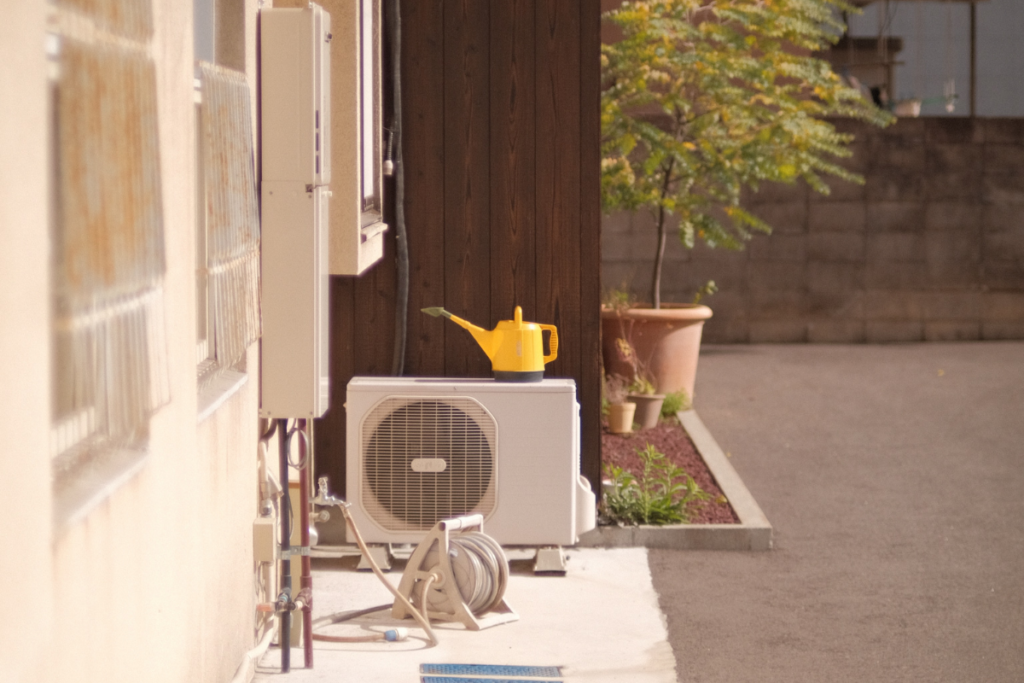
When rain and storms roll through: Different problems, same risk
After the heat comes the rain. Heavy downpours. Strong winds. Flying debris. And suddenly your outdoor unit is dealing with a whole different fight.
Severe rain and storms can affect your air conditioner in ways you might not notice straight away:
- Blocked airflow: Leaves, mud and debris can build up around the outdoor unit, choking airflow and hurting efficiency.
- Water damage and corrosion: Flooding or standing water around the base of the system can damage internal parts over time.
- Electrical issues from power surges: Storms often bring voltage spikes, which can quietly knock out control boards or sensors.
- Units shifting or becoming unlevel: Strong winds or soaked ground can move outdoor units just enough to cause long-term problems.
This is especially common in areas that swing quickly between sunshine and storms, something we’re seeing more often across Queensland and northern NSW.
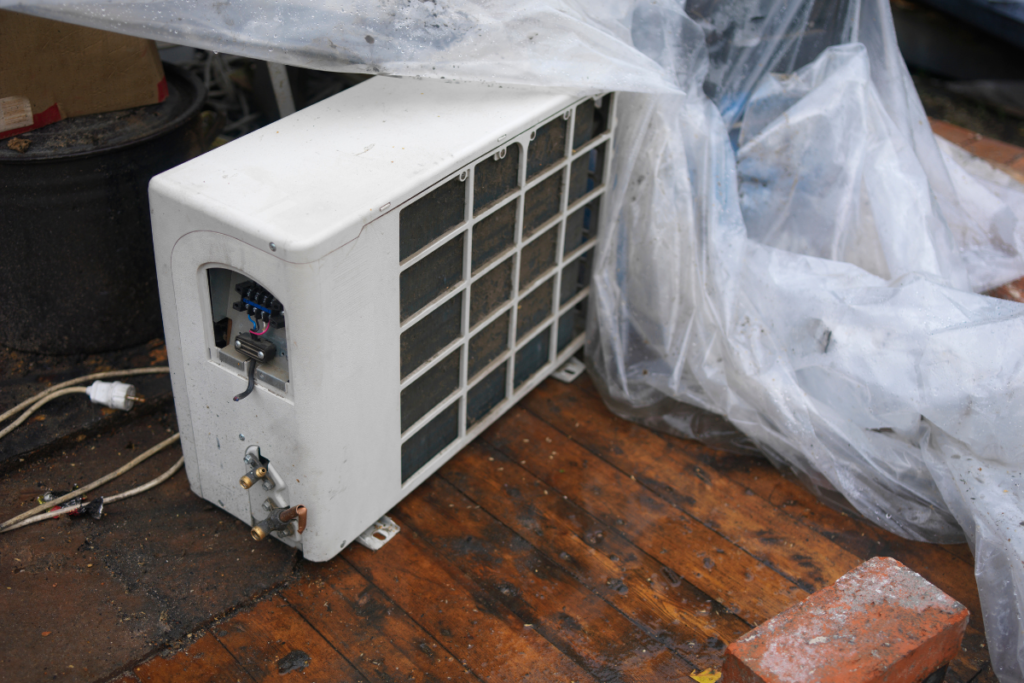
Why this matters more on Gold Coast
Our local climate is tough on aircon systems. High humidity, salt air near the coast, summer heatwaves and sudden storms all stack the odds against them.
If you manage air conditioning Gold Coast properties, especially multi-site commercial spaces, small weather-related issues can quietly turn into expensive repairs if they’re ignored.
And for homeowners, many breakdowns we see didn’t start as “big problems” – they started as weather stress that kept building up.
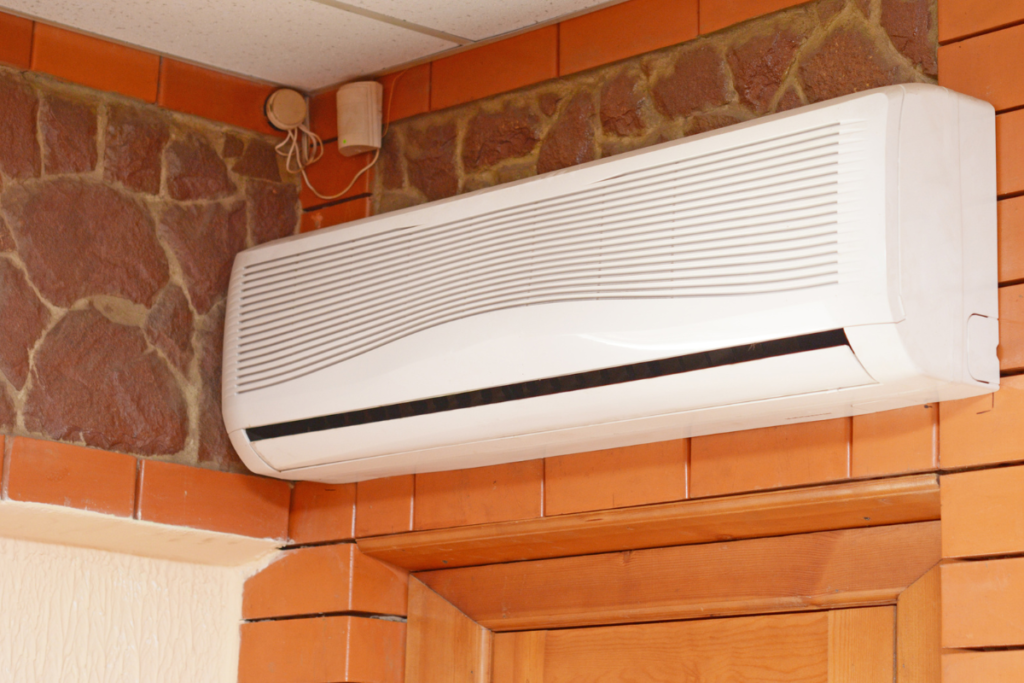
What you can do (Before the weather does the damage)
You can’t control the weather, but you can reduce how hard it hits your system:
- Keep filters clean during hot spells
- Clear debris around the outdoor unit after storms
- Don’t run the system harder than needed during peak heat
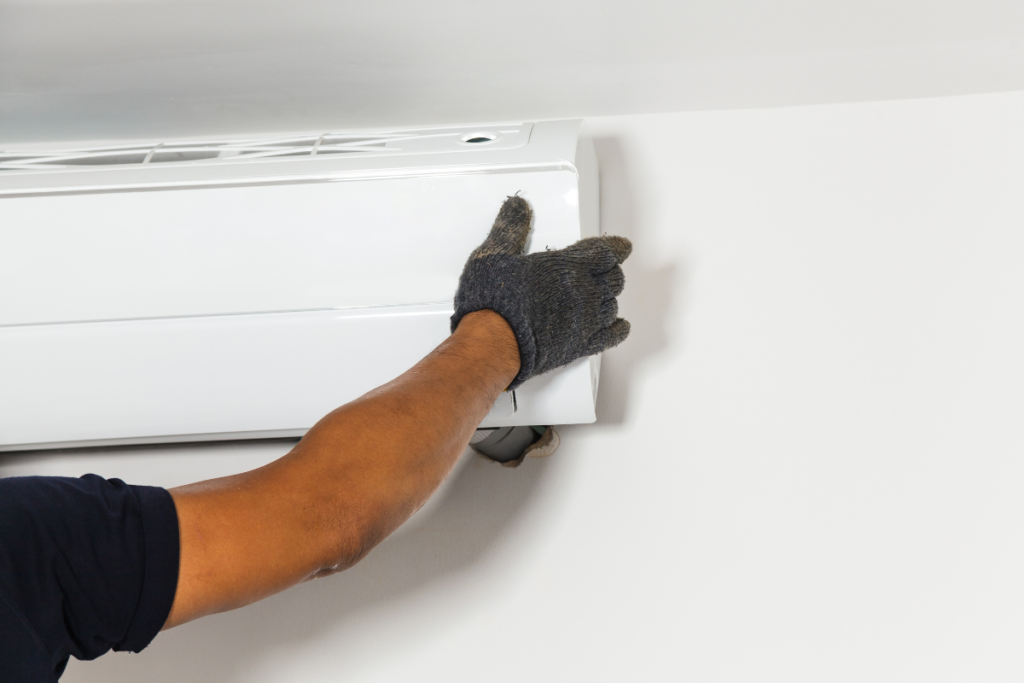
- Book regular servicing, especially after extreme weather events
A well-maintained system handles both heatwaves and storms far better than one that’s already struggling.
The bottom line
So yes, severe weather does affect your air conditioner, and in Australia’s changing climate, it’s happening more often than ever.
From scorching heat to sudden downpours, your system is constantly adapting behind the scenes. Giving it the care it needs now can save you breakdowns, higher bills and major repairs down the track.
If your residential or commercial air conditioning doesn’t sound right, cool like it used to, or feels like it’s working overtime, it’s probably reacting to the weather just as much as you are.