If you have ever turned on your air conditioner and been hit with a musty, sweaty-sock smell, you are not imagining things. This unpleasant odour has a name: dirty sock syndrome and it is far more common in warm, humid climates like the Gold Coast than many people realize. At DEEPCHILL, we see this phenomenon regularly across both residential air conditioning Gold Coast homes and commercial air conditioning Gold Coast spaces such as offices, clinics, and retail buildings. While the smell can feel like a minor nuisance at first, it is often a warning sign that something inside your system needs attention. This guide explains what this syndrome really is, what causes it, the risks involved, and how to fix it properly.
Table of contents
- What is dirty sock syndrome in air conditioning systems?
- What causes it inside your air conditioner?
- Is dirty sock syndrome dangerous to your health?
- How to fix it in your air conditioner
- How to prevent this smell in residential and commercial air conditioning
- Dirty sock syndrome on the Gold Coast: When to call a professional
What is dirty sock syndrome in air conditioning systems?
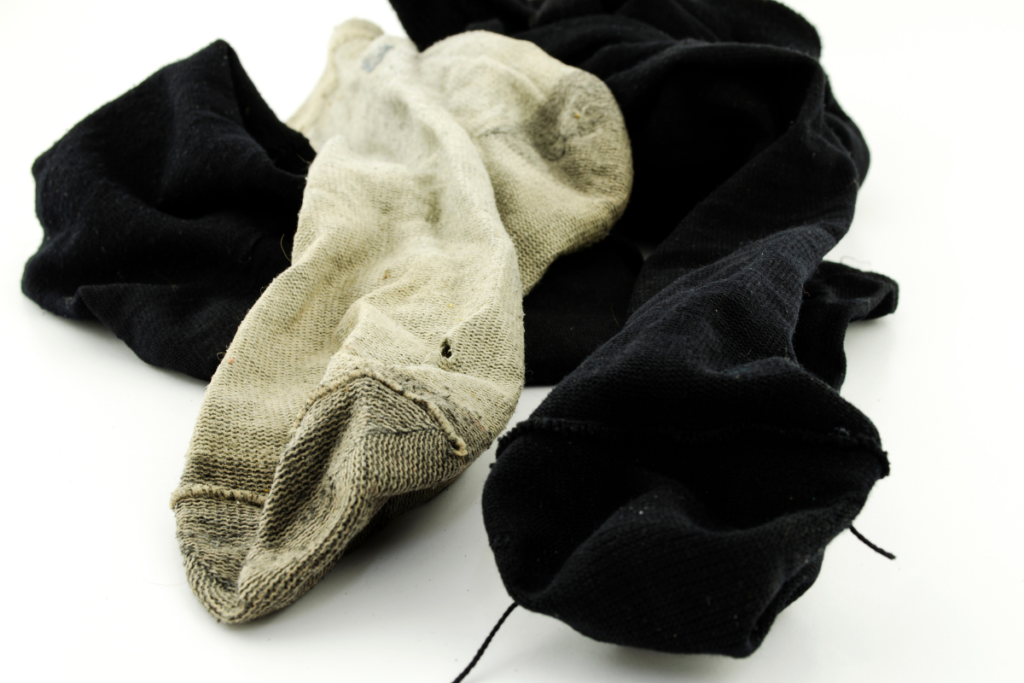
Dirty sock syndrome refers to a strong, foul, musty smell – often compared to sweaty gym socks – that comes from your air conditioner when it starts running.
The odour is usually most noticeable:
- When the system first turns on
- After long periods of humidity
- When the unit has been off for a while and then restarted
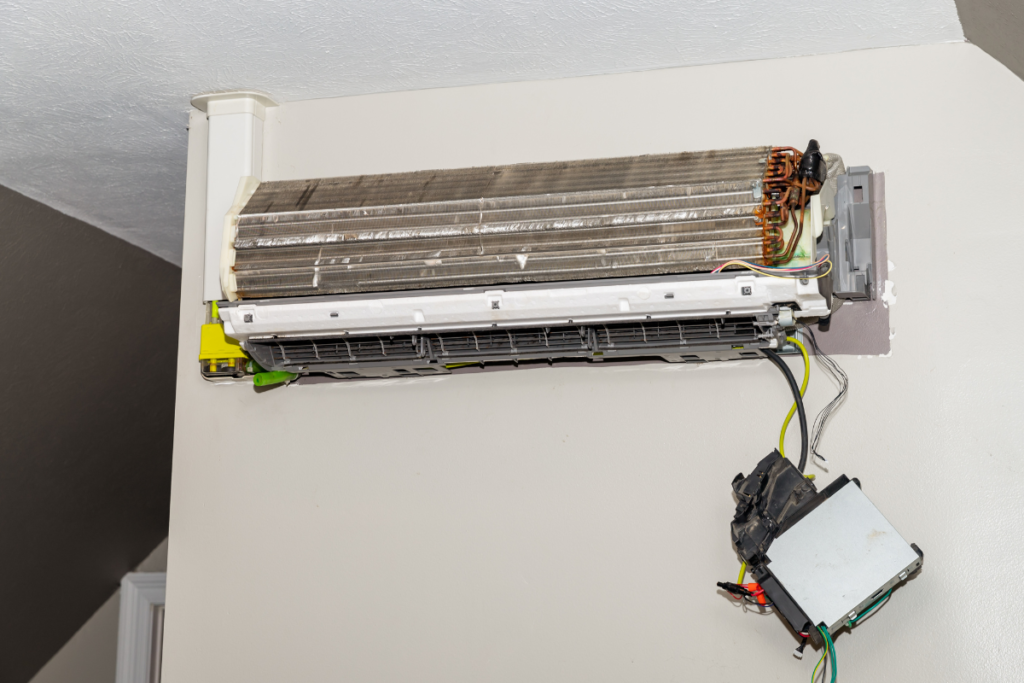
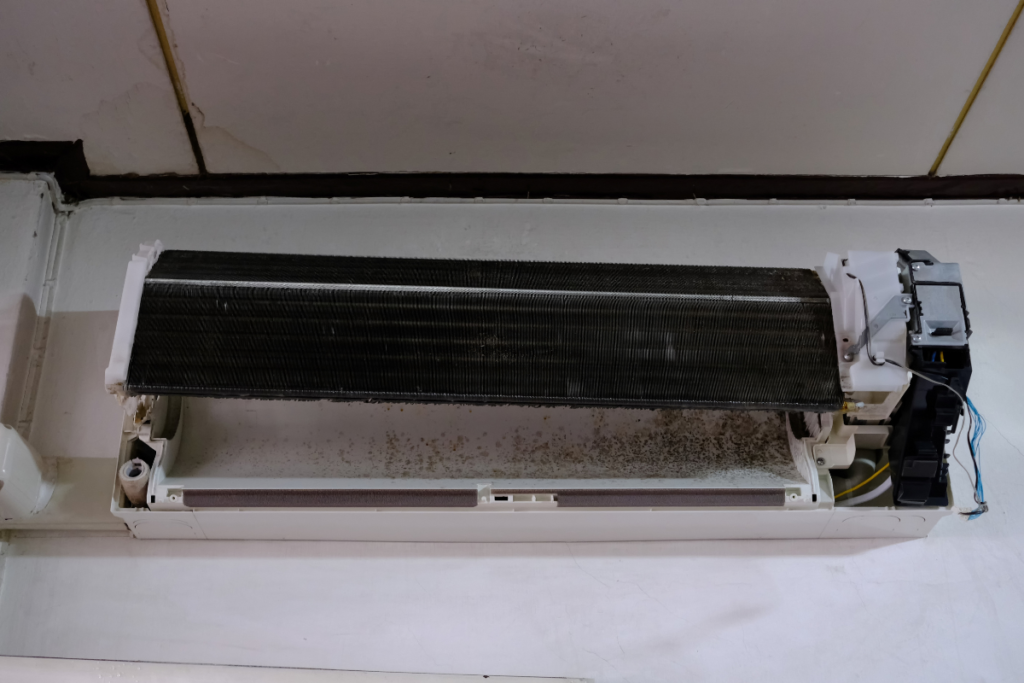
In technical terms, this smell is caused by bacteria and mould growth inside the air conditioning system, most commonly around the evaporator coil, where moisture and warmth create the ideal breeding environment.
On the Gold Coast, where air conditioners run heavily through hot, humid seasons, this uncomfortable smell can develop faster than in cooler, drier climates, especially if maintenance is delayed.
What causes it inside your air conditioner?
It rarely has just one cause. In most cases, it is the result of moisture, organic buildup, and poor airflow working together.
1. Bacteria and mould growth
This is the main culprit.
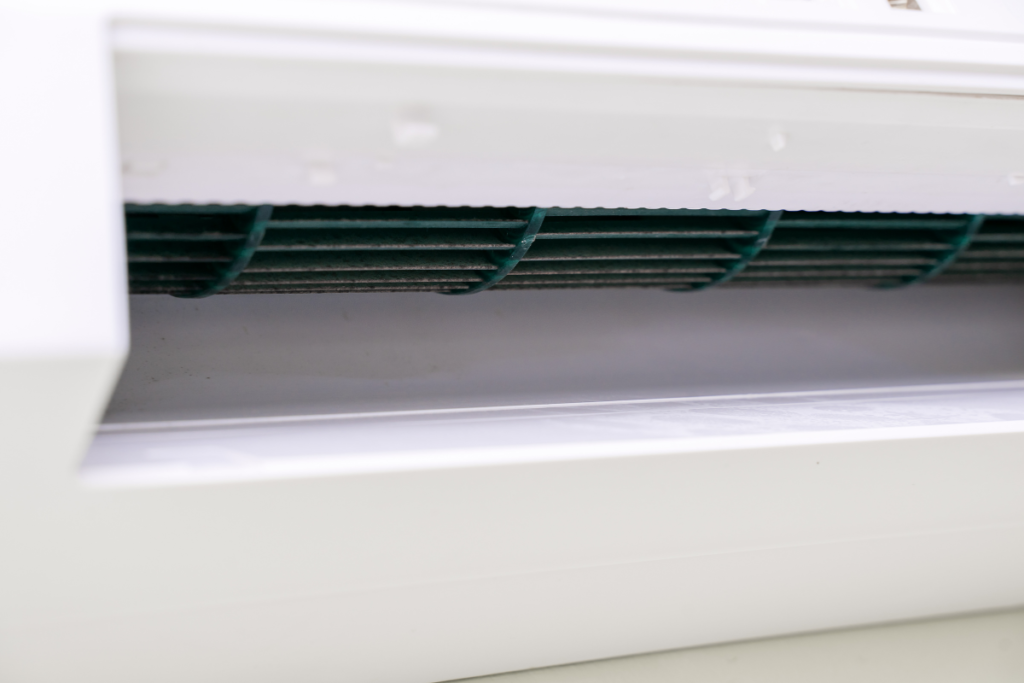
Inside your air conditioner, particularly around the evaporator coil, condensation forms naturally as the system cools the air. When moisture lingers, it creates perfect conditions for bacteria and mould to grow.
Research shows that when indoor relative humidity stays between 70% and 80%, bacteria not only survive but multiply rapidly. In Queensland’s climate, this situation is very common when systems are overworked or poorly drained.
2. Excess moisture and drainage issues
Blocked or damaged drain lines, cracked drain pans, or poor installation can prevent moisture from leaving the system properly. Standing water becomes a feeding ground for microbes, intensifying dirty sock smells.
3. Organic material buildup
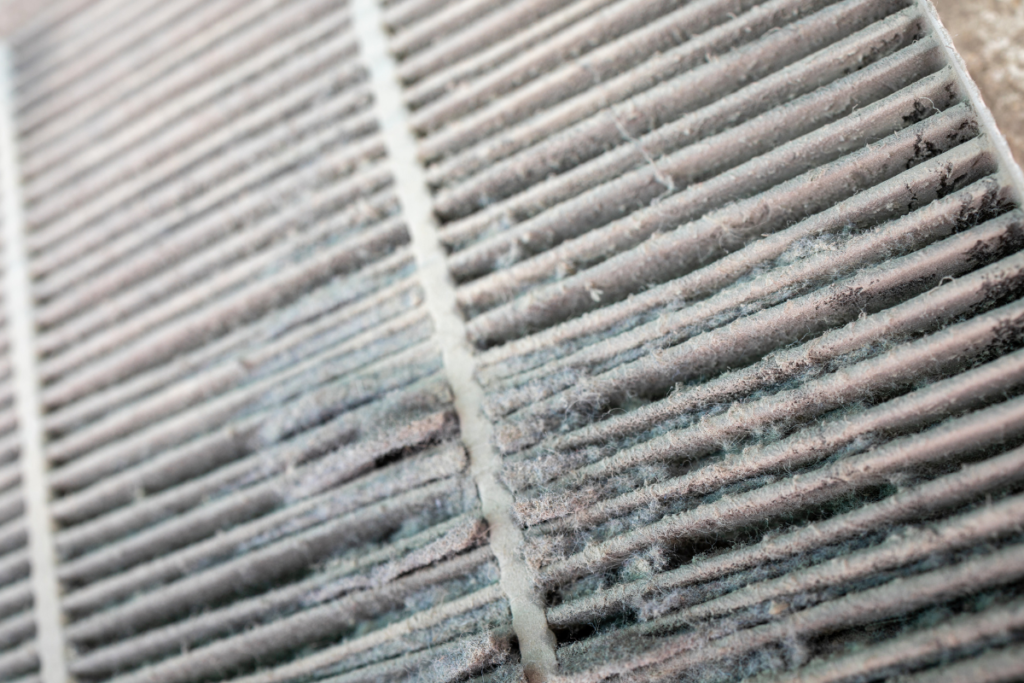
Dust, pollen, pet dander, and even dead skin cells get trapped in air filters and coils. Over time, this organic matter becomes food for bacteria and mould.
Systems with infrequent filter changes are especially vulnerable.
4. Poor airflow and missed maintenance
Dirty filters, blocked vents, or neglected servicing restrict airflow. This causes moisture to stay inside the unit longer than it should, accelerating microbial growth.
Both residential and commercial air conditioning Gold Coast systems often suffer from this during peak summer demand.
Is dirty sock syndrome dangerous to your health?
Dirty sock syndrome is more than an unpleasant smell. It carries risks to both health and the air conditioning system itself.
Health risks
When bacteria and mould are present inside your air conditioner, they are circulated through the indoor air you breathe.
This can:
- Worsen allergies and asthma
- Trigger respiratory irritation and headaches
- Reduce overall indoor air quality
According to guidance from the Environmental Protection Agency, indoor air pollution caused by microbial growth in HVAC systems is a recognised health concern, particularly for children, elderly people, and those with respiratory conditions.
If you notice persistent dirty sock smells, it is advisable to turn the system off until it has been properly inspected.
Risks to your air conditioning system
From an equipment perspective, dirty sock syndrome is a red flag that:
- Moisture is not being managed correctly
- Components are under strain
- Efficiency is being reduced
Over time, this can lead to:
- Corrosion of internal parts
- Reduced cooling performance
- Expensive breakdowns that could have been prevented
In short, ignoring this smell often costs far more in the long run.
How to fix it in your air conditioner
The right solution depends on how advanced the problem is. Some steps offer temporary relief, while others address the root cause.
Short-term solutions
These may help reduce the smell but should not replace proper servicing:
- Replace or clean air filters
- Dry out excess moisture by running fan-only or defrost cycles if available
- Use UV lights to help limit bacterial growth inside the unit
- Clean visible components, such as the drain pan
These measures can reduce odour temporarily, but if the smell returns, deeper issues are likely present.
Long-term solutions (Recommended)
For lasting results, professional attention is essential:
- Professional evaporator coil cleaning, using appropriate chemical or hydro-clean methods
- Drain line inspection and clearing to eliminate standing water
- Duct inspection and cleaning, especially in commercial systems
- Humidity control adjustments, ensuring the system is not over-cooling
- Preventative maintenance programs, scheduled to suit Gold Coast conditions
At DEEPCHILL, we often find that once moisture control and cleanliness are properly restored, sock smell disappears and stays gone.
How to prevent this smell in residential and commercial air conditioning
Prevention is always easier than repair. To reduce your risk:
- Schedule regular professional maintenance
- Replace filters more frequently during heavy-use seasons
- Avoid setting temperatures excessively low
- Ensure proper ventilation and airflow
- Address leaks or drainage issues early
In humid environments, air conditioning systems need more than basic cleaning, they need preventative care tailored to local conditions.
Dirty sock syndrome on the Gold Coast: When to call a professional
Dirty sock syndrome is not just an annoying smell, it is your air conditioner asking for help.
Whether you manage a home or operate a busy workplace, addressing this issue early protects your health, your indoor air quality, and the lifespan of your system. With proper maintenance, residential and commercial air conditioning Gold Coast systems can stay clean, efficient, and odour-free year-round.