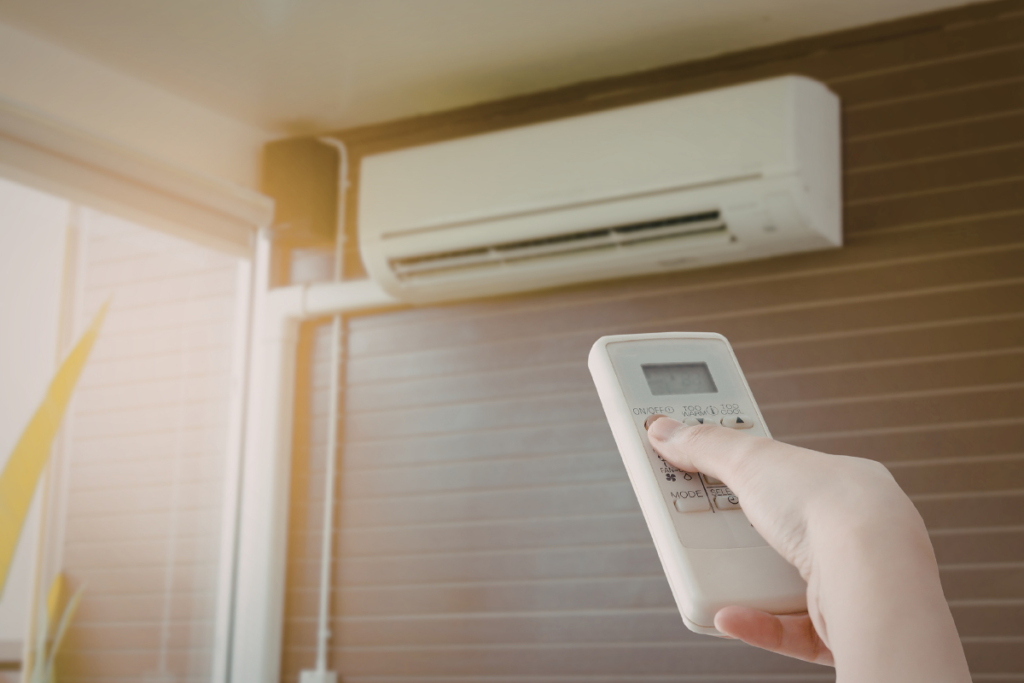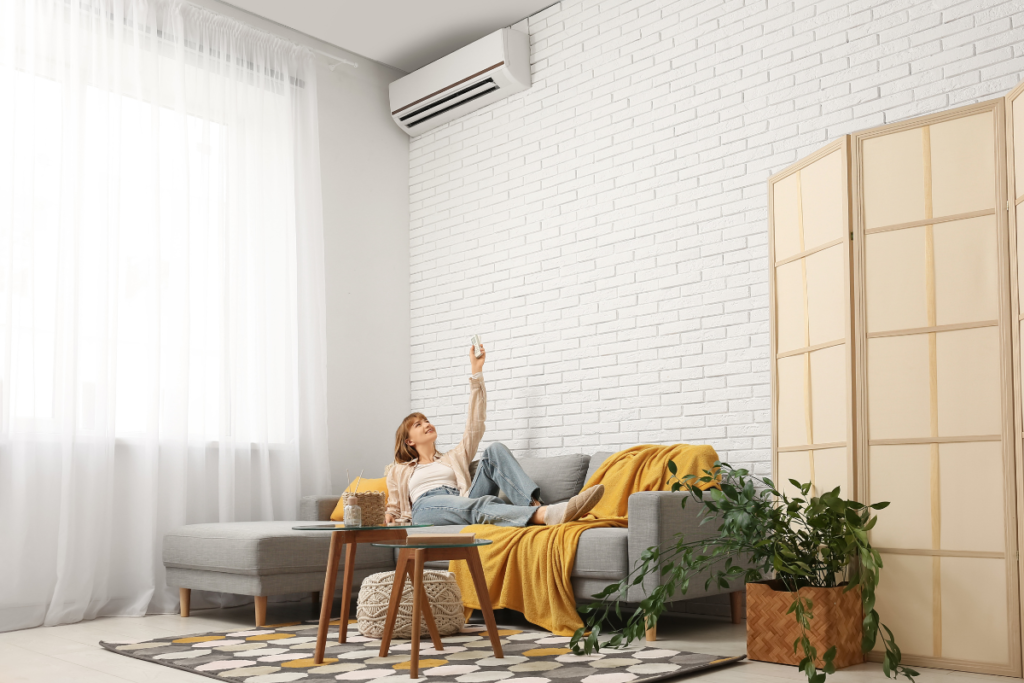
Finding the right temperature for primary school classrooms is more than a comfort issue, it’s a matter of student health, concentration, and teacher productivity. In Australia, where summers are hot and winters can still be chilly in some regions, air conditioning plays a critical role in creating safe, effective learning environments. With governments investing heavily in school cooling systems, and with trusted providers like DEEPCHILL supporting air conditioning Gold Coast facilities, understanding what the “right” temperature is has never been more important.
Table of contents
What’s the optimal air temperature in classrooms?
Research suggests that the best learning happens when indoor temperatures are kept between 22°C and 24°C. At this range, students are comfortable, focused, and less prone to distractions caused by physical discomfort. Every degree above or below this can impact learning efficiency: too hot, and children struggle to concentrate; too cold, and health risks such as colds or flu become more likely.
Factors that affect classroom temperature
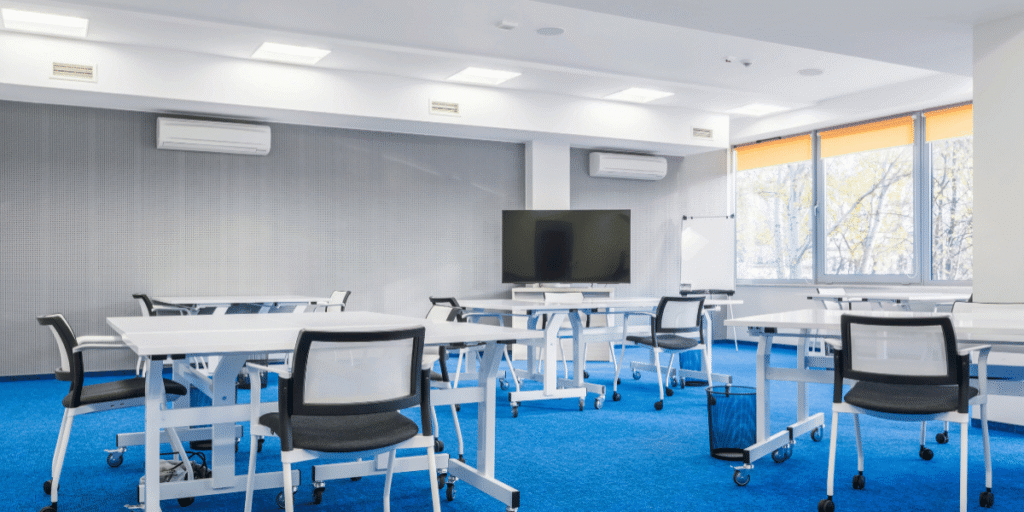
Several elements determine whether a school can maintain the right balance:
- Location & Climate: Schools in Queensland, with its hot and humid summers, need stronger cooling compared to schools in Victoria.
- Building design & Insulation: Poor insulation or direct sun exposure through windows can create overheated classrooms.
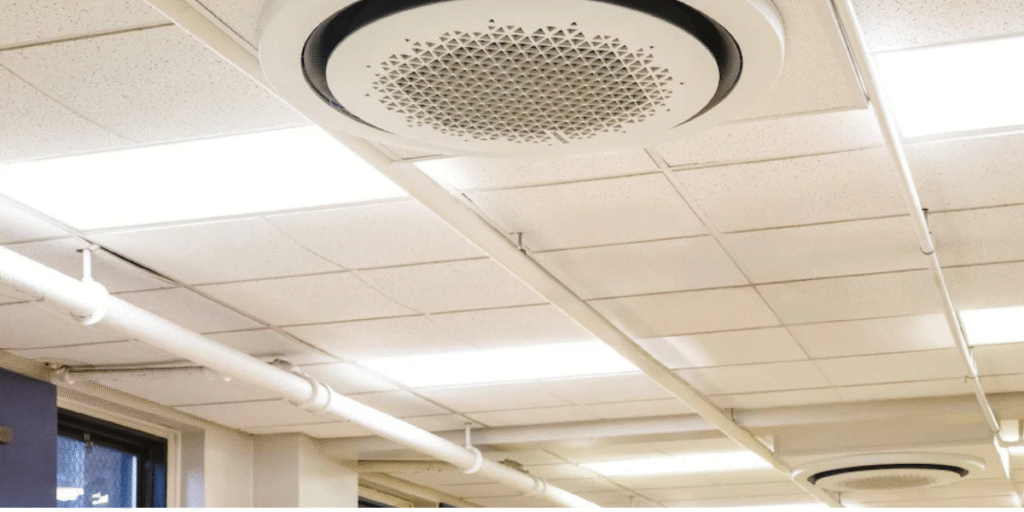
- HVAC systems: The quality and maintenance of heating and cooling units directly influence comfort.
- Occupancy levels: More children in a classroom means more body heat, requiring stronger airflow and cooling.
- Economic constraints: Some schools may lack the funding for modern systems, leading to uneven temperature control.
Benefits of a balanced classroom temperature
Maintaining the right temperature for primary school classrooms brings benefits that go beyond comfort:
- Improved concentration: Students can focus on learning, not discomfort.
- Better academic performance: Comfortable environments support stronger memory, problem-solving, and engagement.
- Reduced health risks: Stable temperatures lower risks of heat stress, allergies, and seasonal illnesses.
- Increased teacher productivity: Comfortable teachers can deliver lessons more effectively.
- Positive school reputation: A well-maintained environment signals care for student wellbeing and attracts community trust.
The right temperature for primary school classrooms – ideally between 22°C and 24°C – supports learning, protects health, and boosts teacher efficiency. While governments continue investing in better air conditioning access, regular servicing and preventative care remain essential.
For schools across Queensland, especially on the Gold Coast, DEEPCHILL provides expert air conditioning Gold Coast solutions that keep students safe, teachers comfortable, and classrooms ready for learning.