Carbon monoxide (CO) is a harmful gas that can pose serious health risks, which is why DEEPCHILL Air Conditioning Gold Coast is here to help you prevent and address it. We provide expert guidance on how to ensure air conditioning system safety, detect AC carbon monoxide leaks, and improve ventilation in air conditioning systems. By managing AC furnace CO risks and preventing gas leaks in AC systems, you can protect your home and family from this silent danger.
The Dangers Of Carbon Monoxide Leaks
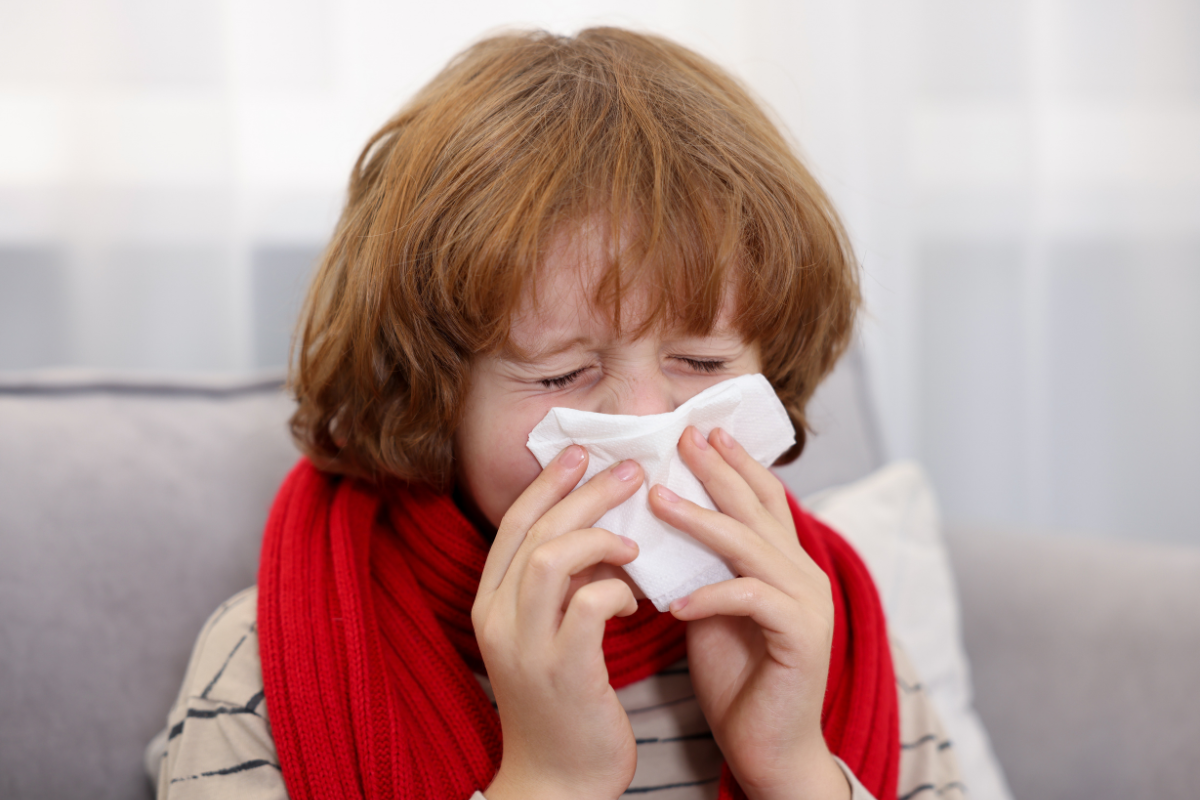
According to the New South Wave Government, CO is both odorless and invisible. When inhaled in high concentrations, it can cause severe health issues or even be fatal. Common symptoms of CO poisoning include headaches, dizziness, nausea, confusion, and, in extreme cases, loss of consciousness. Recognizing these symptoms early and taking preventive measures is crucial for safety.
How To Detect Carbon Monoxide Leaks
At DEEPCHILL Air Conditioning Gold Coast, your safety is our top priority. To safeguard your home, consider the following steps:
Watch For Health Symptoms
If multiple household members experience symptoms like headaches, dizziness, nausea, or confusion, and these symptoms subside when they leave the home, a CO leak may be present.
Check The Flame Color
A properly functioning gas appliance should have a blue flame. If you notice yellow or orange flames, it may indicate incomplete combustion and a potential CO leak.
Inspect For Rust Or Unusual Odors
Although CO itself is odorless, rust buildup on burners, excessive soot, or strange smells from vents may suggest ventilation in air conditioning issues that could lead to CO leaks.
How To Prevent Carbon Monoxide Leaks
Preventing AC carbon monoxide leaks is essential for maintaining a safe home environment. As a result, DEEPCHILL Air Conditioning Gold Coast recommends the following steps to protect your household:
Install And Maintain CO Detectors
CO detectors should be installed near sleeping areas and close to fuel-burning appliances. These devices alert homeowners to high CO levels before they become hazardous. Regularly test your detectors and replace their batteries to ensure they remain functional.
Schedule Routine HVAC Maintenance
A licensed HVAC technician should inspect your air conditioning system and furnace annually to ensure all components function safely and efficiently. Regular maintenance helps prevent CO buildup from faulty equipment, reducing AC furnace CO risks.
Ensure Proper Ventilation
Blocked or improperly designed ventilation in air conditioning systems can trap CO inside your home. Make sure vents, chimneys, and exhaust systems are clear of debris and function properly.
Inspect Fuel-Burning Appliances
Regularly check gas stoves, water heaters, and furnaces for leaks, damage, or inefficiencies that could lead to gas leaks in AC systems or CO production.
Educate Your Household
Teach everyone in your home about the dangers of CO exposure and how to respond in case of a suspected leak.
Act Immediately If An Alarm Sounds
If a CO detector goes off, evacuate your home immediately and call emergency services. Do not re-enter the home until it has been inspected and deemed safe.
Stay Safe And Informed
Ensuring the safety of your home and family from AC carbon monoxide leaks is paramount. By adhering to our advice and implementing effective detection methods, you can significantly mitigate the risks associated with CO exposure. For comprehensive inspections and system maintenance, trust the certified HVAC professionals at DEEPCHILL Air Conditioning Gold Coast. Our team is dedicated to providing thorough assessments and tailored solutions to keep your environment and air conditioning system safety.