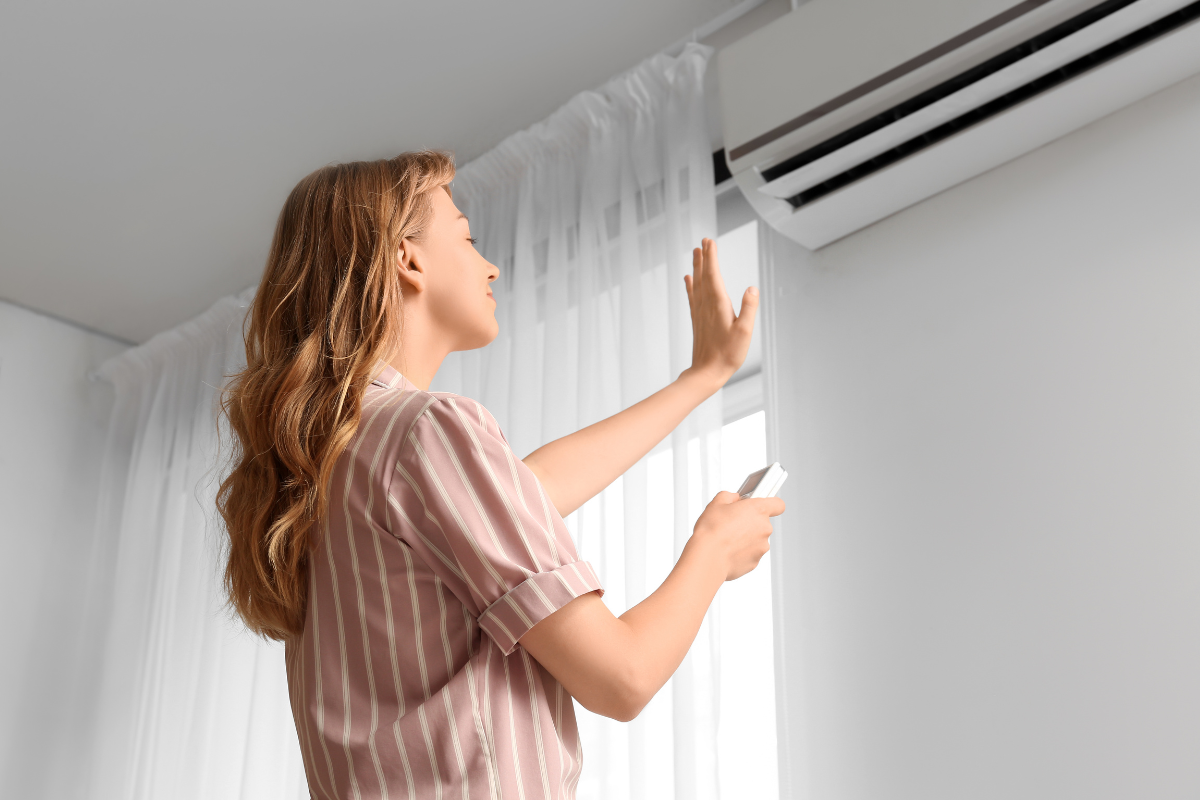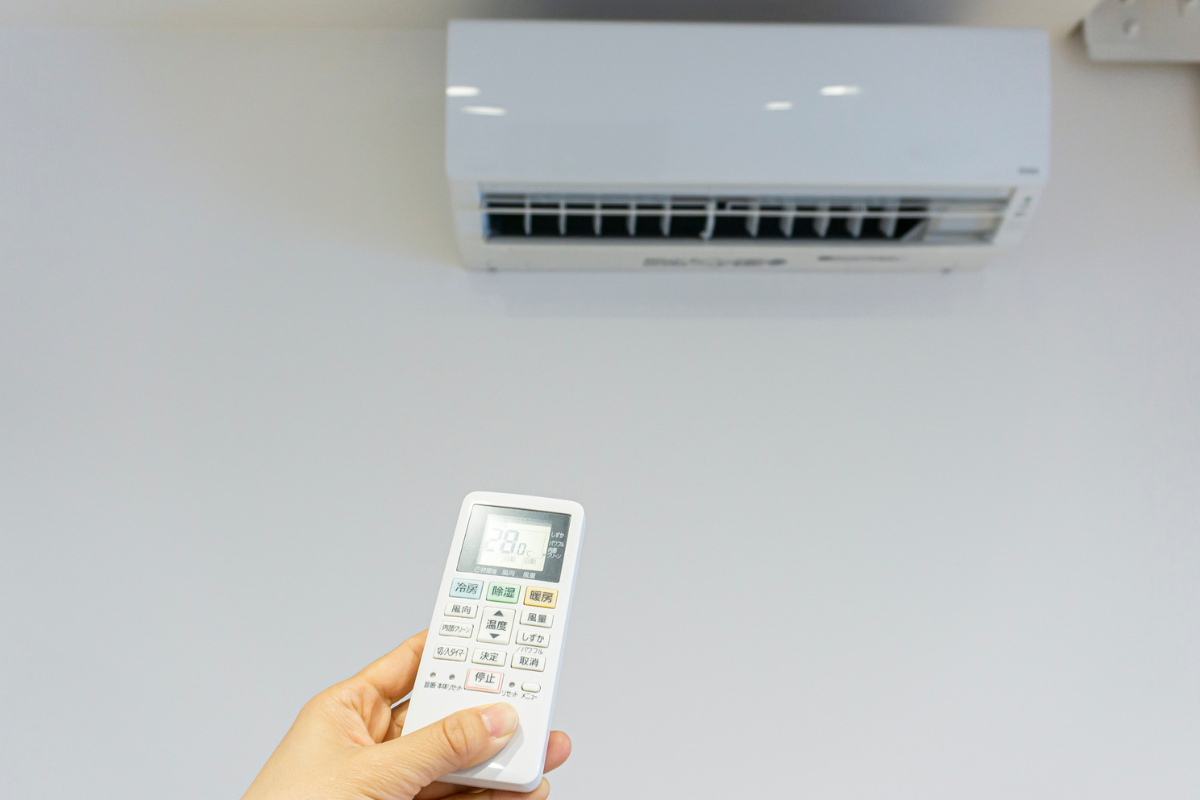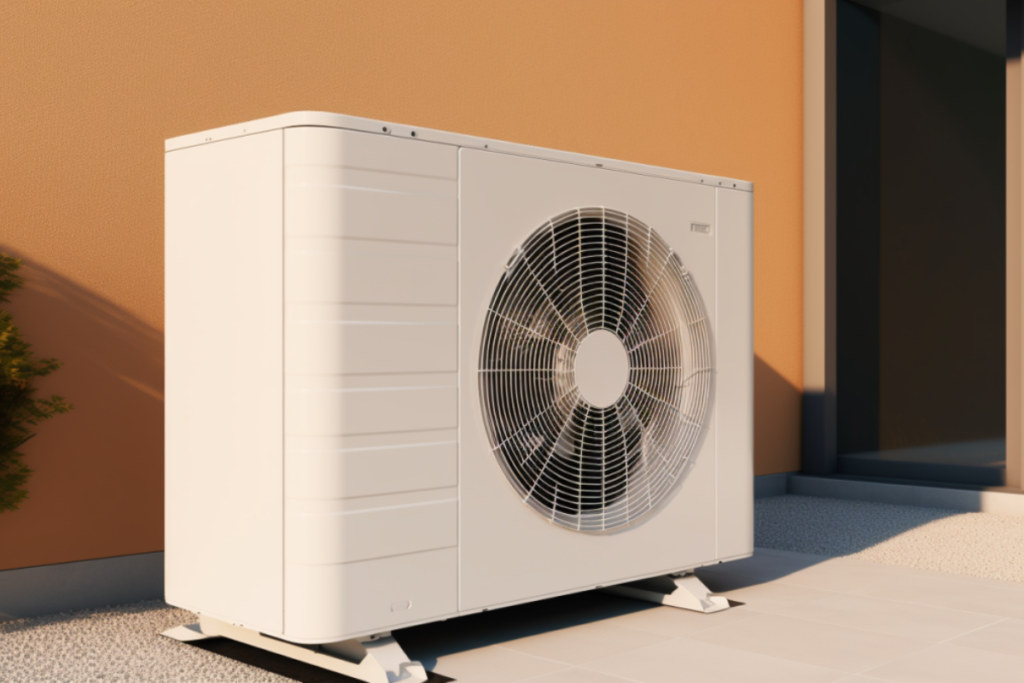
If you’ve ever walked into your house on a Gold Coast autumn afternoon and felt like you were stepping into a warm, wet blanket, you know exactly how annoying humidity can be. It makes the air feel “heavy”, your skin feel sticky, and honestly, it just makes the heat harder to handle. The good news? Your air condition is doing more than just blowing cold air. One of its most important jobs – and the reason you feel so much better when it’s on – is that AC systems reduce humidity. Here is a simple breakdown of how it works and what you can do to keep your home feeling crisp and dry.
Table of contents
How AC systems reduce humidity
A lot of us think the AC works by “creating” coldness. In reality, it’s more like a vacuum for heat and moisture. It sucks the muggy air out and swaps it for something much more comfortable. Here’s the “plain English” version of the science:
- Sucking in the damp air: Your AC pulls the warm, humid air from your rooms into the unit through the vents.
- The “Cold coil” trick: This air passes over a very cold part called the evaporator coil. Because the coil is so cold, the moisture in the air turns into liquid water droplets (think of how beads of water form on a cold can of soda).
- Draining the wetness: That water drips into a tray and flows outside through a little pipe.
- The big swap: Now that the heat and water are gone, the AC blows that dry, chilled air back into your living room.
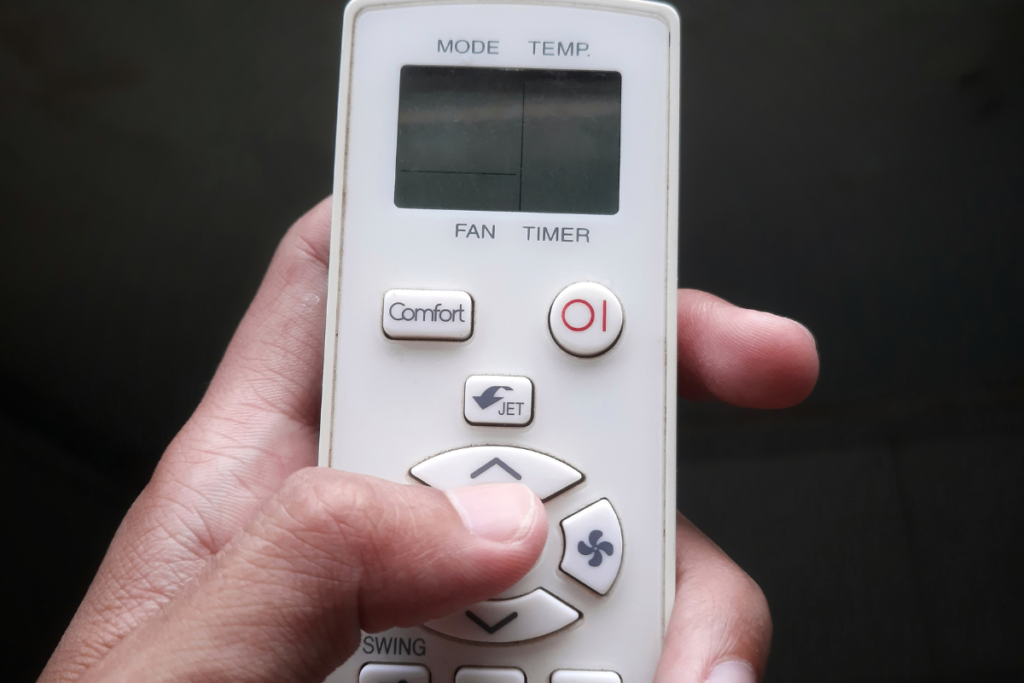
Tips to help your AC systems reduce humidity in your home
Sometimes, even with the AC running, it can still feel a bit “clammy” inside. If you’re struggling with high humidity, here are a few simple tricks to help your system along:
- Set the fan to “Auto”, not “On”: This is a big one. If you set the fan to “On”, it blows air all the time, even when the cooling part is resting. This can actually blow the moisture that just dripped off the coils back into your house. “Auto” ensures the fan only runs when the dehumidifying is happening.
- Keep your filters fresh: A dirty filter blocks airflow. If the air can’t get to the cold coils, the moisture stays in your room. Swap them out every month or two during the busy season.
- Use exhaust fans: When you’re boiling pasta or taking a hot shower, turn on the exhaust fans. It’s much easier to suck that steam out immediately than to ask your AC to deal with it later.
- Clear the drain line: If that little pipe outside gets clogged with gunk or algae, the water has nowhere to go. If you see water pooling around your indoor unit, call a pro right away.
When to call in the pros
If you live in a place known for its “sticky” weather – like if you’re looking for residential air conditioning Gold Coast services – you know that a standard AC sometimes needs a little help.
If your home still feels like a sauna, your unit might be the wrong size. An AC that is “too powerful” will turn off too quickly before it has a chance to reduce humidity. Whether you need a check-up for your home or are looking into commercial air conditioning Gold Coast for a shop or office, a quick professional tune-up can make a world of difference.
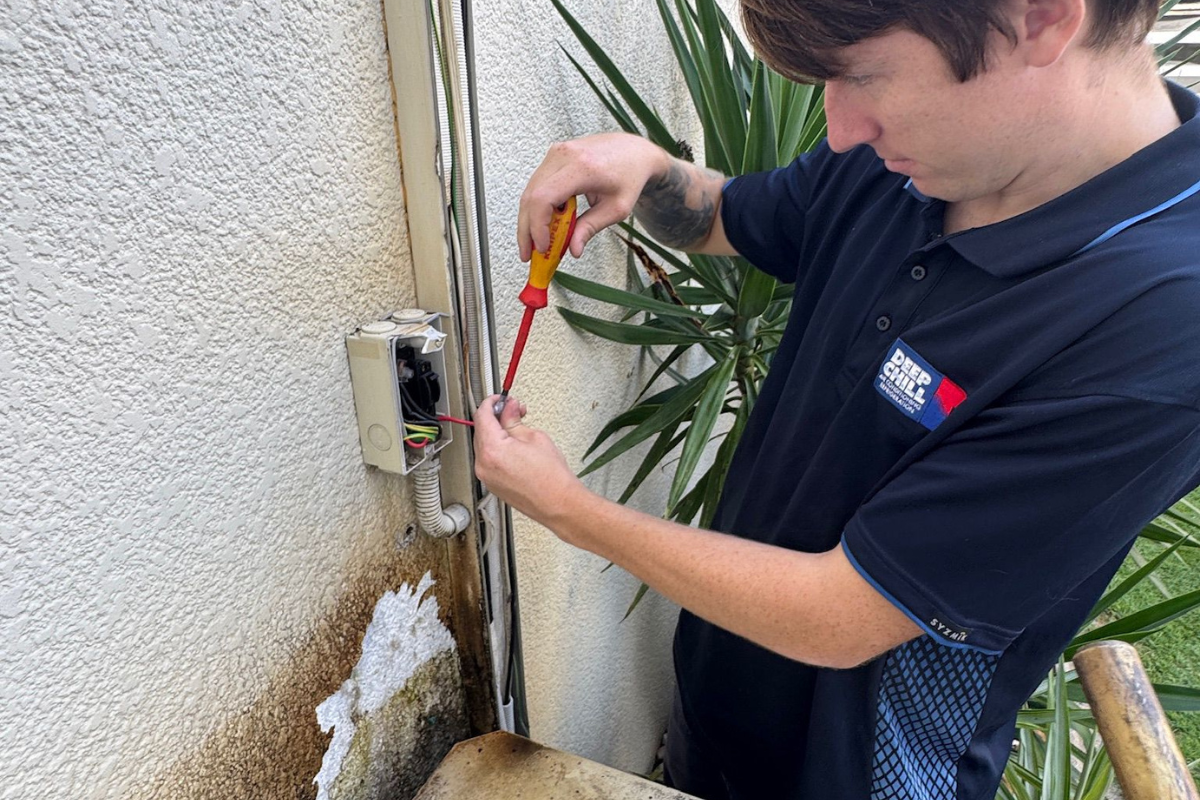
For locals who want to get their comfort sorted once and for all, the team at DEEPCHILL are the experts to talk to. We’ve been helping families across the Gold Coast and SE Queensland stay dry and cool for years, so they know exactly how to tweak your system to handle our coastal humidity.
Pro Tip: If you live in a very humid climate, you might want to ask a local expert about a “whole-house dehumidifier”. It works alongside your AC to keep your home at that perfect 30–50% humidity level where mold can’t grow and your skin feels great.