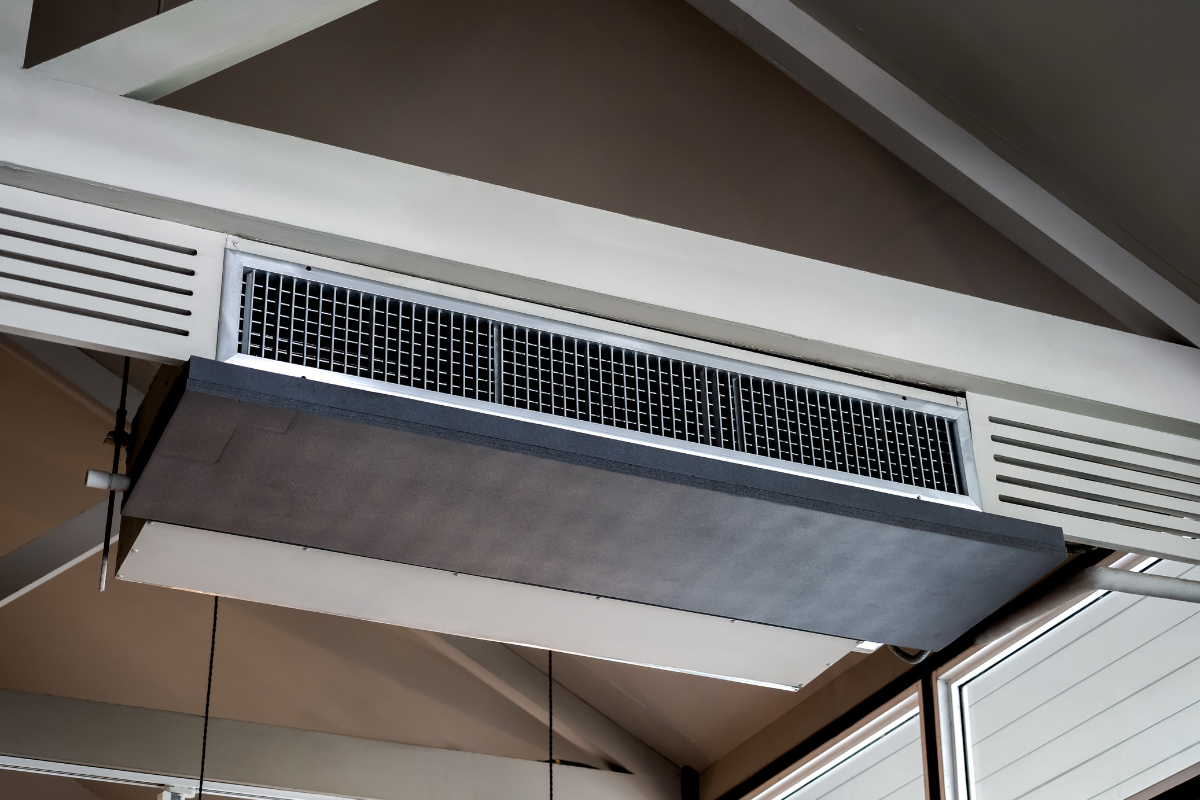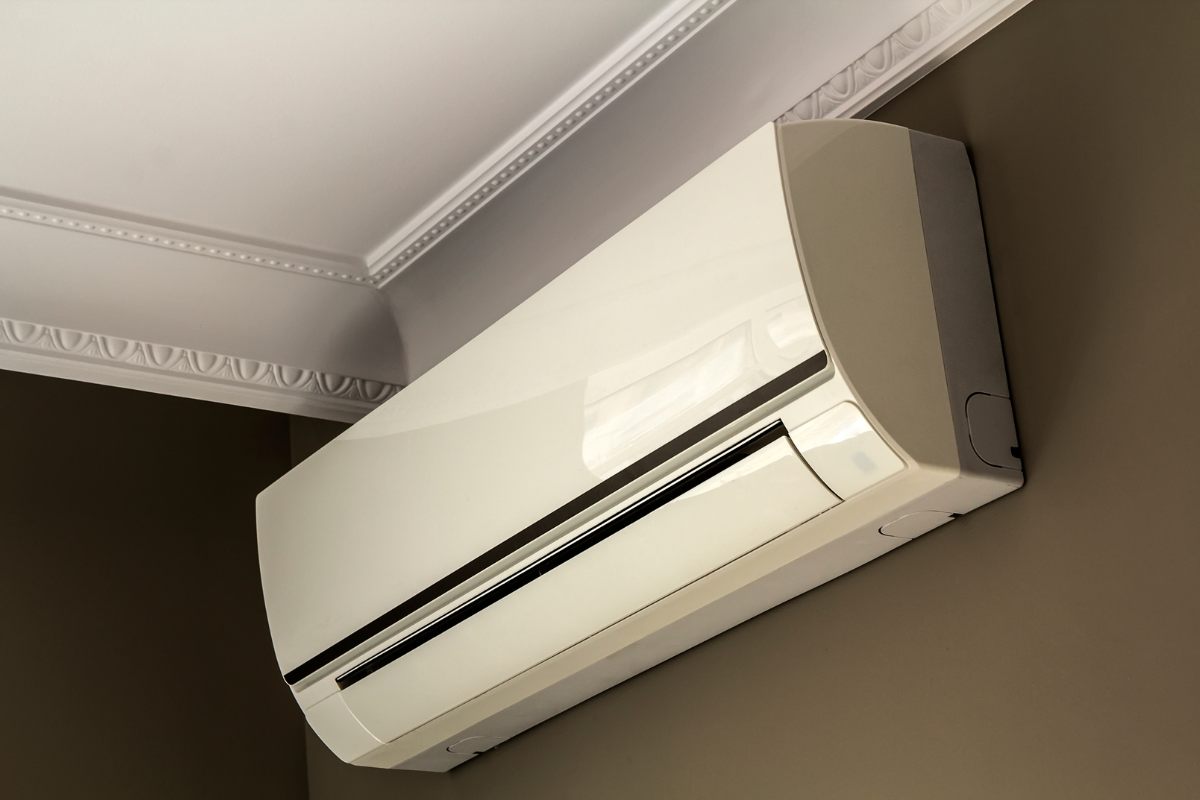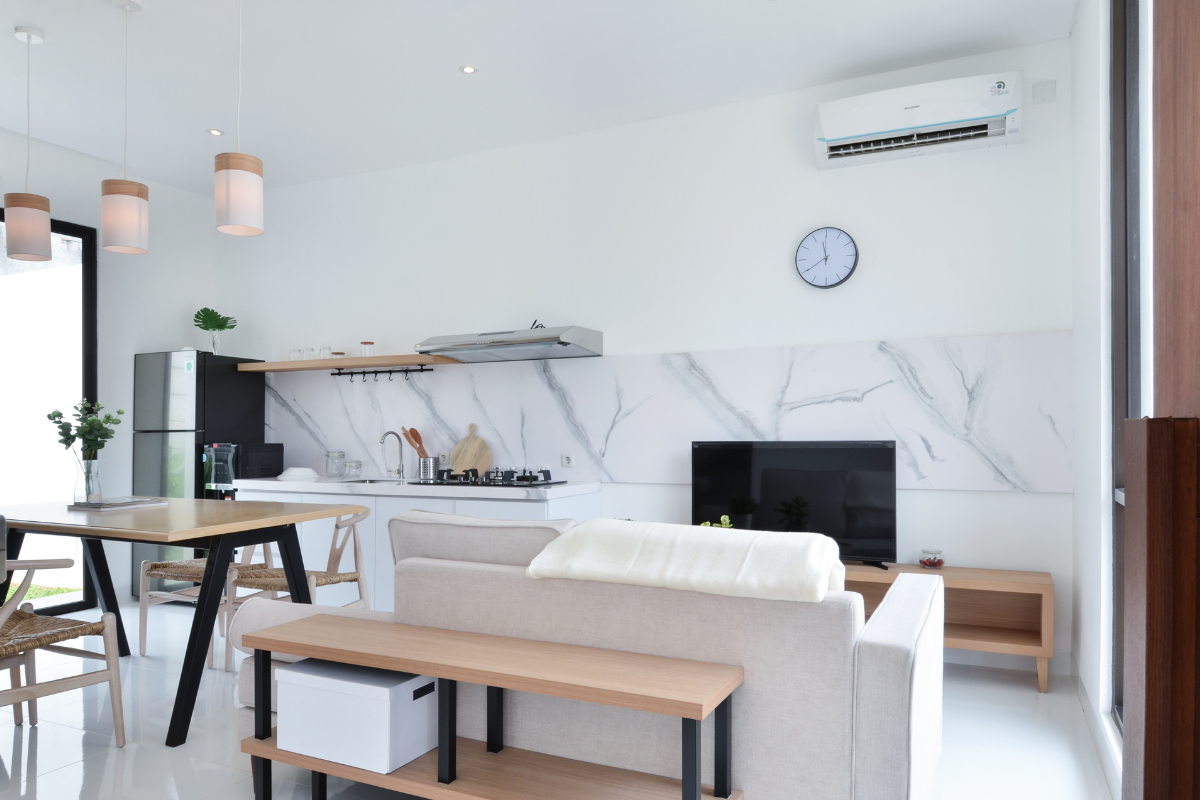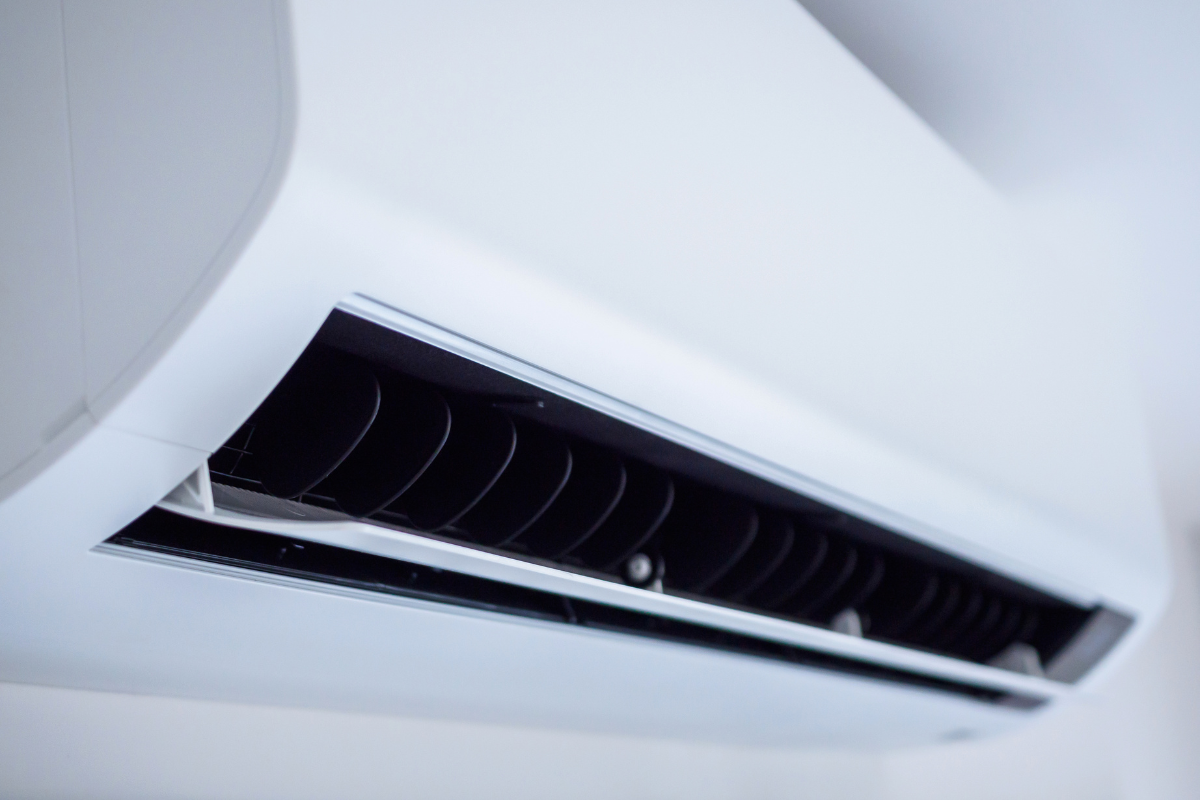
Seasonal transitions in Gold Coast often bring cooler nights, mild afternoons, and higher humidity levels. During this time, many people continue using their air conditioners exactly the same way they did in peak summer. However, commercial or residential air conditioning systems in Gold Coast are designed to operate efficiently under specific conditions. When weather patterns change, settings, airflow, and maintenance can all affect how efficiently the system performs. If adjustments are not made, the system may compensate by running longer or working harder than necessary. Over time, that strain can lead to declining performance.
Table of contents
Subtle signs your AC is working harder than it needs to
Many homeowners only notice problems when the system stops cooling entirely. In reality, the early signs are usually much smaller and easier to miss.
1. Cooling still works, but it takes longer
Your home eventually reaches the desired temperature, but it takes noticeably longer than before.
This often indicates the system is losing efficiency. Causes may include:
- Dust buildup on coils
- Restricted airflow
- Early compressor wear
- Blocked filters
The unit compensates by running longer cycles, which increases energy consumption.
2. Weak or uneven airflow
If some rooms feel comfortable while others stay warm or stuffy, airflow may not be circulating properly.
Common causes include:
- Dirty filters
- Partially blocked vents
- Fan or blower issues
- Duct leakage in larger systems
Poor airflow forces the system to work harder to maintain the same temperature across the house.
3. Electricity bills slowly increasing
One of the most overlooked warning signs is a gradual rise in electricity usage.
While seasonal weather changes can affect power bills, a noticeable increase without major changes in usage often means the air conditioner is becoming less efficient.
Older systems or poorly maintained units require more energy to produce the same cooling output.
4. The system runs more frequently
During season change, air conditioners should typically cycle on and off at moderate intervals.
If the system seems to run constantly or restart frequently, it may be compensating for internal inefficiencies.
Possible causes include:
- Dirty evaporator coils
- Thermostat calibration issues
- Refrigerant imbalance
- Aging internal components
Frequent cycling puts extra stress on compressors and fans.
5. Strange sounds or unusual odours
Air conditioners are designed to operate quietly. Any unusual noises should not be ignored.
Examples include:
- Grinding or rattling sounds
- Buzzing from electrical components
- Musty smells from vents
These can indicate worn mechanical parts, mould growth, or electrical problems that need professional attention.
When to consider a professional inspection
If your system shows several of these warning signs during a seasonal transition, it may be time to have it checked by a professional.
At DEEPCHILL, our technicians regularly inspect systems across the Gold Coast and often see the same pattern. Air conditioners that appear to be “still working” are actually under unnecessary strain due to blocked airflow, internal buildup, or worn components.
A qualified air conditioning Gold Coast technician can assess overall system efficiency, inspect internal parts such as coils and fan assemblies, and identify hidden issues before they escalate into costly repairs.
For both residential air conditioning Gold Coast homes and commercial air conditioning Gold Coast properties, preventative servicing is one of the most effective ways to keep systems running smoothly across changing seasons.