On these hot and humid days in Gold Coast, most of us turn on AC without thinking twice. It’s just part of daily life, especially in warm places. Refrigerant poisoning is rare, but when it happens, it can be serious and even life-threatening. Knowing the signs early can make all the difference, explore with DEEPCHILL, your trusted residential and commercial air conditioning Gold Coast service!
Table of contents
Understanding refrigerant poisoning
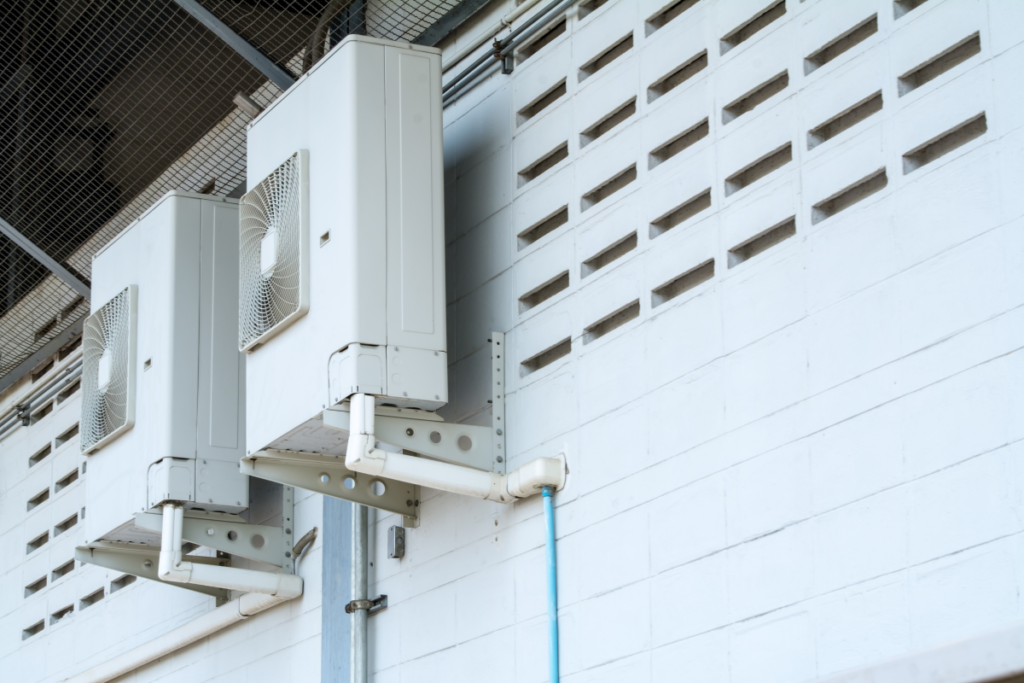
Refrigerant poisoning happens when someone inhales, ingests or comes into direct contact with refrigerant chemicals used in air conditioners and refrigerators. These chemicals help move heat out of the air to keep spaces cool.
Refrigerant is usually stored safely as a liquid or gas inside sealed systems. But sometimes, leaks, spills can expose people to harmful levels. This condition is also known as coolant poisoning, Freon poisoning,…
Freon itself refers to a group of chemicals made from elements like fluorine, carbon, hydrogen, chlorine, and bromine. While small accidental exposure may not always cause harm, any inhalation or ingestion should be treated as an emergency.
There are two main types:
- Acute exposure happens suddenly, often from a leak caused by a malfunctioning system.
- Chronic exposure develops slowly after repeated contact over time, which is more common for people who work with cooling equipment every day.
Signs your body may be reacting with refrigerant poisoning
The symptoms vary depending on how much you were exposed to, how long the exposure lasted, and whether the refrigerant was inhaled, swallowed, or touched your skin.
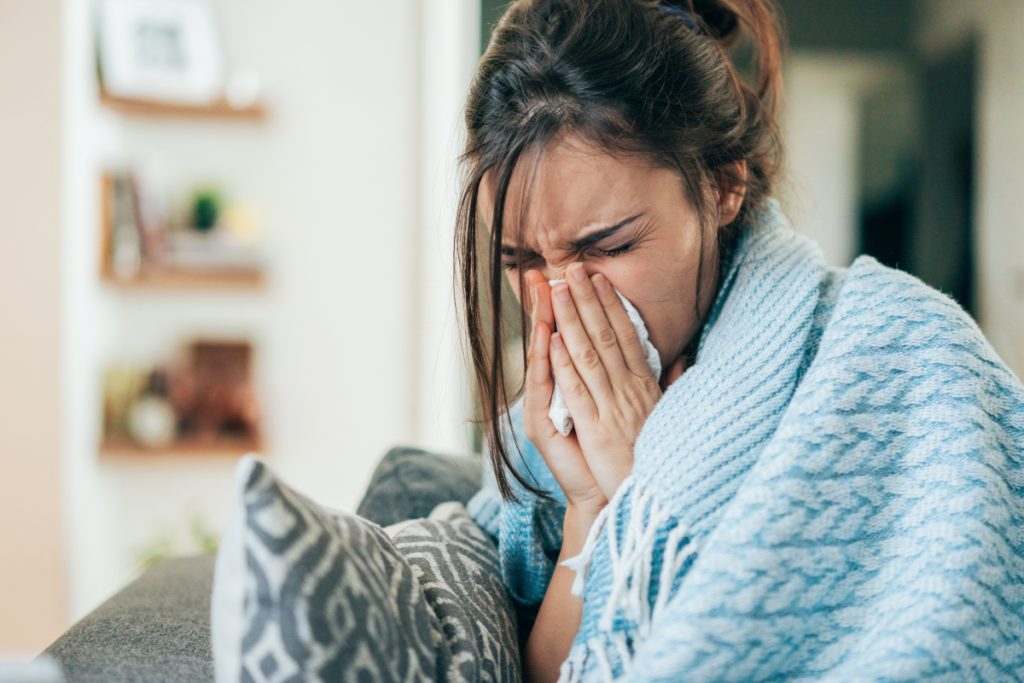
Mild or early symptoms may include throat or sinus swelling, headaches, dizziness, nausea, coughing or skin irritation. Some people feel a burning sensation in their eyes, nose, ears, lips, or tongue.
More serious symptoms include difficulty breathing, severe pain in the nose or throat, vision loss, irregular heartbeat, fainting, vomiting or diarrhoea, blood in vomit or stool, and severe stomach pain. Direct skin contact can cause burns or holes in the skin.

How refrigerant poisoning is treated?
If you suspect refrigerant poisoning, the first step is to move away from the area immediately and get fresh air. Then call emergency services or poison control right away.
Medical teams will monitor important signs such as breathing, pulse, temperature and blood pressure. This matters because sudden drops can signal that the condition is getting worse.
Treatment may include oxygen or a breathing tube to increase oxygen levels, medications to manage symptoms, or washing the skin to remove chemical residue. In severe cases, doctors may use tubes to remove poison from the stomach or perform surgery on burned skin. Delaying treatment is dangerous. Without quick care, damage can worsen within hours and may become fatal within days.

Simple ways to reduce the risk with DEEPCHILL
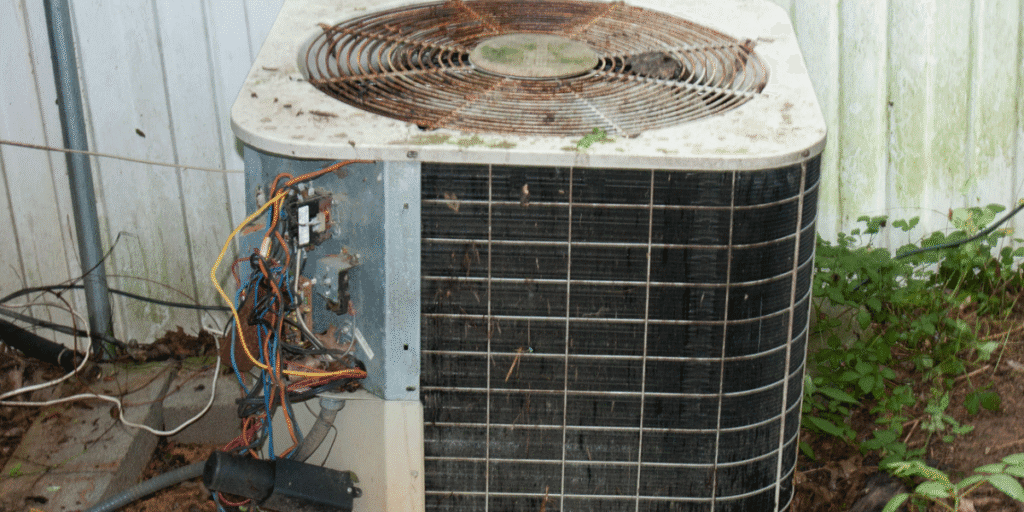
Preventing refrigerant poisoning starts with awareness and proper maintenance. Regularly check commercial air conditioning Gold Coast and refrigerators for leaks or unusual smells. If something feels off, stop using the system and call a professional.
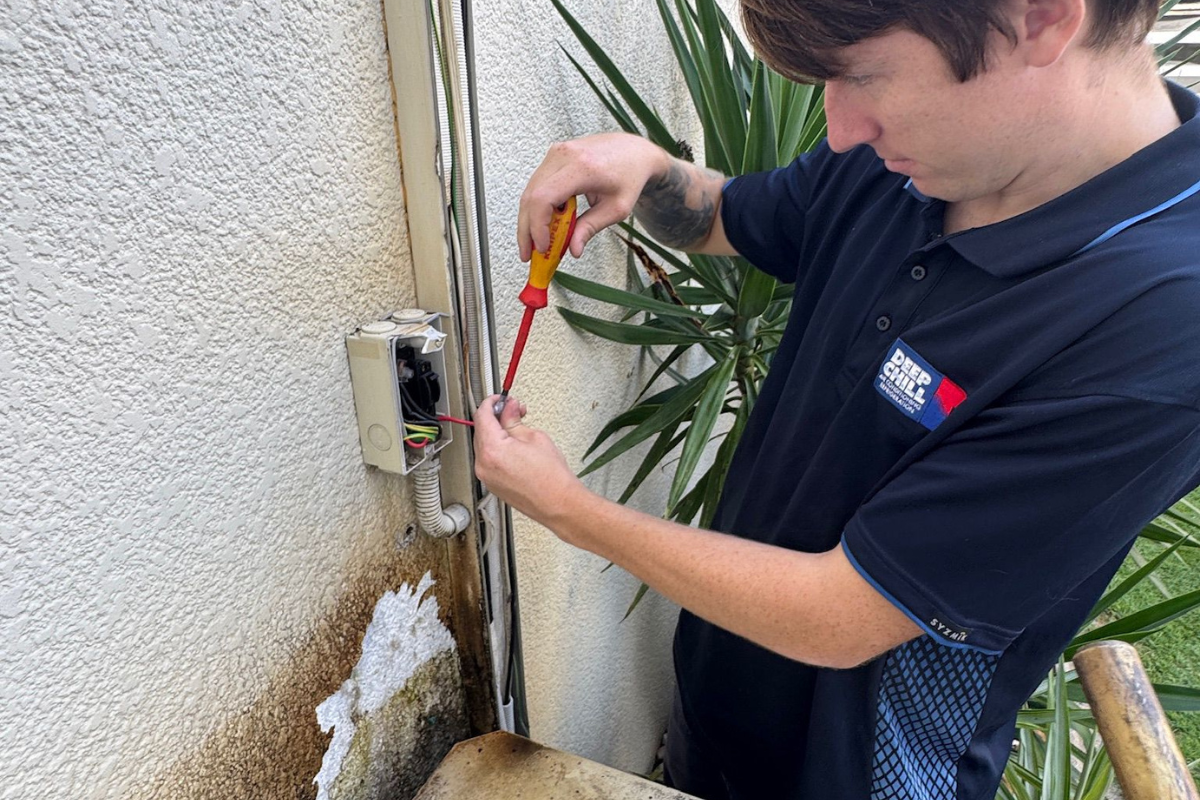
Always hire licensed technicians for repairs or refrigerant changes, whether it’s for residential air conditioning Gold Coast homes or commercial air conditioning Gold Coast buildings. Professionals use leak detectors, safety gear, and proper ventilation to reduce risk.
For households using air conditioning Gold Coast systems year-round, routine servicing helps catch small issues before they become dangerous. Refrigerant containers should also be stored securely and kept away from children.
Most people will never experience refrigerant poisoning, but when it happens, it can escalate quickly. Staying informed and properly maintaining your residential air conditioning Gold Coast system is one of the simplest ways to protect your health and your space. Call DEEPCHILL now to get the most useful preventative maintenance service!